
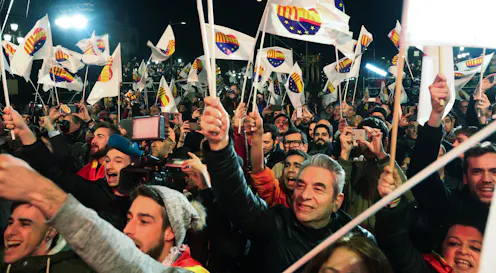
The single biggest party was anti-independence but together, the pro-independence bloc is stronger.
- Lecturer in Spanish and European Studies, University of Bath
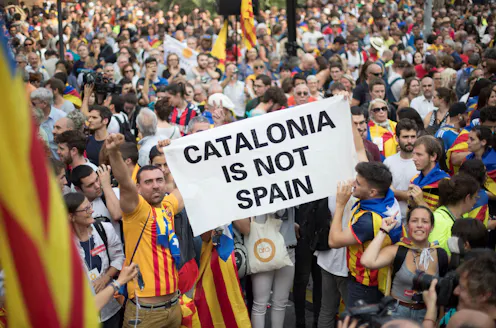
An ousted leader, a divided electorate and the risk of further violence pile on the tension ahead of the December vote.
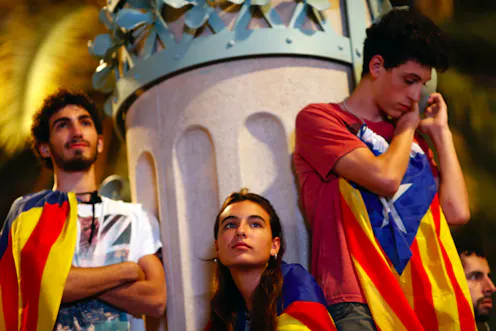
After threatening to declare independence, Carles Puigdemont has stepped back from the brink. But that has caused confusion.
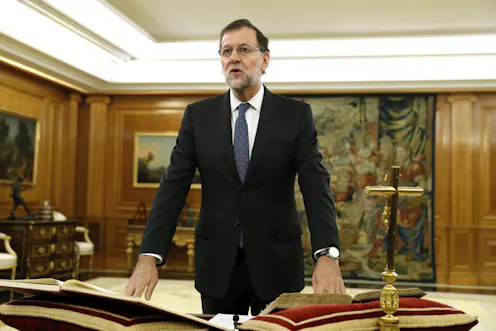
After two elections and months of deadlock, a minority administration has been agreed. But the situation is far from stable.
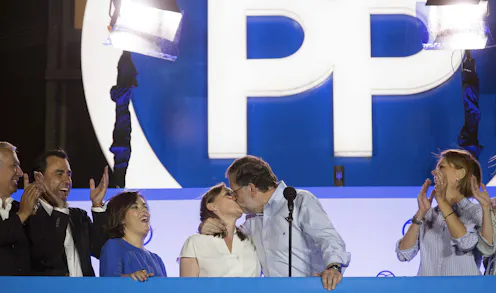
Spain couldn’t form a government after its last election, so it had to try again. And it looks like the radicals are shut out.
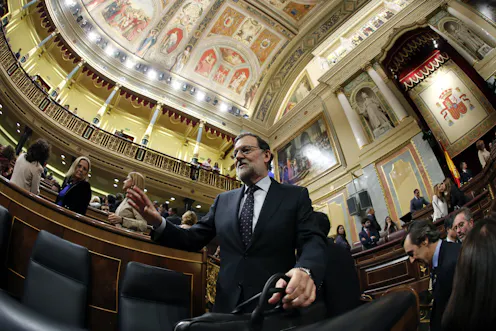
Parliamentarians have again failed to form a coalition, nearly three months after the election.
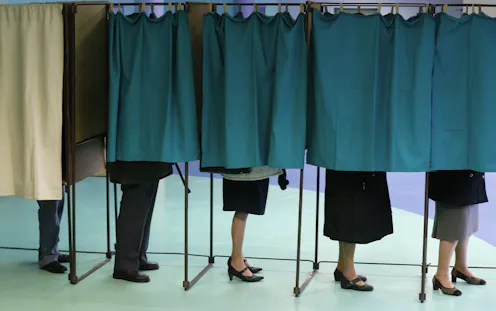
For better or for worse, various countries around the world charted a new course last year. What lies ahead for 2016?
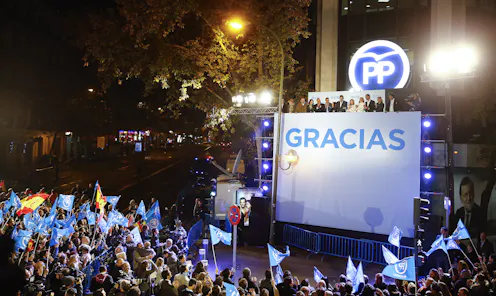
Spain’s two-party system is now consigned to the history books – but forming a functional government will be anything but easy.

Catalonia’s pro-independence parties now have the chance to assemble a parliamentary majority, but they’ll have to overcome their own differences first.
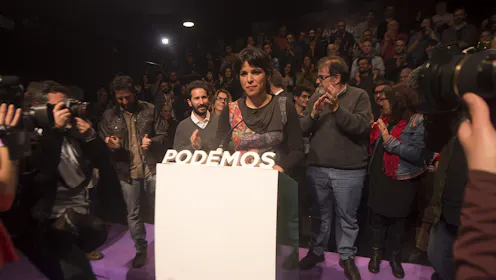
Will Spain’s general election really be an anti-austerity wave – or something much more messy?
Contact Paul for
- General
- Media request
- Speaking request
- Consulting / Advising
- Research collaboration
- Research supervision
- Location: UK
- Article Feed
- Joined
