
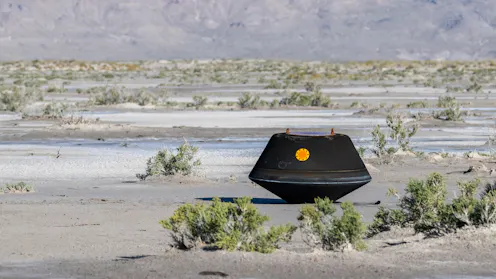
Missions that return asteroid samples bring home more than just very expensive dust. These samples can provide valuable insights for scientists and commercial interests.
- Associate Professor of Earth, Environmental, and Planetary Sciences, Washington University in St. Louis
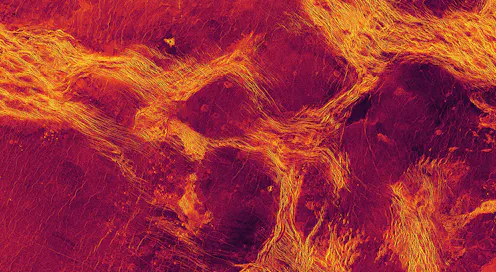
Researchers used decades-old radar data and found that some low-lying areas of Venus’ crust are moving and jostling. This evidence is some of the strongest yet of tectonic activity on Venus.
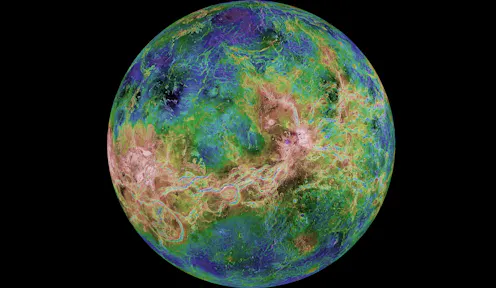
Two new NASA missions – VERITAS and DAVINCI+ – are headed to Venus. The missions will use radar and a probe to learn about Earth’s hard-to-study and potentially prophetic neighbor.
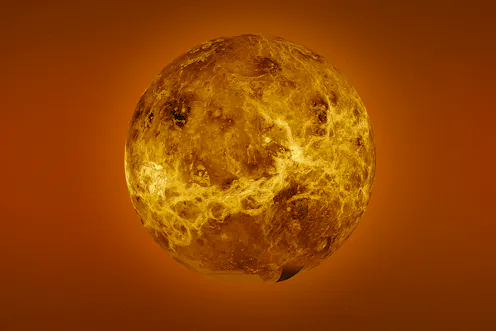
News that Venus may harbor life has swept the globe. So how do we find out for sure? A planetary scientist explains what’s next.
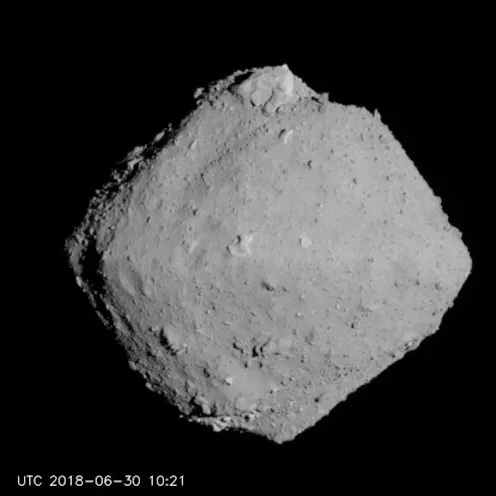
It is a pretty spectacular achievement to not only rendezvous with an asteroid as it is whizzing around the Sun but also collect a sample. Here’s what the researchers learned.
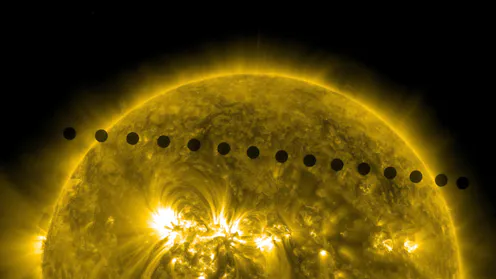
El planeta vecino es caliente y ácido, y su superficie está oculta por gruesas nubes de ácido sulfúrico. Quizá por estas dificultades, no se ha beneficiado de la atención que han recibido Marte y la Luna. Pero Venus puede ofrecer información sobre el futuro de la Tierra.
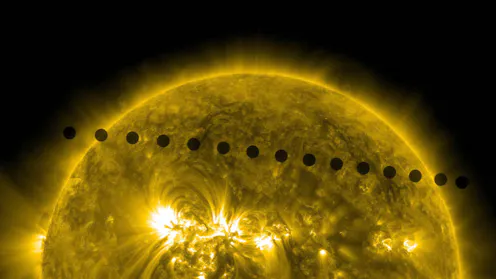
This hot, acidic neighbor with its surface veiled in thick clouds hasn’t benefited from the attention showered on Mars and the Moon. But Venus may offer insights into the fate of the Earth.

Scientists are figuring out how to reduce the cost of space travel – to and from the Moon and possibly to Mars. One approach is to mine the Moon for resources necessary for interplanetary travel.
Contact Paul for
- General
- Media request
- Speaking request
- Consulting / Advising
- Research collaboration
- Research supervision
- Location: St. Louis, MO
- Website
- BlueSky: @theplanetaryguy.bsky.social
- Article Feed
- ORCID
- Joined
