
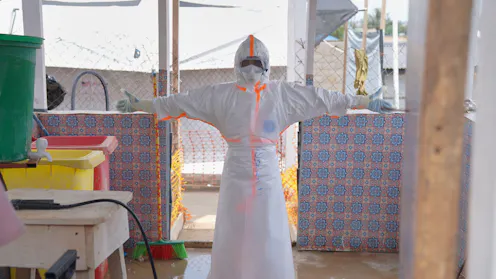
An Ebola vaccine designed for a different species is now being trialled against the outbreak in the DRC and Uganda.
- Professor of Medicine, University of East Anglia

A large trial found no evidence that Hepa air filters reduce respiratory infections in care homes, challenging assumptions about their role in infection control.
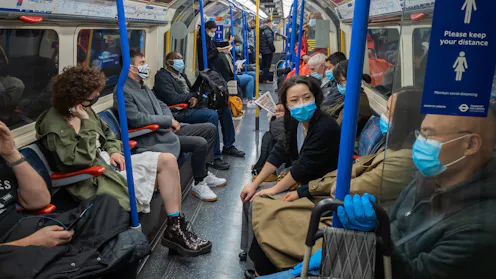
NHS leaders are encouraging people with flu symptoms to mask up in public. Does the science support this advice?
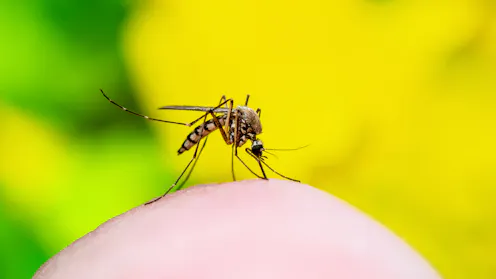
Chikungunya is a viral infection spread by the Aedes mosquito.
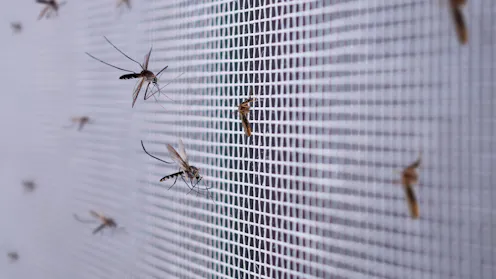
Climate change may be opening the door to mosquito-borne viruses in the UK.
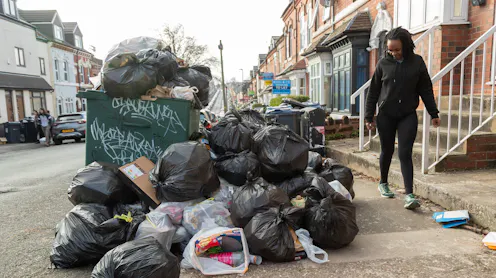
Garbage continues to pile up on the streets of Birmingham. An expert in communicable disease explains the risks.
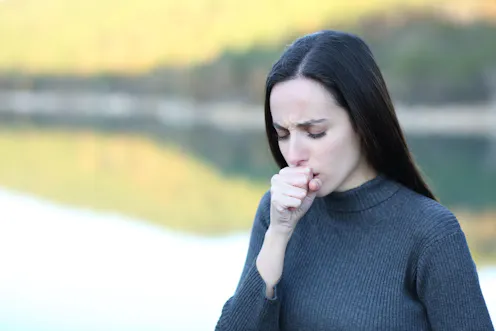
An outbreak of HMPV has caused panic in some quarters. Here’s what you need to know about the seasonal virus.

Claims that COVID vaccines may have helped fuel a rise in excess deaths have appeared in several major news outlets. An expert examines the evidence.

Antibiotics aren’t very effective against it, but we do have a vaccine.

Air purifiers were meant to save us from COVID. A new systematic review wonders where the evidence for that is.
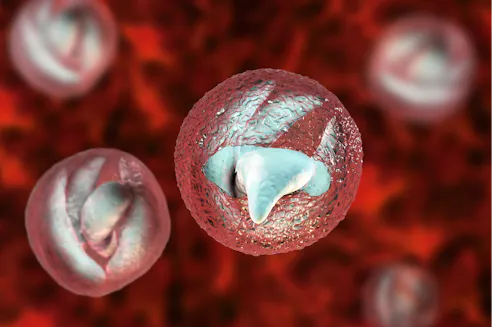
Infections from the Cryptosporidium parasite are five times higher than expected for this time of year.
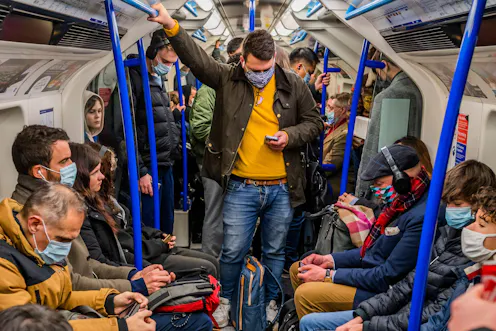
ONS, Zoe app, Google Trends … there were many ways to keep an eye on COVID cases during the pandemic. Here’s how they fared.
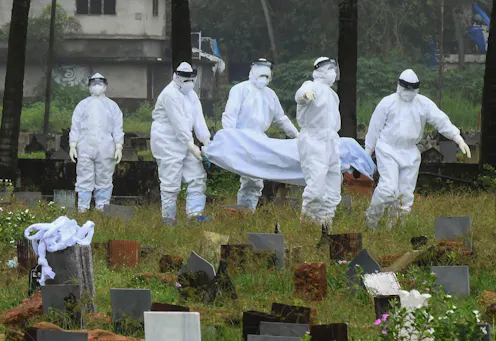
Sebagian besar infeksi diperkirakan berasal dari kontak dengan hewan yang terinfeksi, baik kelelawar buah itu sendiri atau dari hewan perantara seperti babi.
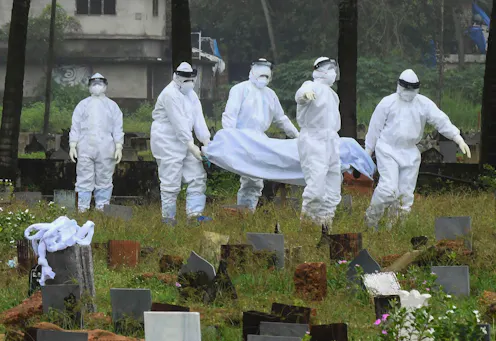
More than half the people who become infected with the Nipah virus die.
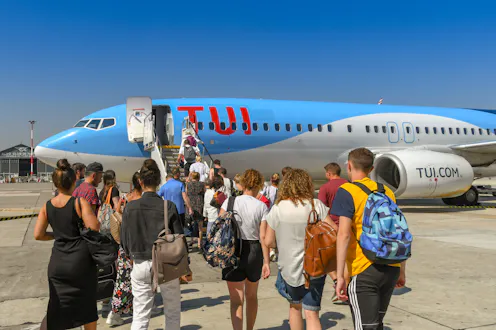
The current increase in infections is not any surprise to disease scientists – nor is it anything to be too concerned about.
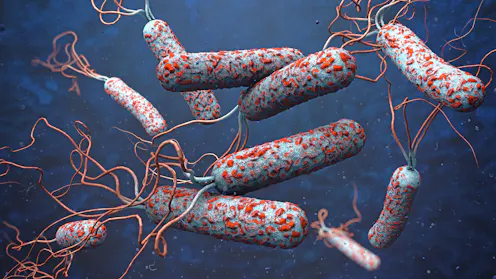
According to the WHO, the global cholera situation has deteriorated.

The ONS’ Coronavirus Infection Survey has ceased after three years. Two experts explain why it was a uniquely useful source of data.

La Chine connaît une vague de Covid sans précédent qui coïncide avec sa levée des restrictions. Mais la fin de la politique zéro Covid n’explique pas tout : le point sur les données complémentaires.
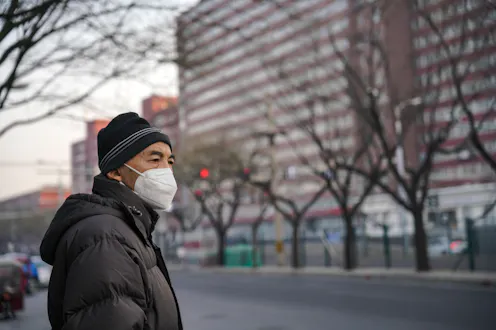
China pursued COVID zero for too long and is now paying the price. But the rest of the world doesn’t have too much to worry about.
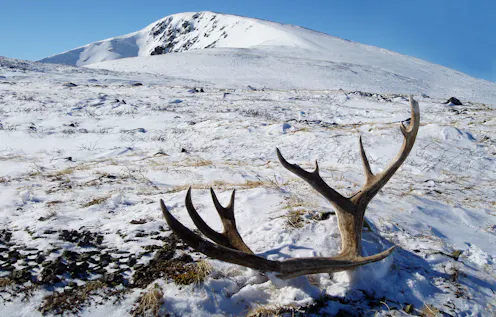
Un virus a été réveillé en laboratoire après 50 000 ans passés dans le permafrost sibérien. Un phénomène qui peut se produire dans la nature suite au réchauffement climatique. Qu’en sait la science ?
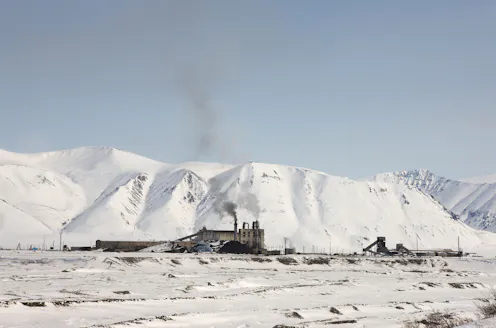
A Pandoravirus has been revived after remaining dormant in the Siberian permafrost for nearly 50,000 years.
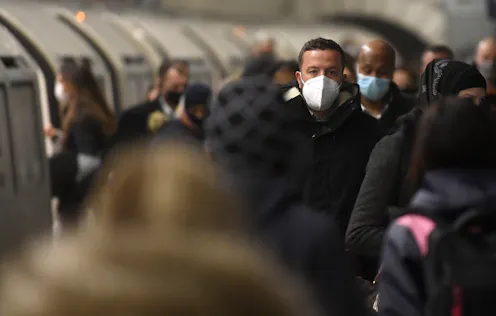
This wave is different from previous COVID waves, in that it’s not driven by a new variant.

Only a portion of excess deaths had COVID mentioned on the death certificate. But the pandemic could be affecting death rates indirectly.

The move follows recent detections of poliovirus in London’s wastewater.

Cases may be stabilising but this could be the dip before a new wave.
Contact Paul for
- General
- Media request
- Speaking request
- Consulting / Advising
- Research collaboration
- Research supervision
- Website
- Article Feed
- ORCID
- Joined
