
What do we know so far about this promising form of treatment and how it might help people with a range of neurological conditions? And is it living up to its promise for people with depression?
- Director School of Medicine and Psychology, Australian National University
In this week’s federal budget we heard how this non-drug treatment for depression will be available on Medicare for people who’ve not responded to antidepressants.
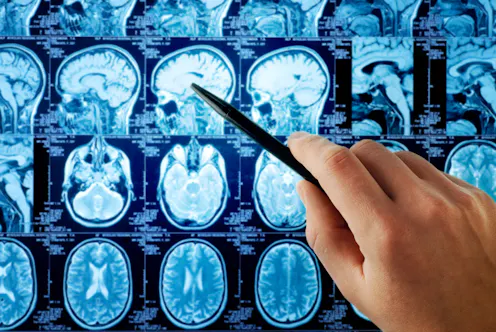
Brain damage is caused by persistent depression rather than being a predisposing factor for it, researchers have finally concluded after decades of unconfirmed hypothesising.
Welcome to Matters of the Mind, a series which examines the clinician’s bible for diagnosing mental disorders, the DSM, and the controversy surrounding the forthcoming fifth edition. The Diagnostic and…
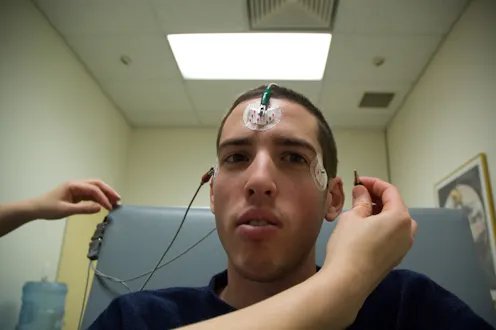
The use of weak electrical currents to stimulate the brain is a safe treatment for depression and might even improve attention and reduce pain elsewhere in the body, an Australian study has found. Medical…

A quarter of the risk for developing schizophrenia can be traced to genetic variations that are common in the general population, a study by Queensland researchers has found. A new method of genetic analysis…
Electroconvulsive therapy (ECT) has come a long way since earlier, darker days when it was known as electric shock therapy and conjured images from One Flew Over the Cukoo’s Nest. But just when it seems…
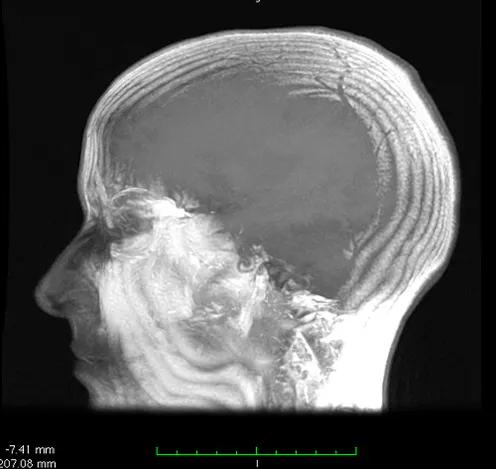
Psychosurgery’s troubled history of lobotomies and unregulated procedures has left modern psychiatry with strict regulations. But now, legislation designed to protect patients is actually denying those…
Contact Paul for
- General
- Media request
- Speaking request
- Consulting / Advising
- Research collaboration
- Research supervision
- Location: Melbourne
- Website
- X (formerly Twitter): @PBFitzgerald
- Article Feed
- ORCID
- Joined
