

These changes to how much Americans and US corporations give, if these projections prove accurate, would amount to about 1% of all donations made in 2024.
- Glenn Family Chair Emeritus of Economics and Philanthropic Studies, Indiana University
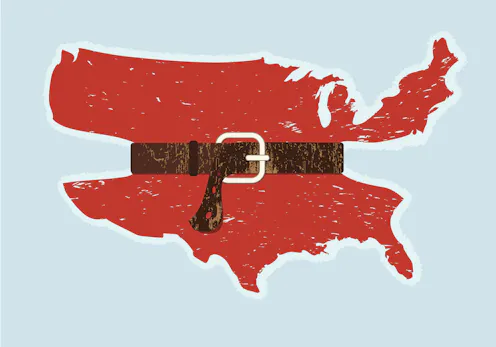
Giving receded as many Americans saw their purchasing power decline, straining household budgets.
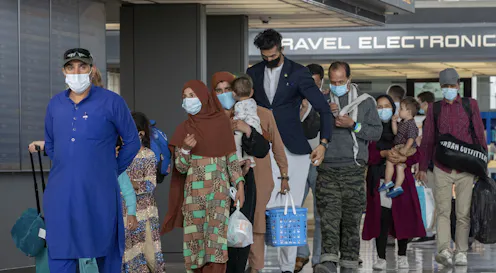
Needs will continue in Haiti and New Orleans – and for Afghan refugees – long past the point when most donors will have found new priorities.
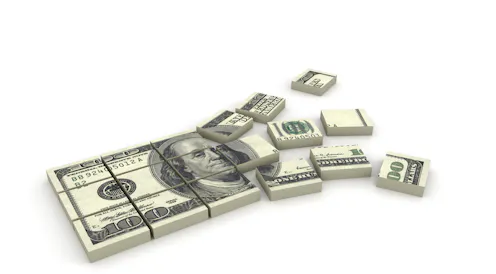
Giving $100 to a favorite charity costs less than that for the roughly 8.5% of Americans who use this tax break.

In past recessions, donors have tightened their pursestrings even as the need has grown. But two scholars explain why, at least for foundations, there’s room for more generosity in tough times.

Donations to relief efforts tend to dry up within a few months.

Philanthropists give for many different reasons, but bequests could decline by about $7 billion a year.

The lost incentives to give are likely to make a bigger difference than the small uptick in economic growth expected from the new law.

Giving could decline by $21 billion or more per year.
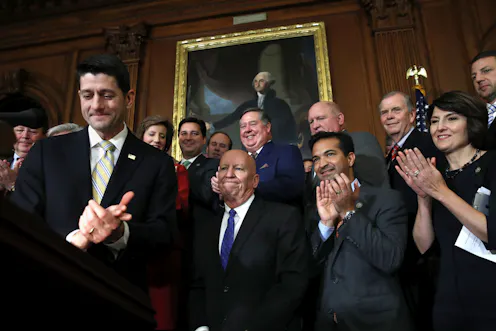
More than US$20 billion per year in giving is potentially at stake.

Taxing inherited wealth doesn’t just generate revenue for the government. It encourages philanthropy.

Donations to relief efforts from corporations and celebrities may get the most attention, but they are exceptions.
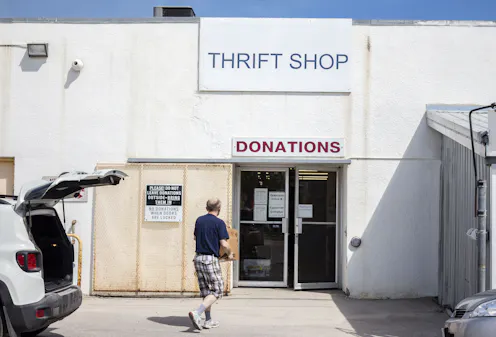
The tax changes Trump and GOP lawmakers propose would reduce charitable giving, research suggests. But letting everyone use a tax break mostly enjoyed by the rich might prevent that.
Contact Patrick for
- General
- Media request
- Speaking request
- Consulting / Advising
- Research collaboration
- Research supervision
- Location: Indianapolis, Indiana, U.S.
- Website
- Article Feed
- Joined
