
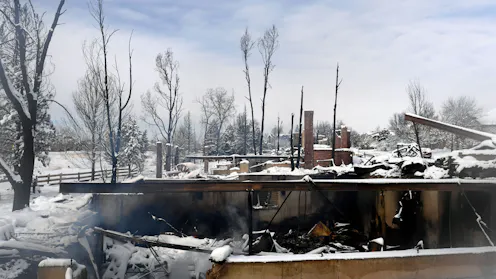
If fossil fuel companies misled the public about the dangers of their products, should they be required to pay for damages from climate-related disasters?
- Professor of Law Emeritus, Vermont Law & Graduate School
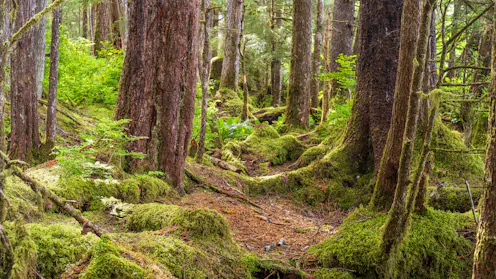
The courts have rejected similar arguments before. Meanwhile, maintenance costs are rising, and the Forest Service’s own data contradicts the administration’s wildfire claims.
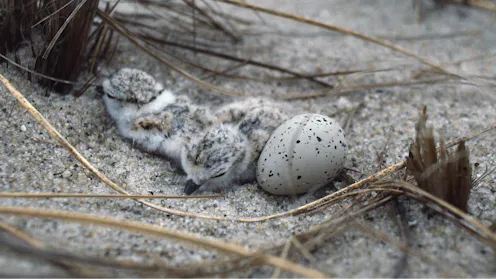
If Congress didn’t believe habitat destruction and degradation constitute ‘harm’ under the statute, why would it require permits and plans to offset habitat loss?
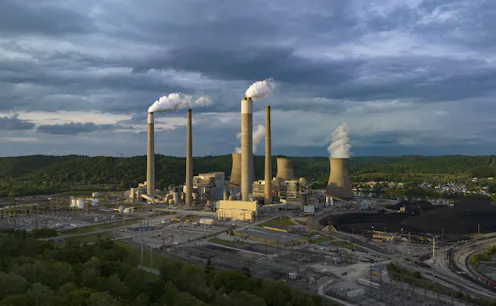
The Trump administration’s goal is to roll back rules limiting planet-warming greenhouse gas emissions from power plants, vehicles and oil and gas production, but it could backfire for industry.

As concern about plastic pollution mounts, the federal government is revising its standards for calling products recyclable. A recent fine against Keurig could be a sign of things to come.
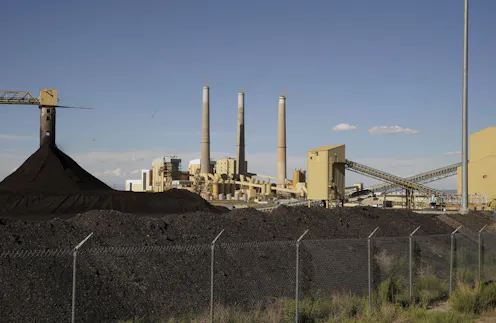
Lawsuits are inevitable, but an environmental lawyer explains why the EPA’s new power plant regulations are on solid ground.

Honolulu, Baltimore, Charleston, S.C. and several other cities harmed by rising seas and extreme weather are suing the oil industry. At stake is who pays for the staggering costs of climate change.
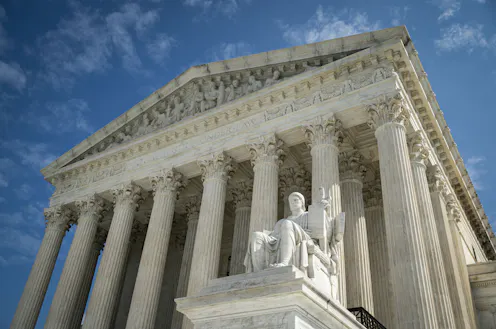
There’s some confusion around what the new climate law allows the Environmental Protection Agency to do. A law professor explains what’s changing.
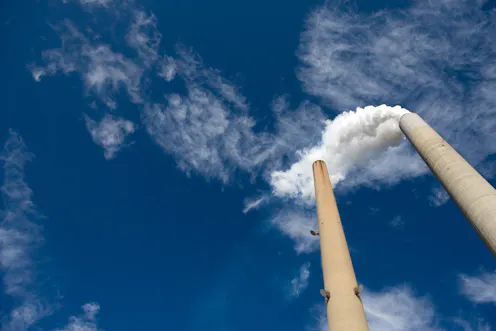
In a 6-3 ruling, the Supreme Court held that an Obama administration plan to regulate carbon emissions from power plants exceeded the power that Congress gave to the Environmental Protection Agency.
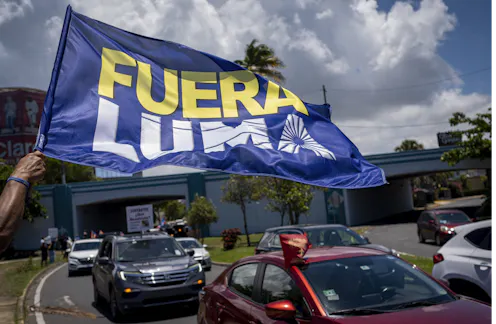
Four years after Hurricane Maria wreaked havoc on Puerto Rico, federal money to rebuild its electricity system is finally about to flow. But it may not deliver what islanders want.
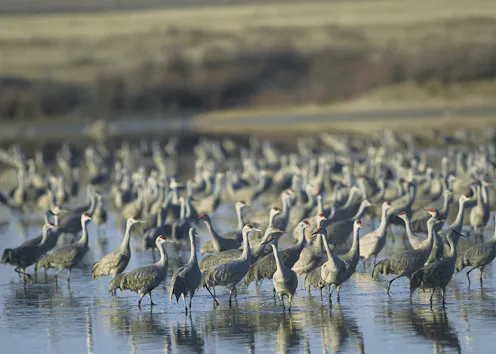
A 2006 Supreme Court ruling created widespread confusion about which wetlands and other waters are federally protected. The Trump administration’s latest action isn’t likely to clear things up.
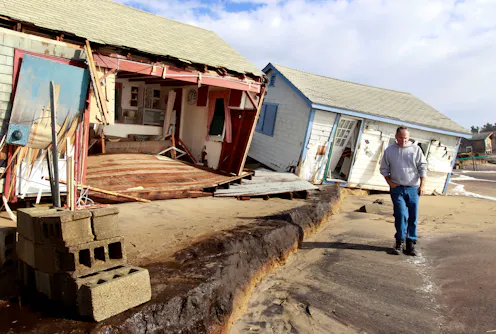
There are precedents for trying to make the industries responsible for climate change foot the bill for adapting to a changed climate.
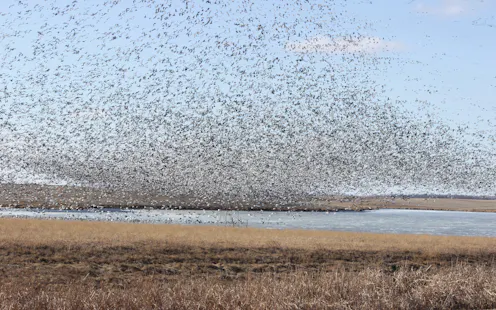
The Clean Water Rule spells out which streams, wetlands and other water bodies receive federal protection. The Trump administration wants to repeal it, but will face high hurdles in court.
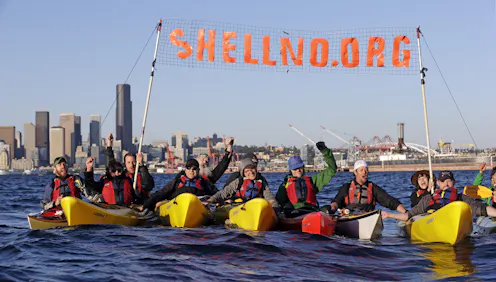
President Obama used an obscure 1953 law to bar offshore drilling in Arctic Alaska and along the Atlantic coast. Republicans and energy companies want to reverse the ban, but it will not be easy.

In its first environmental case post-Scalia, the Supreme Court rebuffs farm and ranching interests that opposed the EPA’s multistate plan to restore Chesapeake Bay using the Clean Water Act.

A look at Scalia’s decidedly negative legacy on environment reveals how important the next Supreme Court will be on environmental questions, including the EPA Clean Power Plan.
Contact Patrick for
- General
- Media request
- Speaking request
- Consulting / Advising
- Research collaboration
- Research supervision
- Location: South Royalton, Vermont, U.S.
- Website
- Article Feed
- Joined
