
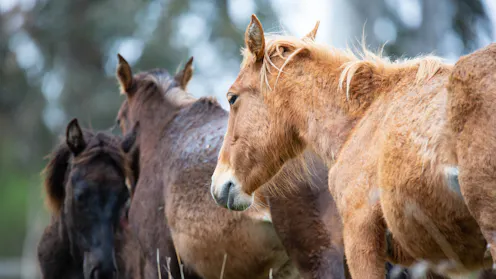
Feral horses can inflict major ecological damage, as two experts explain.
- Postdoctoral Research Fellow in Conservation and Wildlife Management, University of Sydney
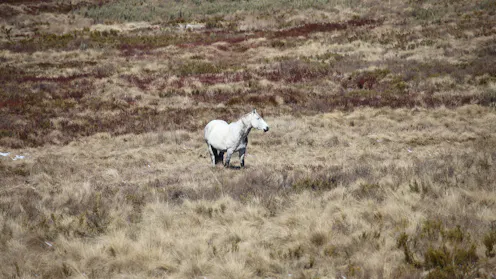
A mild summer led to breeding. And a dry winter could concentrate feral horses around fragile alpine waterways.
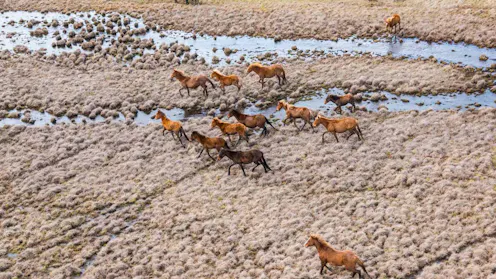
Avec la campagne d’abattage des chevaux sauvages, les zones alpines fragiles ne sont plus piétinées par des sabots durs. Mais les paysages de Kosciuszko mettront des décennies à se rétablir.
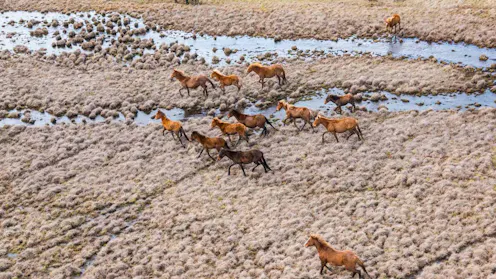
With feral horses gone, fragile alpine areas are no longer being trampled by hard hooves. But Kosciuszko’s landscapes will take decades to recover.
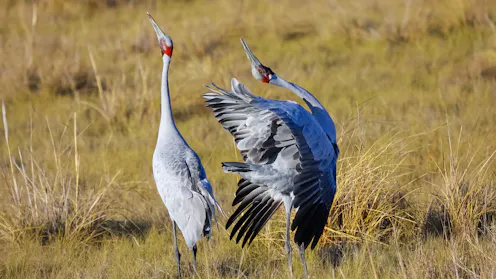
It’s entirely possible to see shy mountain pygmy-possums, alpine dingoes or furry cuscus with your own eyes – if you know where to go and how to look.
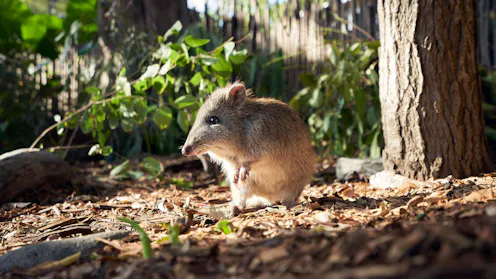
Reintroducing endangered species into the wild isn’t as straightforward as it seems. Sometimes it can go wildly wrong.
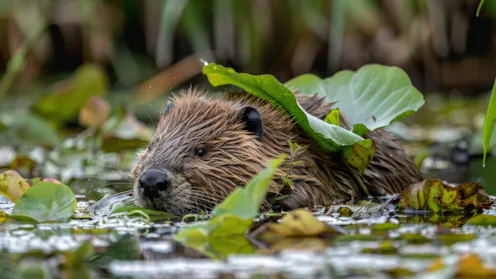
Bringing nature back to our cities doesn’t just mean plants and birds. We can bring native animals back too.
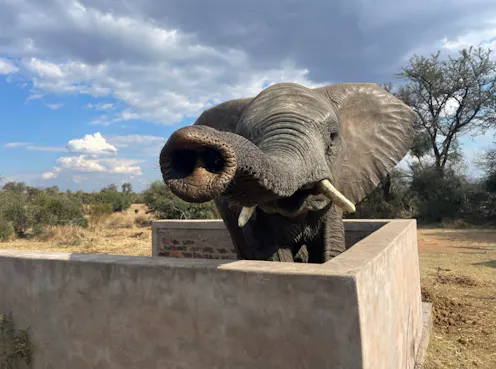
African savannah elephant numbers are surging. But for farmers in elephant territory, that can spell disaster. To solve human-elephant conflict, we might need to use smell.
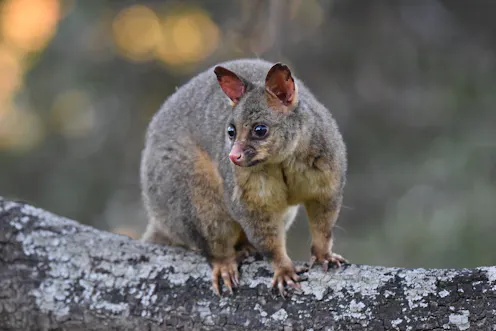
In Australia, people tend to think carnivores lead the clean-up crew after an animal dies. But brushtail possums – thought to be plant-eaters – also eat carcasses.
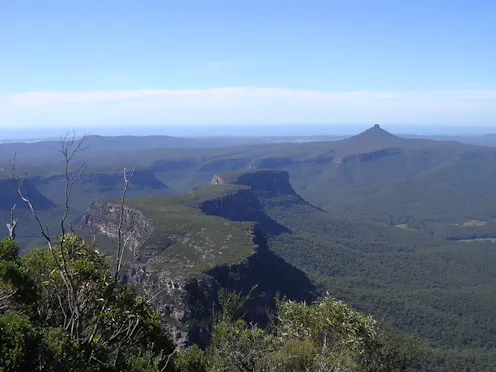
Rewilding is helping to save species from the brink of extinction. But reintroducing species to islands or fenced havens have limitations. What if we could use flat topped mesas as well?
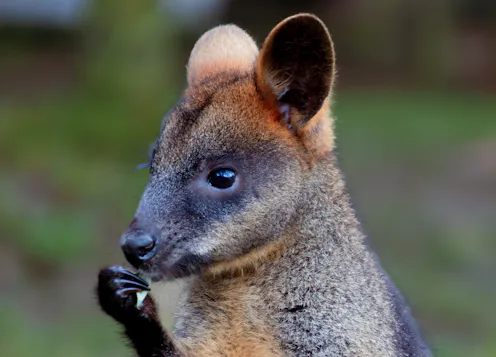
Each year, hungry plant-eating animals do billions of dollars of damage to valuable plants. We need prevention methods that don’t involve killing them.
Contact Patrick for
- General
- Media request
- Speaking request
- Consulting / Advising
- Research collaboration
- Research supervision
- Location: Sydney, Australia
- Article Feed
- ORCID
- Joined
