
Primeiro podcast produzido pelo The Conversation Brasil terá cinco episódios semanais trazendo entrevistas com especialistas dos dois países sobre os esforços da ciência, da tecnologia e do saber ancestral dos povos originários para evitar o ponto de não retorno do clima
- Professor of Geography, School of Law and Society, University of the Sunshine Coast
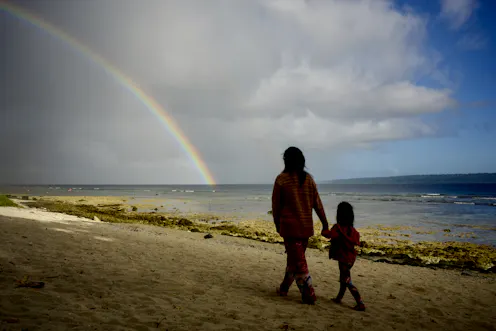
We reviewed evidence on traditional knowledge in the Pacific for coping with climate change, and found much of it was scientifically plausible.

Many ‘myths’ are authentic memories of human pasts, told by people who passed down precise accounts of their history.
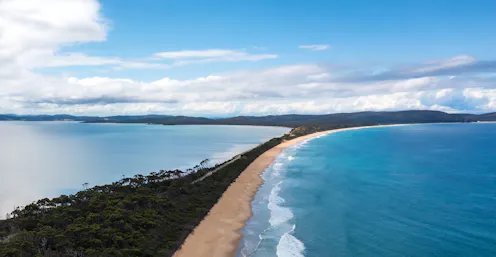
Ancient stories of the sea and the sky date back to the end of the last ice age.
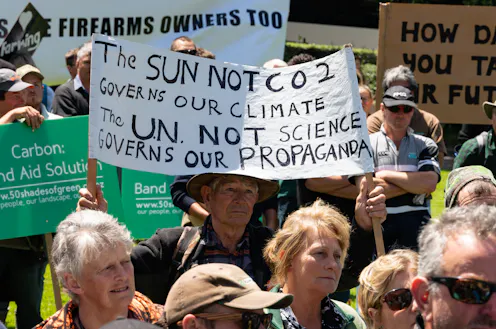
The findings of a new study suggest mistrust in climate science and uncritical faith in “alternative science” lead people to reject consensus science and generate alternative explanations.

From Fiji to France to Central Australia, stories abound of lands lost beneath the sea. Some are likely founded on millennia-old memories of coastal submergence, offering us clues today.
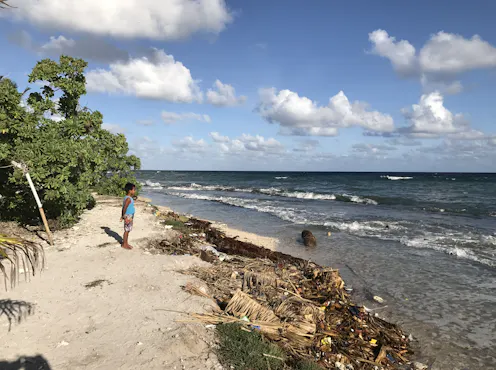
The president of Kiribati plans to raise its low-lying islands to fight, not flee, sea level rise. Here’s why it’s an expression of human dignity.

Western solutions to Pacific Island issues often end in failure. These countries must build their autonomy to survive climate change.
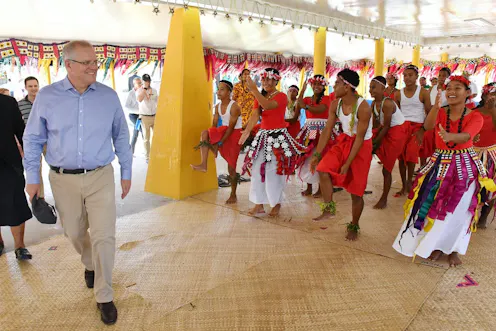
Pacific communities have always been resilient, surviving on islands in the middle of oceans for more than 3,000 years. But climate change is an unprecedented challenge.
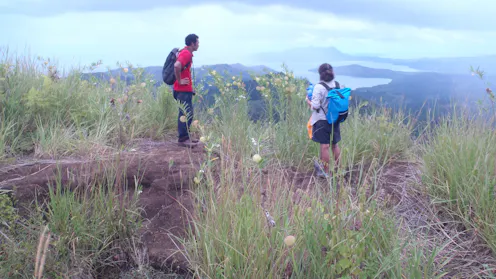
New research casts light on the pre-colonial mountain settlements in Fiji.
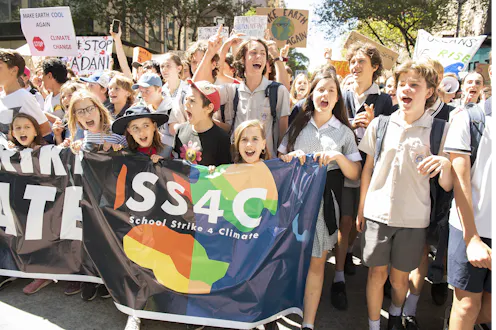
Young people have reason to protest today and call for action on climate change. But they risk anxiety if they feel they are not heard and nothing is done.
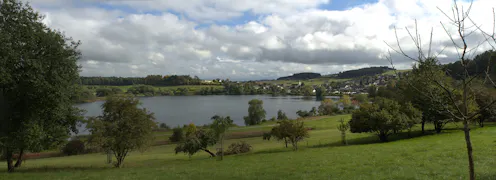
A maar is a volcanic crater, often filled with water. New research highlights the similarities between oral stories around the world that shed light on the formation of these craters.
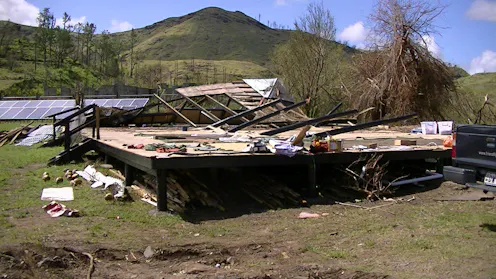
Relocating communities to safer, less exposed areas can help people manage climate hazards, but it’s not a viable solution for everyone.
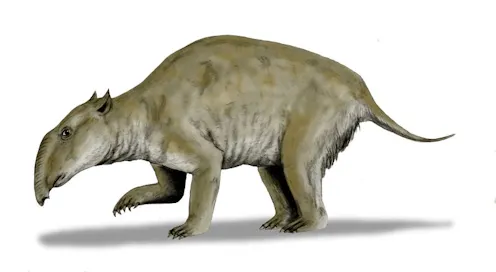
It is plausible to suppose that human memories of long-extinct creatures today underpin many stories we have generally regarded as fiction.
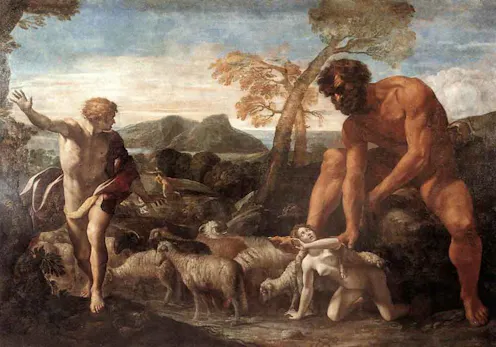
Tales of giants can be found around the world - in Wales, in Australia, and the Pacific Islands. They helped people explain the sometimes cataclysmic changes to the environment they saw around them.
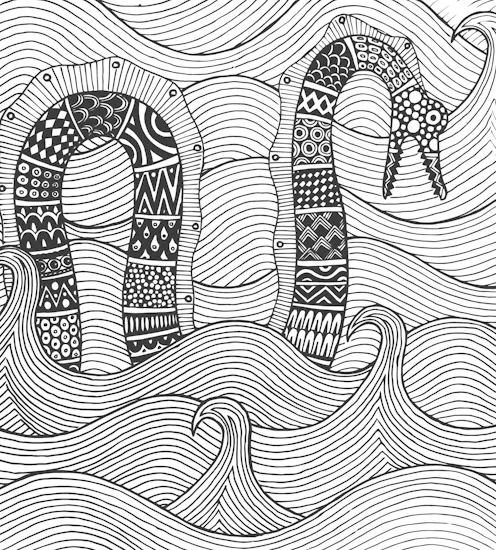
Essays On Air: Monsters in my closet - how a geographer began mining myths
So you think the Loch Ness Monster never existed? Think again. Traditional myths from our ancestors might actually reveal important clues about the geological history of the world.
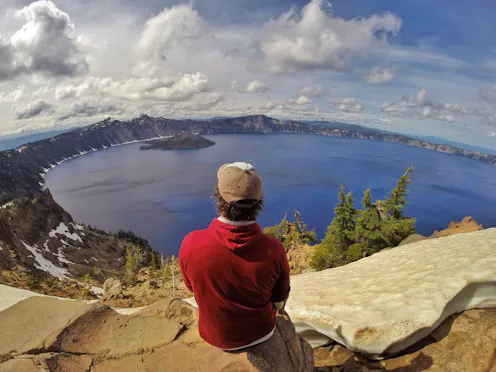
Old stories from around the world tell of drowned islands, volcanic eruptions and upheavals to the land around them. Increasingly we are realising these tales preserve actual memory, often from thousands of years ago.
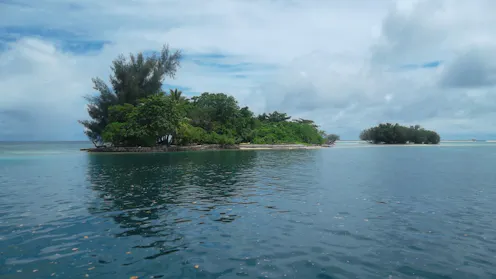
In 1850, the Micronesian island of Nahlapenlohd was the scene of Pohnpei state’s first battle involving cannons and muskets. Less than two centuries later, it has sunk beneath the waves.

Indigenous people recorded stories that provide much detail about eruptions in Australia. They can help us date natural events in the past and are legitimate sources of scientific information.
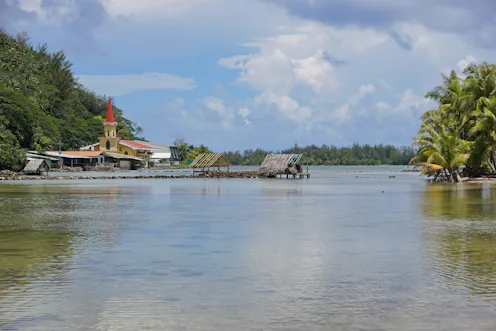
What does God have to do with climate change? A lot, if you want to engage with communities in the Pacific Islands, where almost everyone goes to church and religious leaders are hugely influential.

Rising seas are one of the major concerns of Pacific Island nations, and looking at past sea-level change can help understand the future.
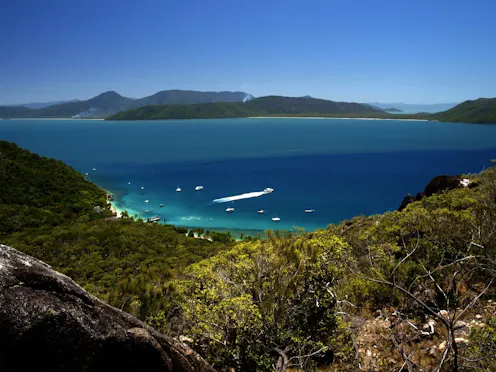
In the beginning, as far back as we remember, our home islands were not islands at all as they are today. They were part of a peninsula that jutted out from the mainland and we roamed freely throughout…
Contact Patrick for
- General
- Media request
- Speaking request
- Consulting / Advising
- Research collaboration
- Research supervision
- Location: Maroochydore, Queensland, Australia
- Website
- X (formerly Twitter): @PatrickNunn3
- Article Feed
- ORCID
- Joined
