
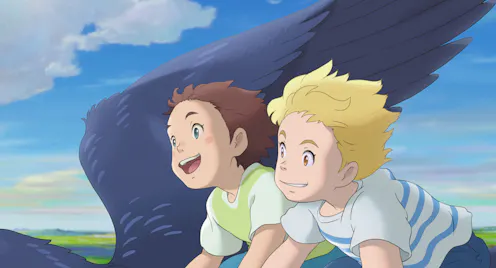
As a researcher who has studied imaginary friends for over a decade, I found The Imaginary very heartwarming
- Associate Professor of Developmental Psychology & Psychopathology, University of Leeds
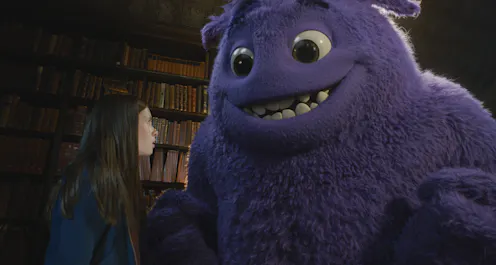
Imaginary companions are a normal and joyful part of childhood.
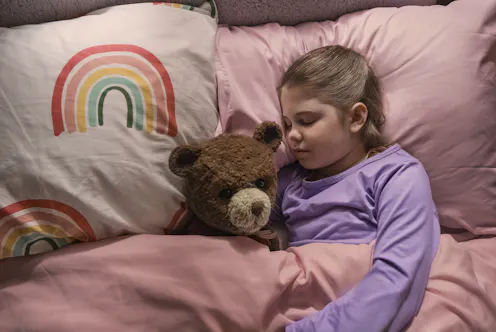
Some children have companions that are disobedient or even mean.
Playing with imaginary friends in childhood is linked to being more creative as an adult.

Avant de faire des plaisanteries, les enfants doivent développer imagination, empathie et conscience des différences.
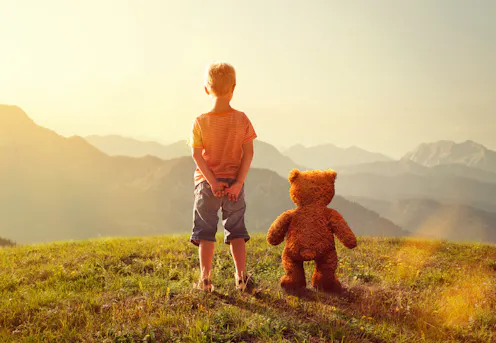
Faut-il s’inquiéter lorsqu’un enfant s’invente un compagnon de jeu ? Des études montrent au contraire que les amis imaginaires stimuleraient la créativité et l’empathie des plus jeunes.
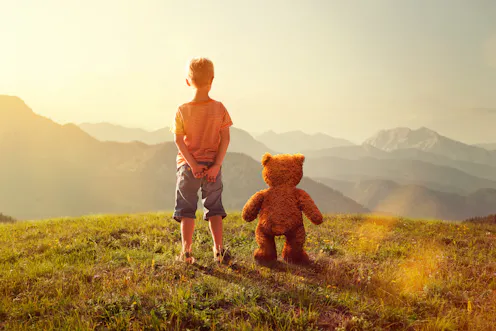
Children with imaginary friends tend to be creative and have more empathy.

CC BY-ND26.5 MB (download)
In this episode of the podcast, we take in the history of Victorian humour, why kids find poo so hilarious and whether academics should try and be funny.

It turns out that children as young as three can actually understand some forms of irony.
Contact Paige for
- General
- Media request
- Speaking request
- Consulting / Advising
- Research collaboration
- Research supervision
