

The government wants to make these short-term cuts to shore up the budget bottom line. But there’s a fairer way to repair the NDIS.
- Senior Associate, Disability Program, Grattan Institute

A lot has to go right for the $37.8 billion in NDIS savings to be delivered without leaving disabled people to fall through the cracks.
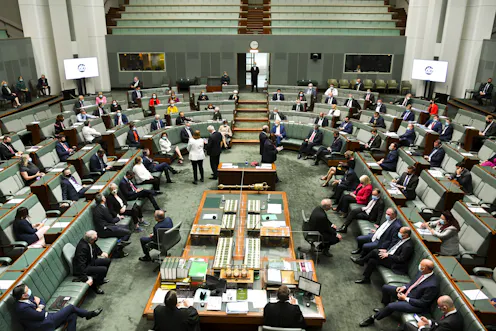
The Australian Electoral Commission has released parties’ financial disclosures for 2020-21. But our picture of what is going on with political funding in Australia is still woefully inadequate.
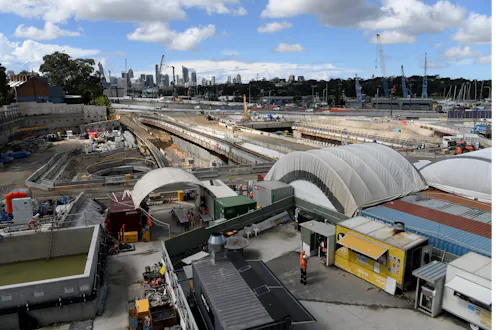
Three big firms win almost all the $1 billion-plus contracts. And they often team up in joint ventures, further reducing the competition that would keep the price tags of road and rail projects down.

The Coalition’s increase in child-care subsidies is a step in the right direction, though much more needs to be done.

Modest changes to Australia’s paid parental provision can help address the gender gap in unpaid and paid work between mothers and fathers.

Victoria’s closure of child-care services may be necessary, but it will put pressures on parents and likely drive down women’s workforce participation.

There is a strong economic case for a higher child-care subsidy to help rebuild the Australian economy after the coronavirus crisis.
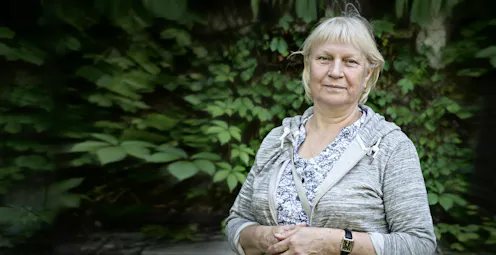
A typical Newstart recipient is middle-aged, female, and more likely than most to live outside of a major city.

Not only do we not tax inheritances, we actually subsidise them, making the already well off even better off.

New calculations suggest middle earners will earn less over their lives if compulsory super is ramped up from 9.5% of salary to 12% as scheduled.

Bill Shorten says Labor’s plan to make super contributions on behalf of women on paid parental leave would have a “big impact”. We find its impact would be be minuscule.
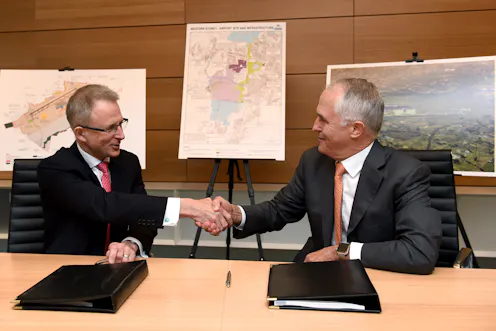
Consider these home truths: value capture is a tax, it would need to apply to the family home and deciding which areas it covers would be politically contentious. A broad-based land tax is simpler.
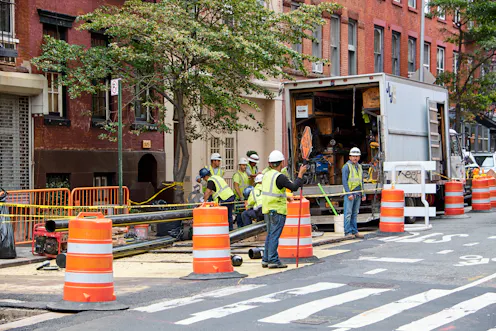
Once again the federal government has given more infrastructure funding to Queensland, ignoring less politically important states like Victoria.
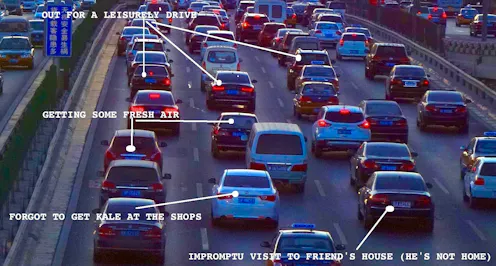
Charging people to drive has been the dream of policy wonks – serving politicians tend to see it as political poison. So when federal minister Paul Fletcher raises it, that’s a step forward.
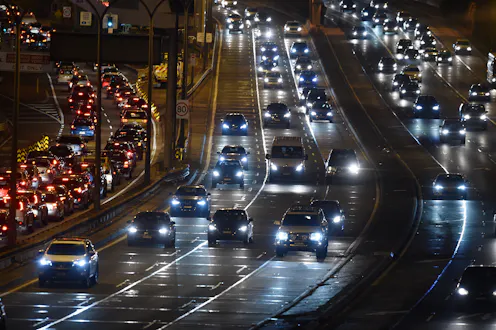
Labor says that public sector infrastructure investment has fallen 20% under the Abbott-Turnbull government. Is that right?
If the system was fixed project funding would be more likely to be based on merit.
Contact Owain for
- General
- Media request
- Speaking request
- Consulting / Advising
- Research collaboration
- Research supervision
- Location: Melbourne, Australia
- Article Feed
- Joined
