

Vous vous sentez financièrement bloqué ? Voici quelques outils et habitudes mentales basés sur la recherche qui peuvent vous aider à construire une stabilité financière en ces temps incertains.
- Assistant Professor, Faculty of Business, University of New Brunswick

Feeling financially stuck? Here are some research-based tools and mental habits that can help you build financial stability in these uncertain times.

The branding saga of the name of HBO Max offers a clear lesson for marketers: when a rename threatens familiarity, consistency and clear messaging, customers will push back.
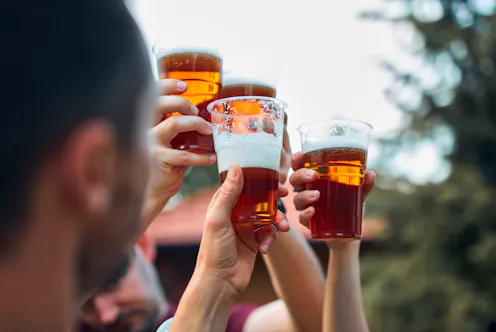
Growing health and wellness consciousness, accompanied by changing social patterns, have sparked Gen Z’s interest in the ‘sober curious’ movement.

Ce qu'on appelle «l’esprit de sous-consommation» est une tendance qui remet en question la surconsommation en encourageant les gens à n’acheter que ce dont ils ont vraiment besoin.

As the market continues to evolve and consumers become more discerning about the products they buy, the success of celebrity brands requires more than just star power these days.

Google’s recent ad controversy brings up key questions about the preservation of human skills, and the ethical and social implications of integrating generative AI tools into everyday tasks.

‘Underconsumption core’ is a trend that challenges overconsumption by encouraging people to maximize the utility of their purchases and buy only what they truly need.

With inflation finally starting to stabilize in Canada, a new type of consumer has emerged, marked by value consciousness, digital savviness and a preference for experiences over material goods.

Although it’s rooted in legitimate grievances, the ‘Steal from Loblaws Day’ campaign is not only illegal, but also fails to achieve its intended objective and risks undermining economic stability.

Although Wendy’s won’t be exploring dynamic pricing until 2025 at the earliest, this type of pricing strategy is nothing new for many industries.
As with any technological advancement, professionals will need to adapt and find ways to integrate Sora into their workflows, leveraging its strengths to complement their own skills and creativity.

Neuralink’s first human trial is more than just a technical milestone; it represents a major leap in potential human-computer interaction.
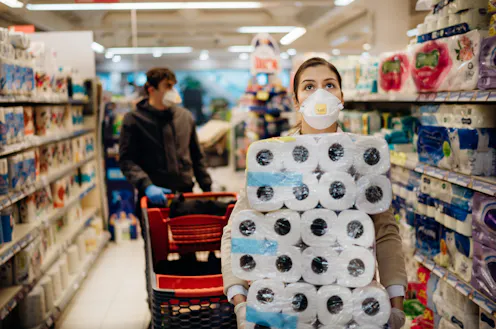
Understanding the traits of different customer groups can help shoppers and businesses serve their communities more ethically and effectively, especially in times of crisis.

Once a cornerstone for many food retailers, brand loyalty is eroding as consumers prioritize cost savings over long-term brand relationships.

Genuine love holds immeasurable value, yet discovering it can pose challenges — and come with a significant price tag.

These days people prefer to simply have access to goods and services, rather than outright owning them. But what does this mean for the future of consumerism?

The recent declines of Threads and ChatGPT attest to the reality that rapid and widespread acceptance doesn’t necessarily lead to long-term success.
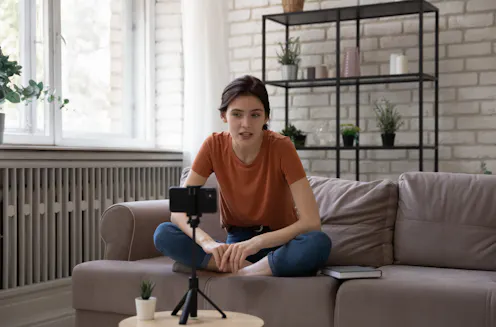
Deinfluencers prioritize genuine content and real engagement over the meticulously curated content and commercial partnerships that are common in traditional influencer culture.

L’intérêt de la génération Z pour les téléphones à clapet est le dernier d’une série d’obsessions des jeunes pour l’esthétique des années 1990 et 2000.

After struggling to go mainstream, Apple’s recent announcement of the Vision Pro mixed-reality headset could be the lifeline the metaverse needs.

Ketertarikan Gen Z terhadap ponsel lipat merupakan yang terbaru dari obsesi anak muda terhadap estetika dekade 1990an dan 2000an.

Gen Z’s interest in flip phones is the latest in a series of obsessions young people have for the aesthetic of the 1990s and 2000s.
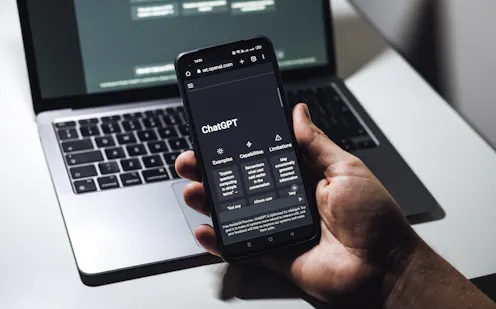
While ChatGPT has the potential to enhance marketing effectiveness, it can’t replace human creativity or form meaningful connections with customers like humans can.
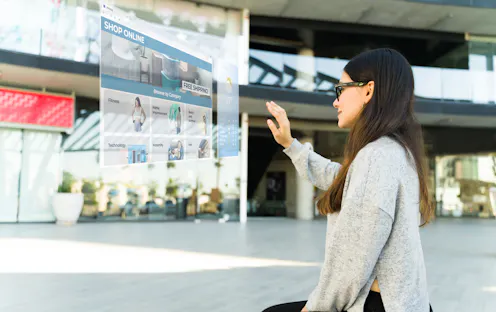
The metaverse offers novel opportunities for retailers and their customers, but retailers need to be adequately prepared to overcome the challenges of new technology.
Contact Omar for
- General
- Media request
- Speaking request
- Consulting / Advising
- Research collaboration
- Research supervision
- Location: Canada
- Website
- X (formerly Twitter): @OmarHfares
- Article Feed
- ORCID
-
- Joined
