
There is a need for improved fraud awareness education so that ordinary Nigerians understand how fraudsters operate.
- Professor of Sociology (Criminology, Victimology and Security Studies), University of Ibadan
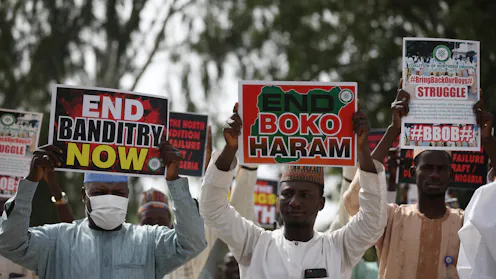
Banditry is widespread in Nigeria but knowledge about its character and nature is limited.
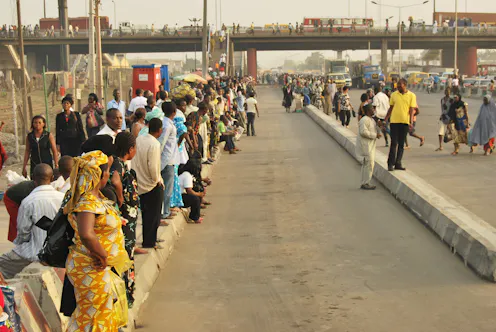
An improved public transport system and mapping of hotspots by law enforcement agencies would reduce susceptibility to crime in Lagos, Nigeria.
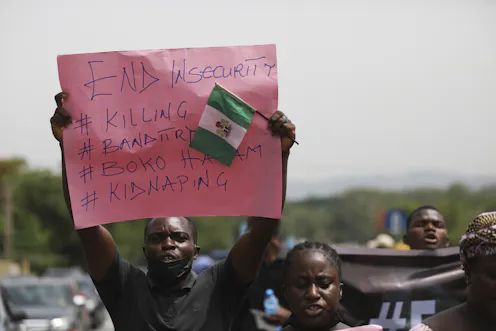
A lot is said about kidnapping for ransom in Nigeria but little is known about how families mobilise resources and deliver ransom to kidnappers.
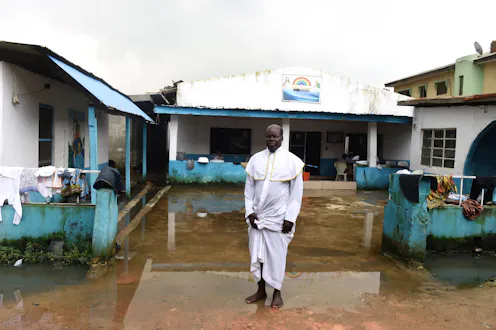
Through their mastery of the environment and target selection, the Badoo cult gang was able to unleash terror among residents.
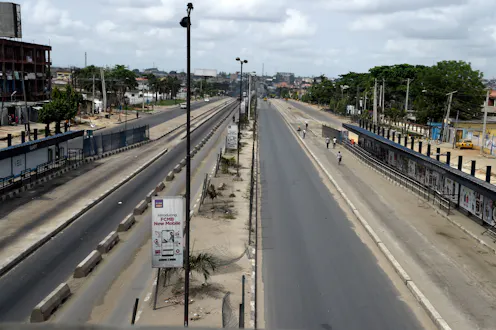
Nigeria should consider embracing a decentralised policing system as community mobilisation during COVID lockdown ensured law and order.

A migrant’s dream is tied to the dreams of their family, the analysis found. The same is true of their actions.

The lack of clear communication on COVID-19 palliatives by Nigeria’s government allowed cybercriminals to defraud vulnerable people.
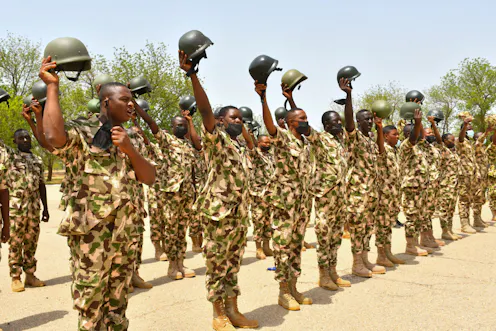
The Nigerian military needs a systemic approach to solving family disruptions and strains often caused by personnel deployment away from home.
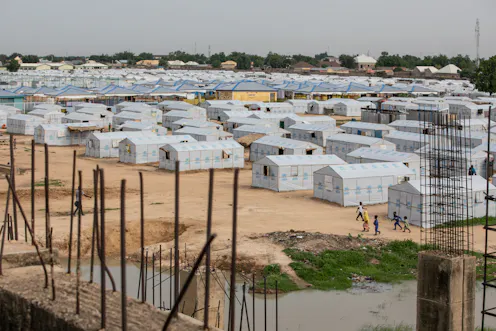
They do menial jobs but also trust in God as a coping strategy.

Poverty aside, cultural factors like the influence of hip hop songs may also play a role in making a life of cybercrime attractive to young people.
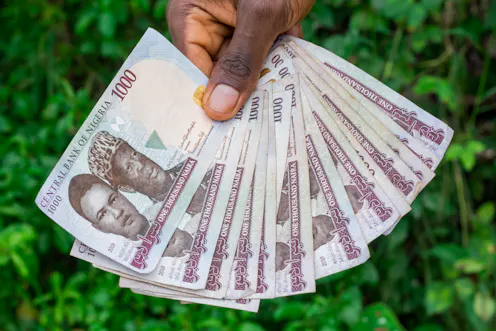
The Buhari government has a long way to go in its anti-corruption battle as seen in the latest Transparency International rankings.

They are often framed as lazy and fraudulent and are constantly harassed by the police. Now, it seems they have had enough. We explore what it takes to be a young Nigerian living in Nigeria.
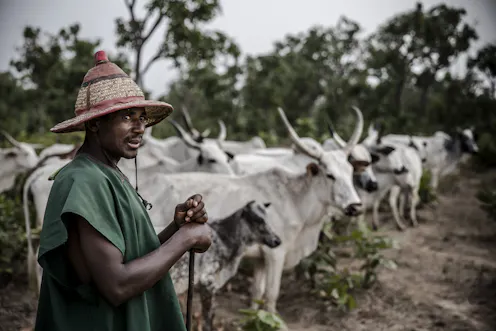
Beyond the struggle for land and water, new triggers of conflict between farmers and herders have emerged in northern Nigeria.

In our media analysis, we found that rapists were mainly people the victims knew.
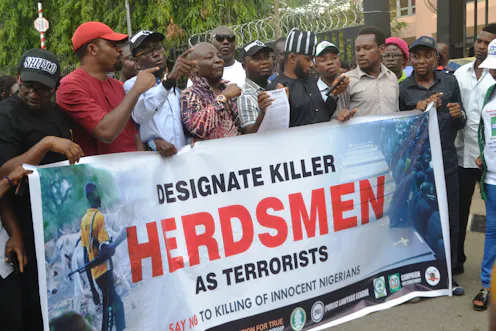
Clashes between farmers and herders in Nigeria have been bloody and protracted, with one side portrayed as victims. But as this study shows, both sides are victims.

Nigeria’s cashless policy seeks to minimise cash-related crimes, but it seems to have replaced that risk with another: electronic fraud.
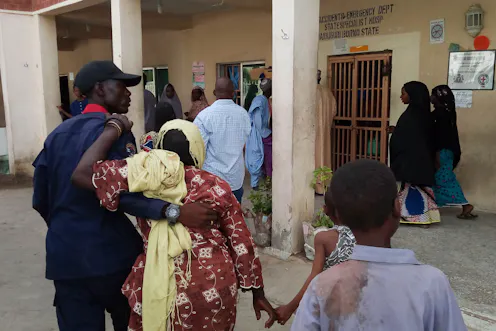
Some Boko Haram victims suffer double jeopardy when they return home to their kith and kin.

Hiring top-end event centres boosts people’s social status and made them feel more esteemed.
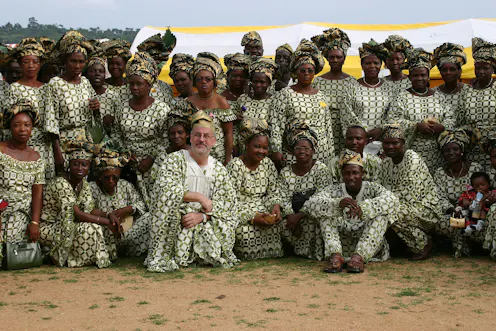
As the Nigerian tradition of dressing in matching outfits for special events continues to grow in popularity, it brings with it a threat of social exclusion.

Support for European soccer clubs is defining relationships between spouses.

Middle-class Nigerians employ children in their homes for a range of reasons.
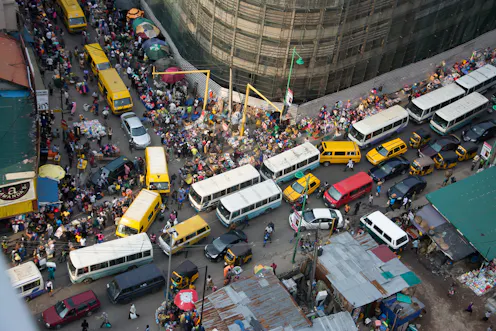
The role and efficacy of the traditional crime-prevention measures in Iraye-Oke are widely acknowledged by people who live in the area.

An investigation into the recruiting strategies of traffickers and their networks could be helpful in arresting this menace.

In some Nigerian universities, wealthy female students engage in trasnactional sex for pleasure, while those that needed financial support did it for the money.
Contact Oludayo for
- General
- Media request
- Speaking request
- Consulting / Advising
- Research collaboration
- Research supervision
- Location: Ibadan, Nigeria
- X (formerly Twitter): @oludayoTade
- Article Feed
- ORCID
- Joined
