
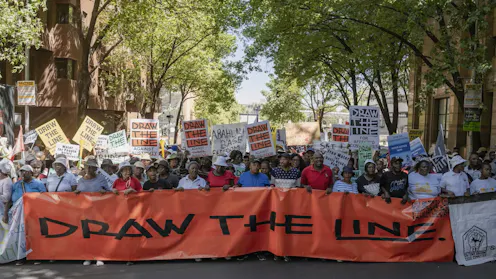
Pour la première fois, les pays disposent désormais d'un moyen commun pour déterminer si le monde s'adapte réellement mieux aux effets du changement climatique.
- Senior Research Associate, Institute for Environment and Human Security (UNU-EHS), United Nations University
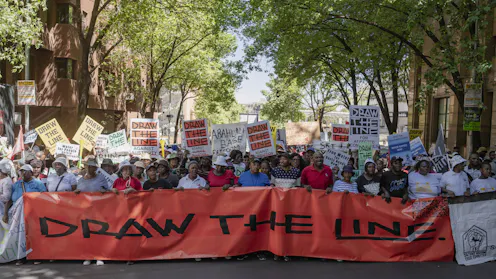
For the first time, countries now have a shared way to understand whether the world is actually improving at adapting to climate impacts.
Some countries are making progress but others still face the challenge of weak coordination.
Pour toutes les économies, la reprise après des événements climatiques extrêmes exige des mesures qui abordent les défis systémiques et renforcent les communautés pour un avenir durable.
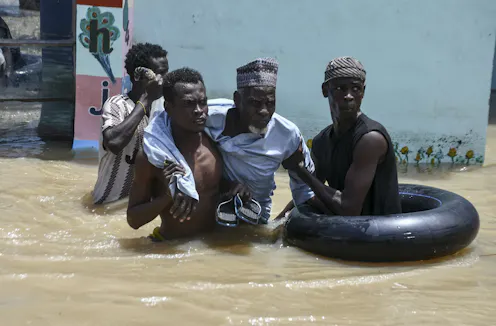
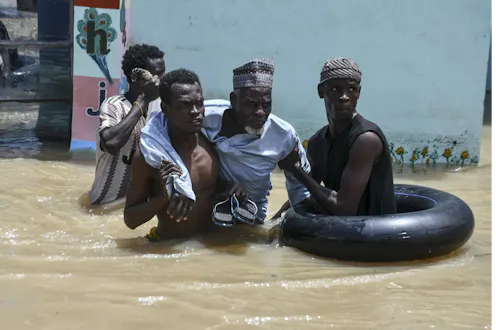
For both developed and developing economies, recovering from extreme climate events requires measures that address systemic challenges and empower communities to build a better future.
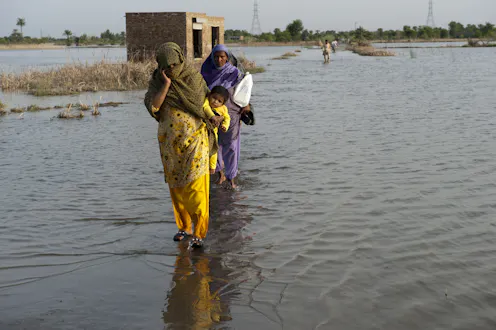
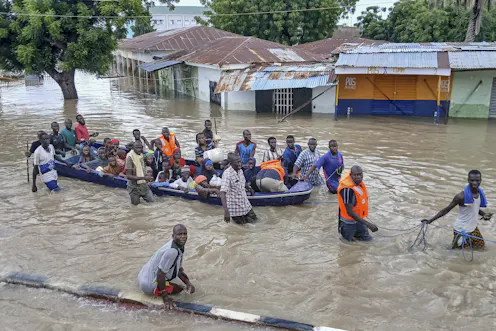
Our expert in disaster recovery and climate change adaptation calls for a longer-term response to conflict zones affected by severe flooding, such as Libya and Pakistan.
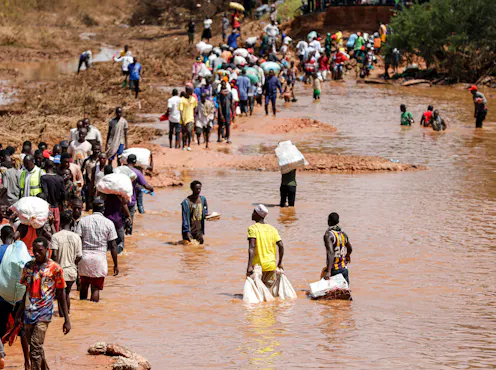
In African coastal communities, traditional knowledge helps residents to anticipate and prepare for potential flooding events.
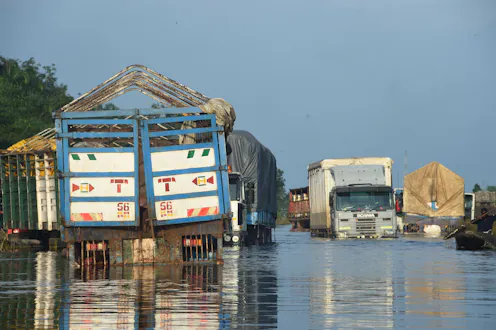
Nigeria’s new President Bola Ahmed Tinubu faces a number of challenges. But climate change cannot be ignored.
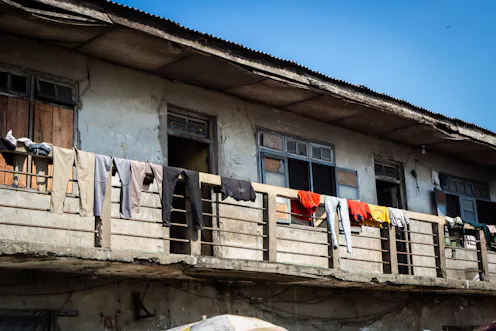
Poverty drives vulnerability to climate risks in Port Harcourt, Nigeria.
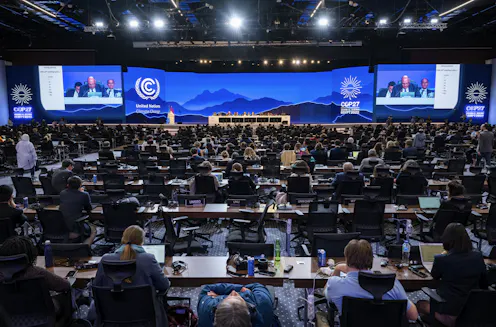
African leaders must take radical actions to strengthen the continent’s voice and participation in future events.
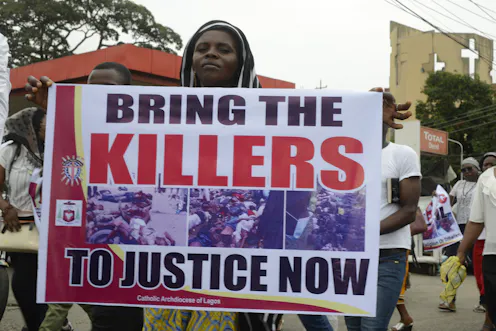
Through articles written by academic experts in the course of the year, The Conversation Africa takes a second look at Nigeria in 2022.
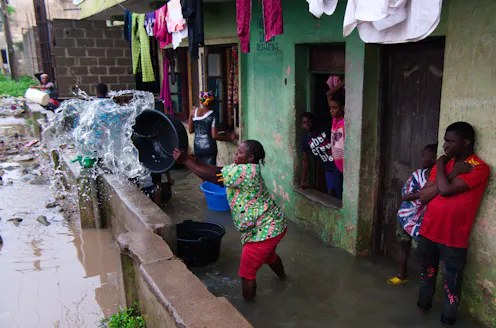
Nigerians’ capacity to prevent, cope with and reduce flood risks is determined by access to housing, transport, drainage, income and education.
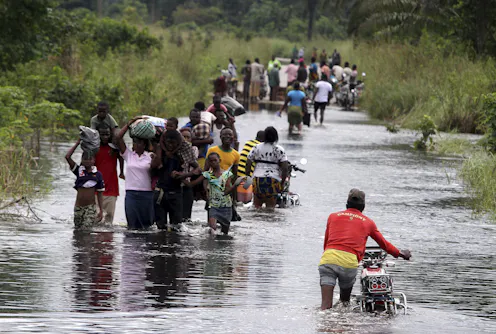
Experts share their insights into Nigeria’s flooding challenge and steps needed to alleviate their worst effects.
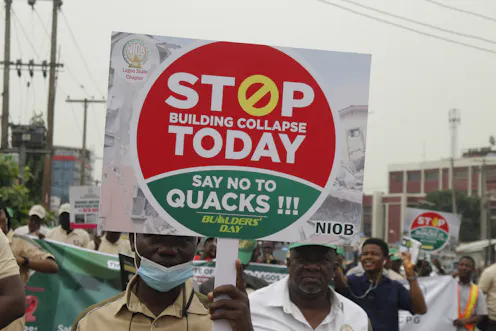
Lagos, Nigeria’s commercial capital city, is notorious for frequent building collapses. A risk reduction expert offers five recommendations on how to prevent these disasters.
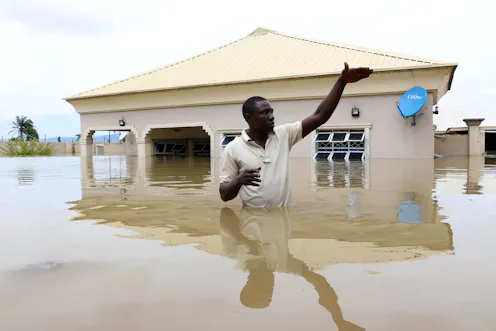
Institutional failures, infrastructure, socio-economic challenges and disaster education influence Nigerian cities’ vulnerability to flood disaster.
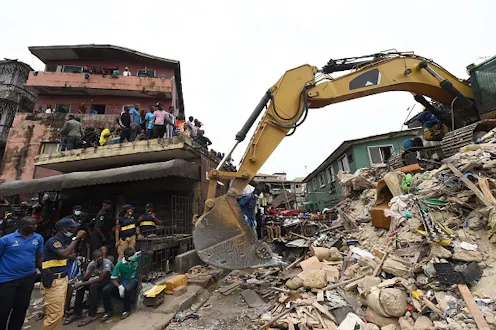
Private developers, building professionals and the government all share responsibility for building collapses.
Contact Olasunkanmi for
- General
- Media request
- Speaking request
- Consulting / Advising
- Research collaboration
- Research supervision
- Location: Germany
- X (formerly Twitter): @sunkiehabib
- Article Feed
- ORCID
- Joined
