

Health workers with relatives in positions of power were frequently absent from work.
- Professor of Health Economics and Policy and Pharmaco-economics/pharmaco-epidemiology in the Departments of Health Administration & Management and Pharmacology and Therapeutics, College of Medicine, University of Nigeria
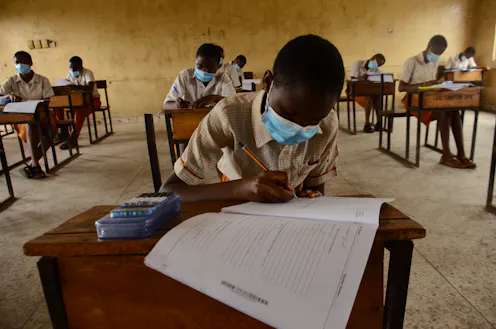
Top-down enforcement of rules is not working; it has to be in people’s own interests to behave ethically.
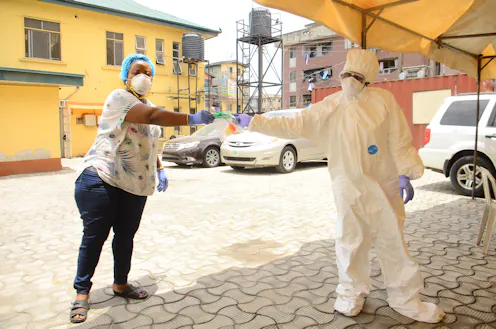
As Nigeria battles COVID-19, systemic corruption and a low level of accountability in the health sector may undermine efforts to halt the devastating effect of the virus.
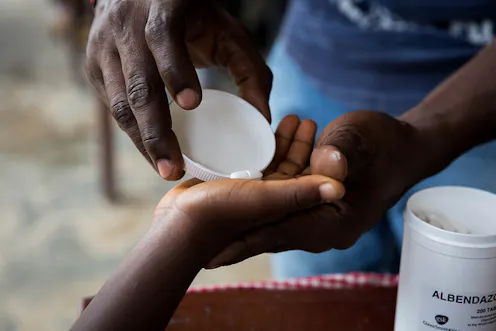
Corruption in Nigeria’s health sector can be eliminated by the implementation of a few simple strategies.
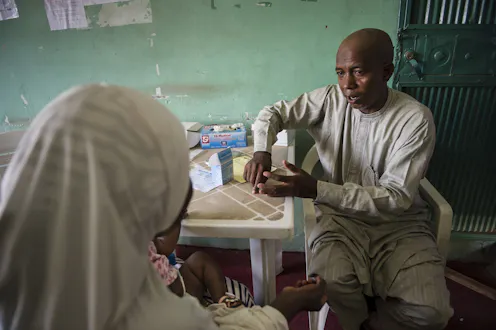
Effectively decentralising HIV and AIDS treatment services helps to improve universal health care. But in Nigeria this approach comes with many challenges.
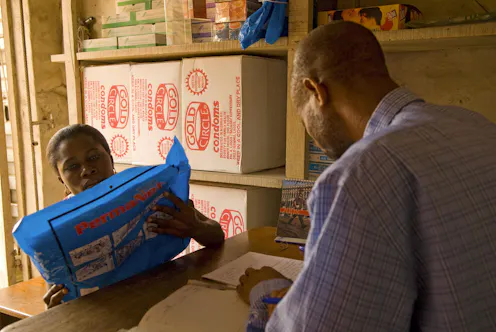
They not only bear the heaviest burden of malaria on the continent: Nigerians are also paying the most for services related to the disease.

Creating HIV services at primary health-care centres in Nigeria may improve the uptake of antiretrovirals, but it won’t tackle the issue of stigma.
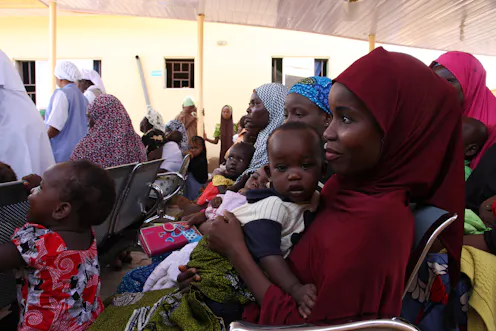
Antiretroviral treatment has been free at Nigeria’s health facilities. But the other costs involved for those living with HIV, such as transport and food, have been problematic.
Contact Obinna for
- General
- Media request
- Speaking request
- Consulting / Advising
- Research collaboration
- Research supervision
- Location: Nigeria
- Website
- Article Feed
- ORCID
- Joined
