
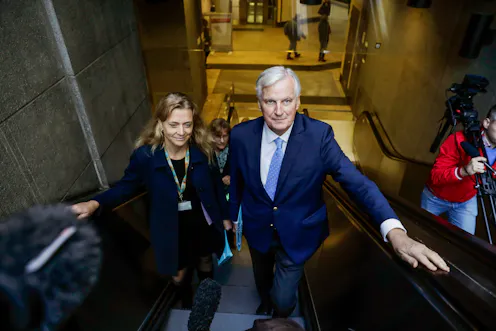
With a further extension the EU hopes to facilitate the ratification of the withdrawal agreement and thus ensure an orderly Brexit
- Senior Lecturer in European Politics, University of Bristol
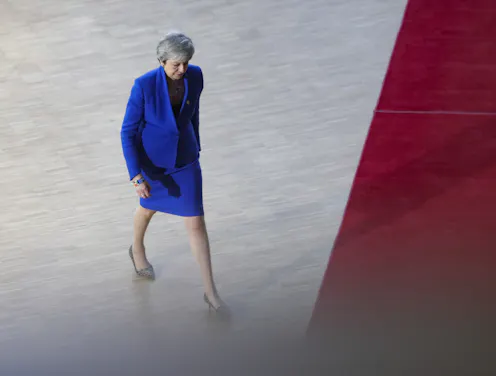
The UK has until October 31 to get its house in order.
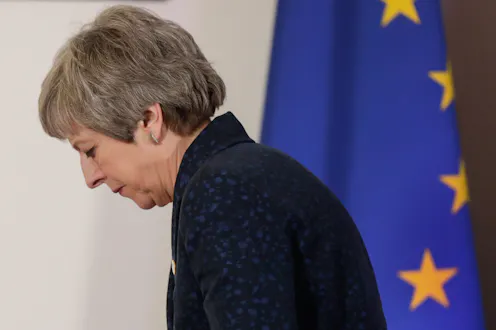
Decades of consensus building have enabled the EU27 to show remarkable resilience and flexibility, despite chaos on the UK side
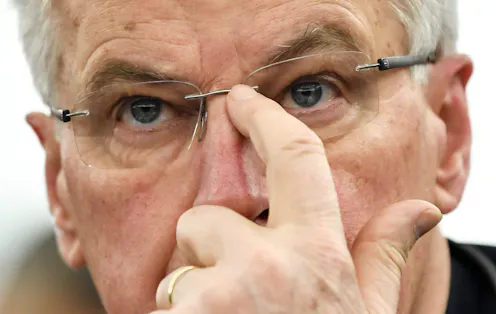
There is little the EU can do while the UK is in disarray.
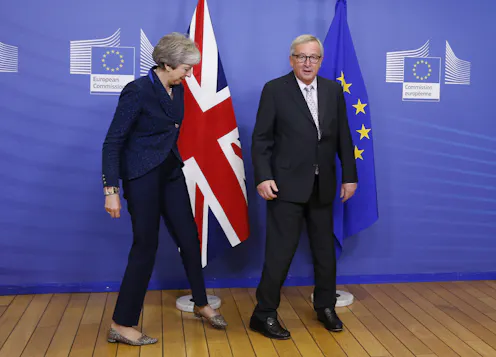
The EU realises the red lines it needs to meet are now the British parliament’s, not Theresa May’s.
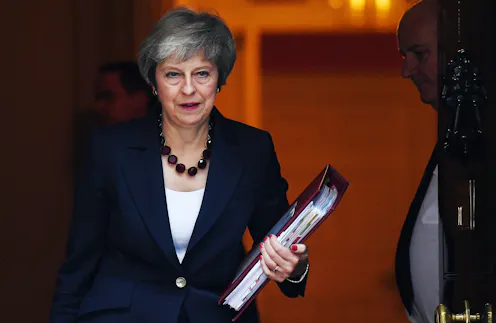
Academic experts explain the key details of the draft Brexit deal agreed by UK and EU negotiators.
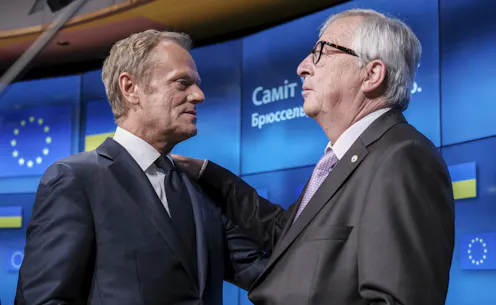
Despite the problems that lie ahead with the Brexit plan Theresa May hammered out at Chequers, the EU prefers a Brexit deal rather than a ‘no deal’.
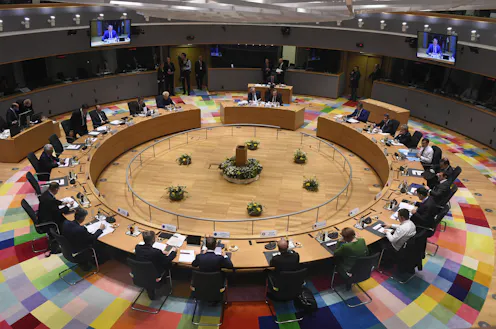
The EU faces three key challenges over Brexit: avoiding a no-deal scenario, managing the ticking negotiation clock and ensuring its own unity.
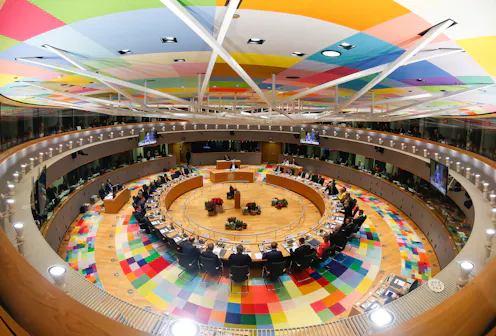
European leaders agree that agreements on issues including the Irish border mean it’s time to start moving forward with Brexit negotiations.
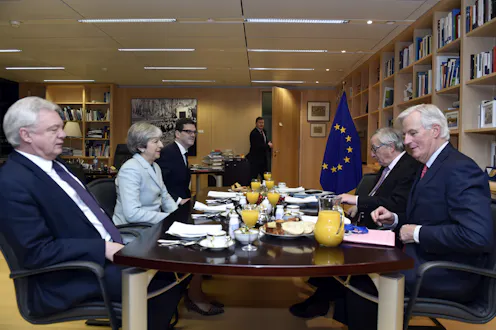
The UK government surprised everyone by meeting the criteria to progress to the next phase of talks. Here’s what that actually means.
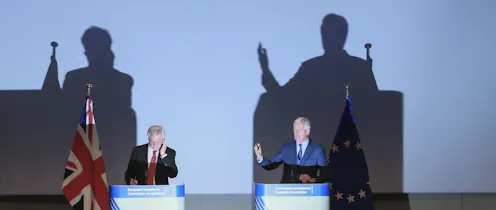
It is up to the EU to decide when Brexit negotiations can move on to the next phase.
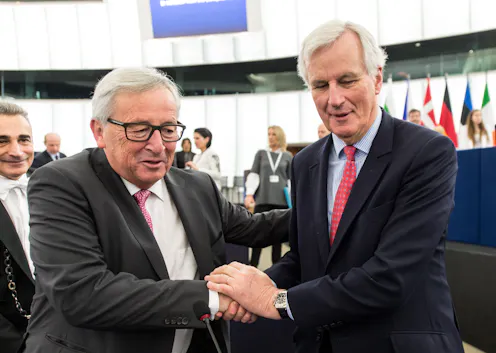
The balance of power in Brexit talks is firmly with the EU.
Contact Nieves for
- General
- Media request
- Speaking request
- Consulting / Advising
- Research collaboration
- Research supervision
- Location: Bristol
- Website
- X (formerly Twitter): @DrNPSolorzano
- Article Feed
-
- Joined
