

There are many ways to reduce harm from drugs at music festivals beyond the much publicised pill testing. Here’s what else we can do.
- Adjunct Professor at the National Drug Research Institute (Melbourne based), Curtin University
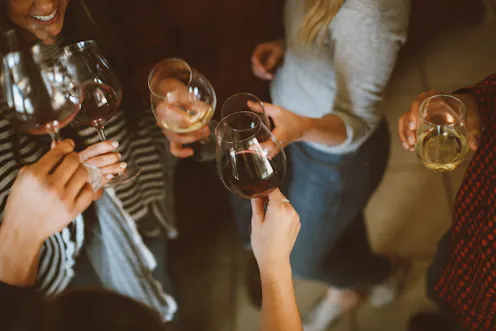
When it comes to drinking at risky levels, women are catching up to men. Problem is, women start to have alcohol-related problems sooner and at lower drinking levels than men.
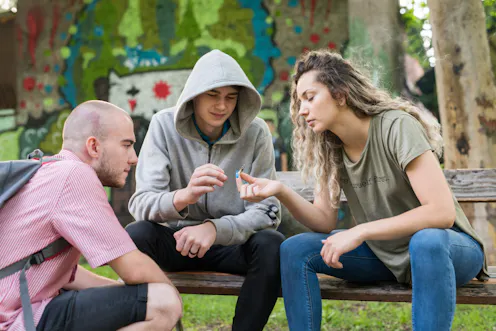
It can be really tricky to know what to do when someone you care about starts using drugs. Raising the issue and listening without judgement is a good place to start.

Most people assume drugs are illegal because they are dangerous, but the reasons aren’t related to their relative risk or harm.

Every summer we hear of more deaths from drugs at festivals. But MDMA was originally a medicine, so how can it kill users?

Around 35% of Australians have tried marijuana at some point in their life, and 11% have tried ecstasy. Most people who try drugs do so for a short period in their lives – mostly in their 20s.
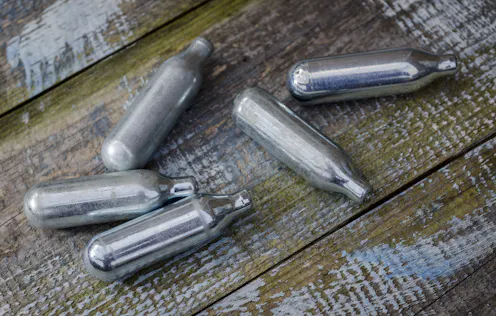
Media-driven panic about drugs can create a perception more people are using the drug than they actually are, and when teens think ‘everyone’ is doing it, they are more likely to want to do it too.

Some drug and alcohol programs
currently used in prisons have little evidence to support them.
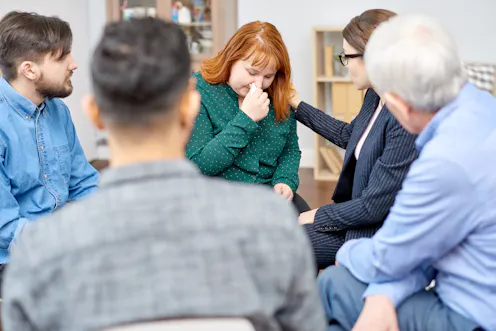
There are many good private alcohol and drug treatment providers, but lack of regulation means some unethical practices are being uncovered. Here’s what you should know about treatment.
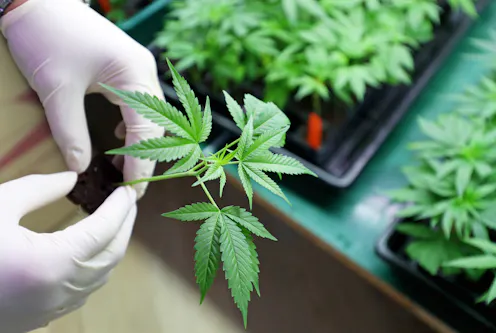
There are health risks associated with cannabis use, but there’s no evidence use will increase if it’s legalised.
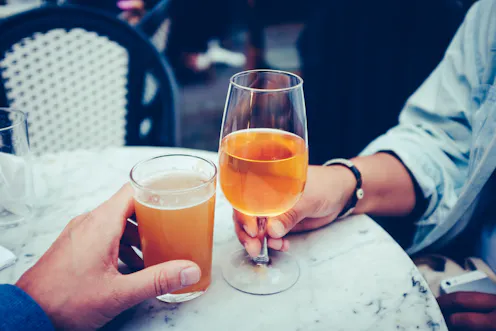
Some people believe different drinks make them feel differently. But the effect alcohol has on your mood depends on factors like where you are drinking it and how you’re feeling at the time.
New research shows an association between moderate drinking and long-term brain impairment. But there are a few reasons to be cautious about these findings.

Social Services Minister Christian Porter told Q&A that ‘rates of drug use amongst unemployed are 2.5 times higher than amongst employed people’. Is that correct?
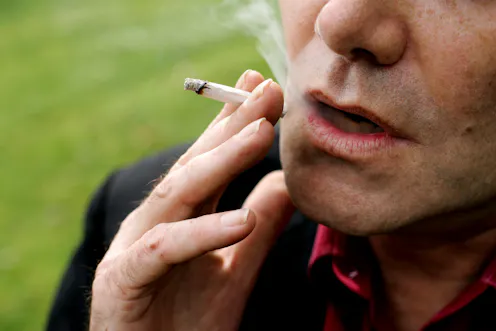
The proportion of population who use legal and illegal drugs has remained stable or trended down. Fewer young people are using, but the proportion of older people using drugs and alcohol has grown.
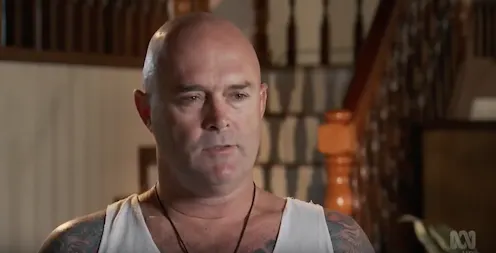
Shalom House calls itself the ‘strictest drug rehabilitation centre in the country’ but evidence of its so-called success is anecdotal at best.
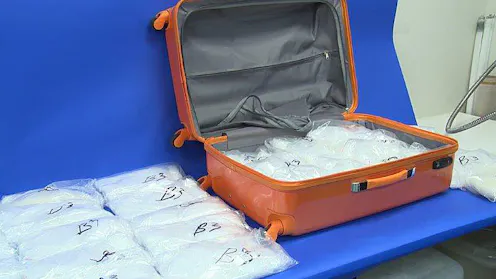
West Australian Labor leader Mark McGowan said his state has the “worst rate of methamphetamine usage in the country”. We asked the experts to check the evidence.
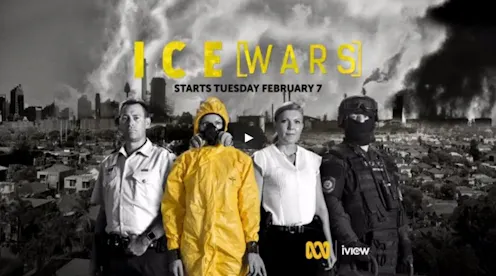
Without doubt, crystal methamphetamine, like many drugs (including alcohol) is capable of causing immense harm. But when facts are distorted to create fear and stigma it helps no one.
Regardless of how they are consumed, alcohol and other drugs eventually make their way into the brain via the bloodstream. Once there, they affect how messages are sent through the brain.
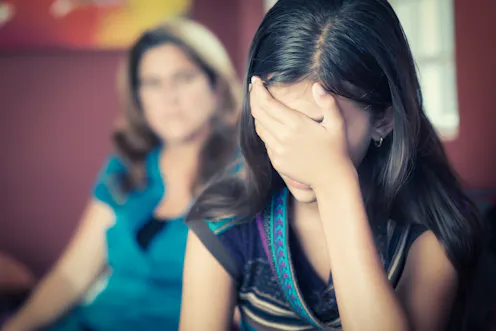
Ice increases the risks of psychosis, violence and impulsivity, and decreases emotional control. So what can families really do?

Australia is following the lead of the United States and sending ex-ice users into schools in the hope they can impact kids’ attitudes towards drug use and prevent use.
Around 2.3% of Aboriginal and Torres Strait Islander Australians 15 years and over report using speed or amphetamine in the past year. This is similar to the general population.
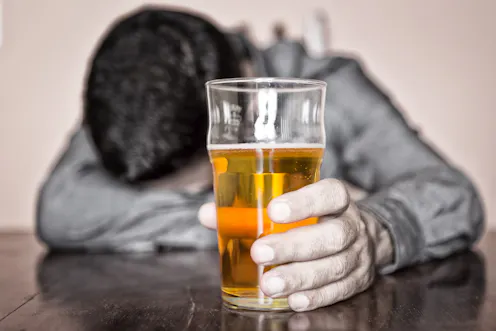
Some think labelling it a disease is a helpful way to think about addiction; others think this makes the addict helpless in their fight against addiction. Two academics debate both sides of the coin.
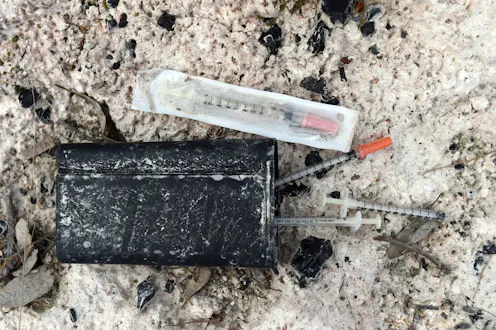
PolicyCheck unpacks the details and history of the Greens’ proposed $10 million Harm Reduction Innovation Fund drug policy.
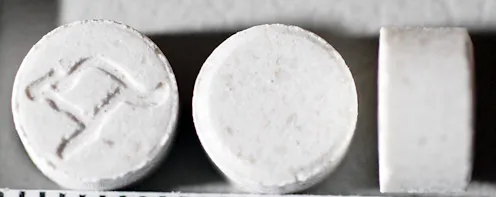
Ecstasy is the street name for 3,4-methylenedioxymethamphetamine, or MDMA, an illicit party drug that speeds up messages to and from the brain and alters the user’s perception of reality.
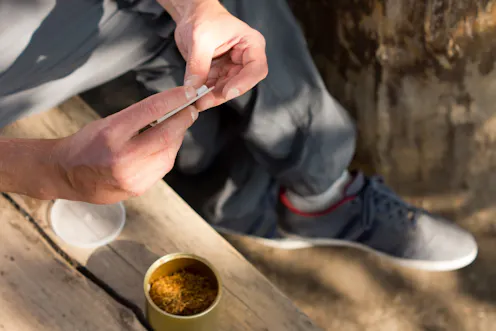
Some of the greatest harms from using illicit drugs are because they are illegal.
Contact Nicole for
- General
- Media request
- Speaking request
- Consulting / Advising
- Research collaboration
- Location: Melbourne, Victoria, Australia
- Website
- X (formerly Twitter): @DrNicoleLee
- Article Feed
-
- Joined
