

We might think we know a lot about drug and alcohol treatment, as it’s so often depicted on the silver screen. But there’s a lot film and TV get wrong.
- Adjunct Professor at the National Drug Research Institute (Melbourne based), Curtin University

Alcoholics and Narcotics Anonymous have been a mainstay of drug and alcohol treatment since the 1930s. But is there actually any evidence for their effectiveness?
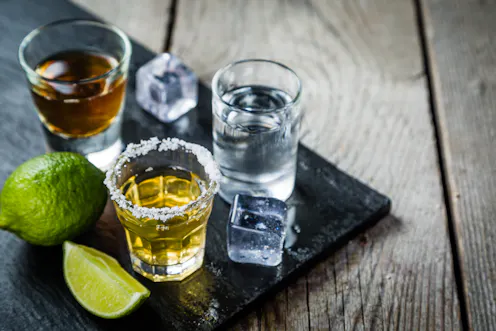
There are many ways to reduce or quit alcohol. What works best for you will depend on your situation.

Here’s what the Australian Federal Police’s new campaign gets wrong.

Now restrictions are easing, some people who have not used alcohol or other drugs recently may start to use them again, and need to be aware of their reduced tolerance.

Preventing drink spiking is a collective responsibility, not something to be shouldered by potential victims.
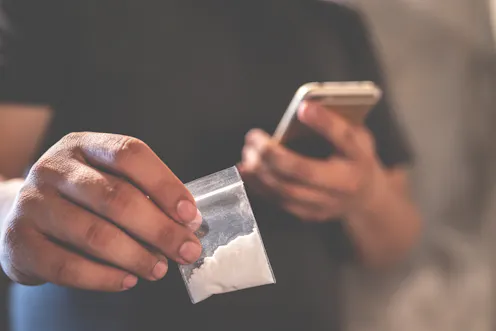
Decriminalisation of illicit drugs is the natural conclusion to decades of research on drug-related harms.
Alcohol is not the reason people harass, bully or intimidate. The fundamental problem behind those behaviours is attitudes to women. Testing on-site doesn’t address those deeper cultural issues.
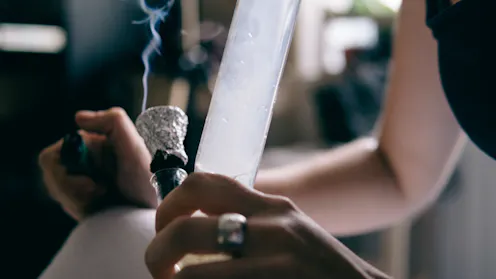
It’s hard to get an accurate picture of how the pandemic has influenced drug use, but initial data suggests treatment services are reporting increased demand.

With regular music festivals, people can more easily seek help or advice about drug and alcohol or mental health issues. But with drive-ins we need to be creative to minimise harms.
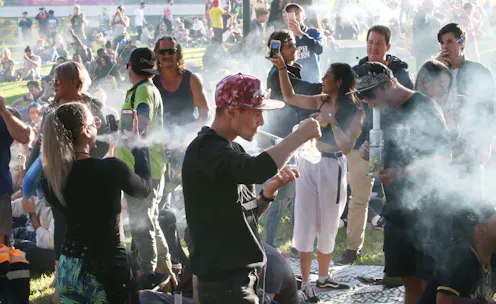
New research shows Australians are becoming more open to less punitive responses to drug use.
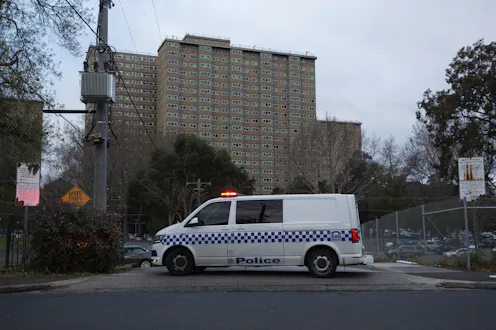
Continued drug dependence treatment for people locked down in housing estates is important. But people not currently in treatment also need support.

Be careful when returning to the pub. Your alcohol tolerance might’ve changed during lockdown, meaning you could do greater harm to your body.

Are you drinking more while in lockdown? Here are some things to look out for if you’re concerned about how much alcohol you’re consuming at the moment.
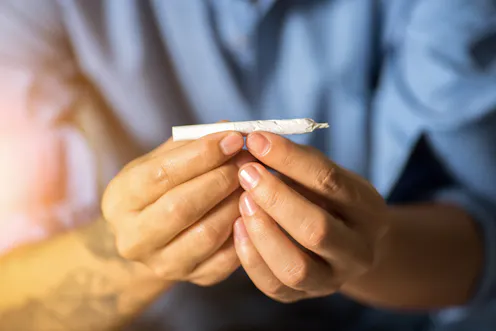
People who use illicit drugs are at increased risk during the coronavirus pandemic. But minimising that risk will improve their well-being and help avoid additional pressure on the health system.

Stress and boredom might see us drinking more alcohol at home in the coming weeks and months. But there are alternatives.
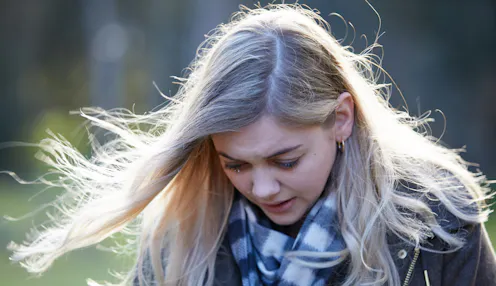
New Australian film Wild Butterfly is a story of stigma and discrimination directed towards people who use drugs. And a reminder of what can happen when trauma and drug use are played for click bait.
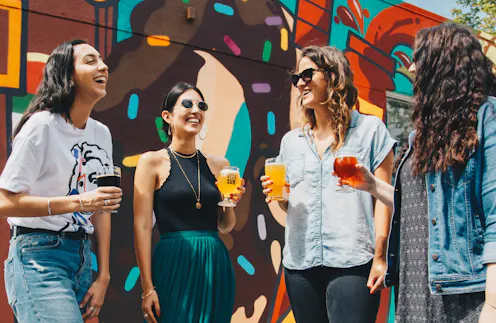
Around 30% of people who start FebFast don’t make it through the month without alcohol. But you can increase your chances with careful planning and good support.
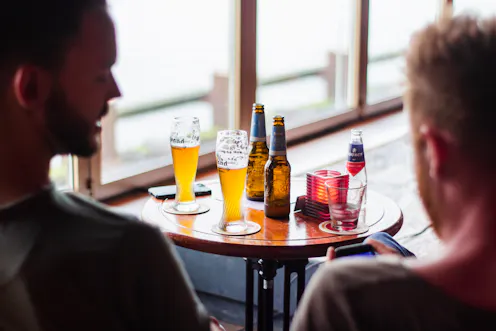
Most of us wake up with a hangover after a big night. But some people also wake up with awful anxiety (‘hangxiety’) and can’t remember much of the night before because of memory blackouts. Here’s why.
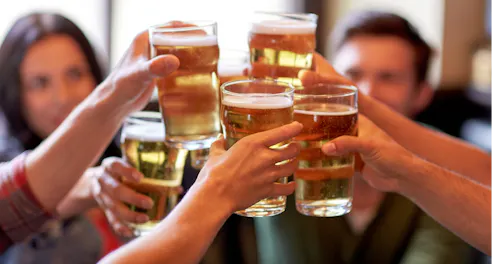
New draft guidelines recommend limiting alcohol consumption to no more than ten standard drinks per week and no more than four standard drinks on any one day.

Few teens use MDMA and scare tactics, like those we’ve seen recently, are unlikely to reduce existing drug use further.

Pill testing, no more sniffer dogs and fewer strip searches are some of the ways the NSW coroner says will reduce drug deaths at music festivals.
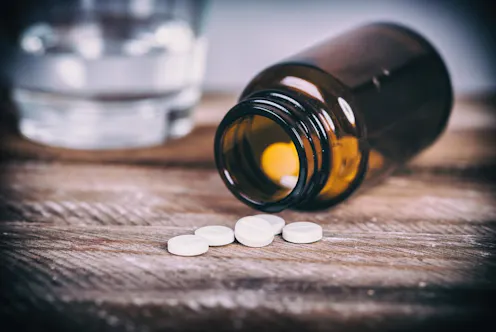
Narkoba mengaktifkan dopamin dalam jumlah yang jauh lebih besar dibandingkan kegiatan pengaktif dopamin lainnya, seperti makan dan seks.
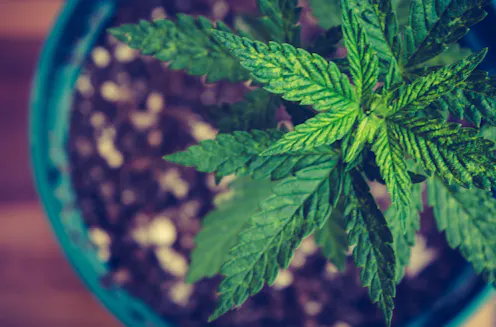
What will the new legislation mean for cannabis users in the ACT? And will other jurisdictions follow?

There’s no evidence drug use is a barrier to job seeking. And testing can’t distinguish between one off, irregular or regular use.
Contact Nicole for
- General
- Media request
- Speaking request
- Consulting / Advising
- Research collaboration
- Location: Melbourne, Victoria, Australia
- Website
- X (formerly Twitter): @DrNicoleLee
- Article Feed
-
- Joined
