

Hospitalisations and deaths attributed to COVID have dropped significantly since a peak in 2022. But a new variant could still reverse the trend quickly.
- Professor of Public Health, University of Otago

The major logistical barrier to implementing the recommendations of the COVID inquiry is the downsizing of key government agencies needed to do this work.
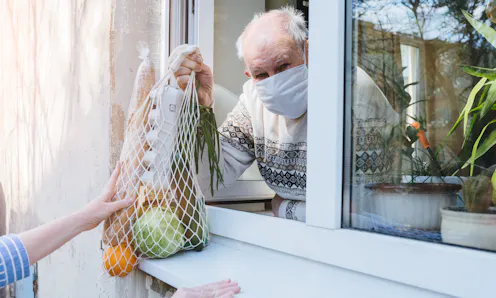
Both New Zealand and Iceland kept death rates from COVID low, but used different strategies. While New Zealand relied on lockdowns and border closures, Iceland ramped up its testing capacity.

Kita berharap WHO dengan cepat mengumumkan darurat kesehatan masyarakat yang menjadi perhatian internasional dan menetapkan strategi eliminasi untuk penyakit baru yang potensial cepat menyebar.

An upgraded global response to future potential pandemic threats would give the best chance of eliminating new infectious diseases at source before they spread globally.

Even if the new smokefree legislation did cause some temporary extra illegal trade in tobacco, the best response would still be better law enforcement and border control.

New Zealand has done better than most countries by taking decisive action at the start of the COVID pandemic. Now is the time to build on this with a science-based strategy to manage the next stages.
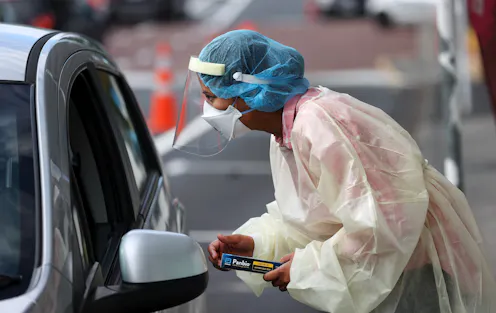
Now that Omicron infection is widespread, the government could improve trust by phasing out travel restrictions and border isolation and reviewing vaccine mandates to ensure they are proportionate.

Tackling climate change involves changes in behaviour that would significantly improve people’s general health — and save money.
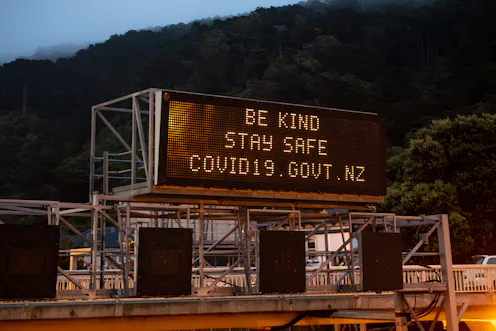
The first year of dealing with the pandemic has taught New Zealand many lessons — including how we might tackle systemic social and environmental problems.
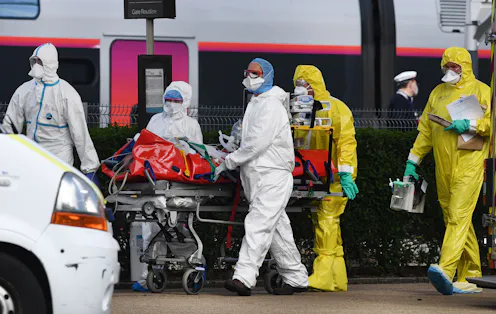
Interim findings from the Independent Panel for Pandemic Preparedness and Response paint a bleak picture of global failure. If things don’t improve, a future pandemic could be truly catastrophic.
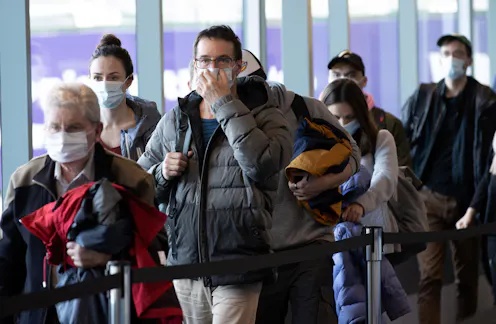
With quarantine infection numbers and border failures likely to keep increasing, the case for stricter travel restrictions is clear.
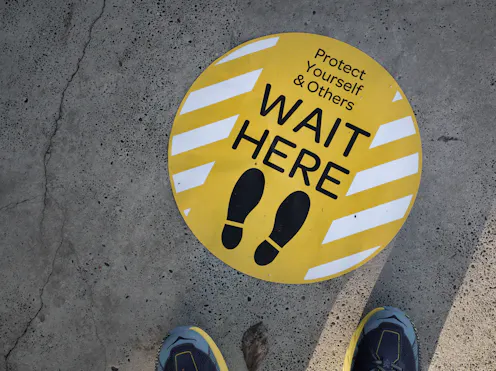
Despite the latest tweaks to border testing rules, the risk of imported infection remains very high. NZ’s wider response needs upgrading —including reducing the large numbers of infected returnees.
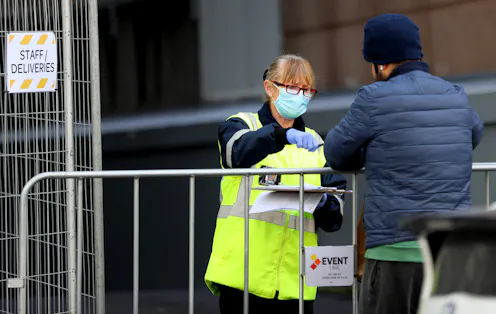
With six COVID-19 incursions in three months, New Zealand needs to change its approach to border control to reduce the risk of quarantine staff catching the virus from travellers.

New Zealand’s most pressing challenge is to bring the current COVID-19 outbreak under control, but it also time to make more strategic improvements to prevent future border control failures.
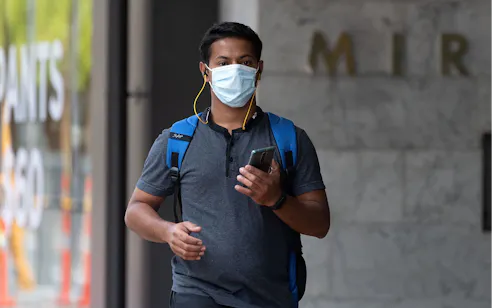
We believe New Zealand can eliminate COVID-19 again. But it could do more to speed up that process with mandatory masks and tighter controls on high-risk venues, including bars, gyms and churches.
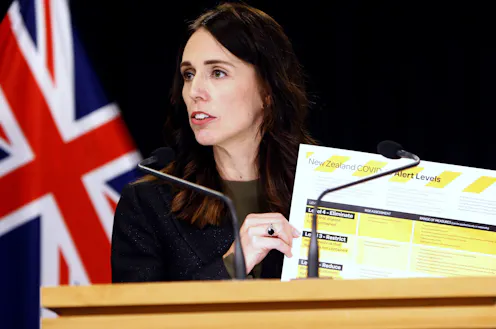
New Zealand is one of a small number of countries that have managed to eliminate community transmission of COVID-19. It’s now reached a 100-day milestone with no new cases in the community.
Dos de los principales epidemiólogos que diseñaron la estrategia de eliminación del virus en Nueva Zelanda explican los detalles de la noticia y los retos que se le presentan al país en el futuro.
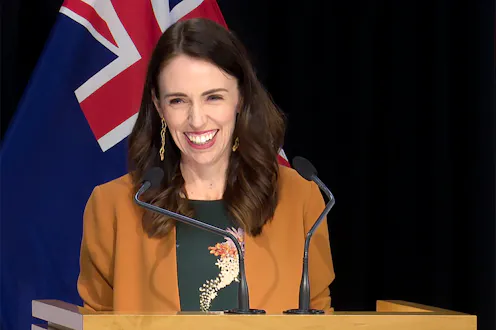
New Zealand has “eliminated” COVID-19 “for now”, Prime Minister Jacinda Ardern has declared. Two key epidemiologists who worked on NZ’s elimination strategy explain the news, and the challenges ahead.

To guard against coronavirus, NZ should consider a short “pulse” (a few weeks) of intense social distancing, including bringing forward school holidays and temporary closures of most businesses.

COVID-19 has now been confirmed in New Zealand in one case, but as yet, there is no evidence of transmission to others. Pandemic planning is focused on keeping the novel coronavirus out.
Contact Nick for
- General
- Media request
- Speaking request
- Consulting / Advising
- Research collaboration
- Research supervision
- Location: Wellington, New Zealand
- Website
- Article Feed
- Joined
