
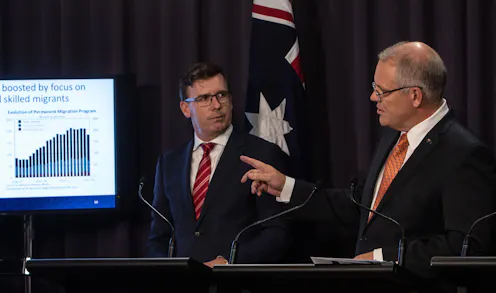
Population growth has pros and cons, and the Morrison government’s plan is less about a change in immigration numbers than about increasing the benefits and minimising the costs.
- Honorary Professor of Demography, Macquarie University

Do Muslim couples in Australia have ‘on average 4.5 children’ while other couples have ‘1.5 children’? Could Australia have a ‘Muslim majority’ in ‘a couple’ of generations? Let’s check the evidence.

Melbourne is Australia’s most rapidly growing city, a title it wrested from Perth around 2013-14. Several of Australia’s big cities are growing well above the national average population growth rate.

Divorce rates are on the decline in Australia, people are marrying and having children later in life, and more of us live alone. Our experts respond to the new report on Australia’s welfare.

In 1970 there were 269 male university students per 100 female university students. However females overtook males in 1987 and now there are 80 males for every 100 females.

How appropriate were the fourth Intergenerational Report’s demographic assumptions? Should greater attention be paid to the potential consequences of population growth?

The latest population projections from the Australian Bureau of Statistics (ABS), released earlier this week, suggest Australia’s future population growth will be considerably greater than previously indicated…
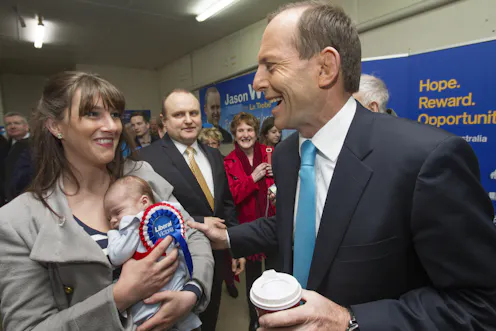
Opposition leader Tony Abbott has said he hopes the recently announced Coalition paid parental leave (PPL) scheme will lead to a baby boom. Such hopes are consistent with his earlier expression of support…

Increased participation in the workforce, a boost in people with a postgraduate degree and more community and personal service workers can all be linked back to Australia’s immigration program and rapidly…

The Gillard government’s plan to cut the baby bonus for second and subsequent children from $5000 to $3000 from July 1 2013 raises issues of equity and demographic change. Some have welcomed what they…
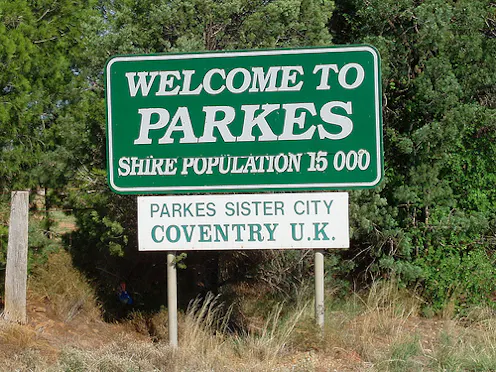
Since 1995, there has been a concerted government policy push encouraging new migrants to settle away from the major cities. The Federal Government has ramped this up further, announcing in the 2011 Federal…
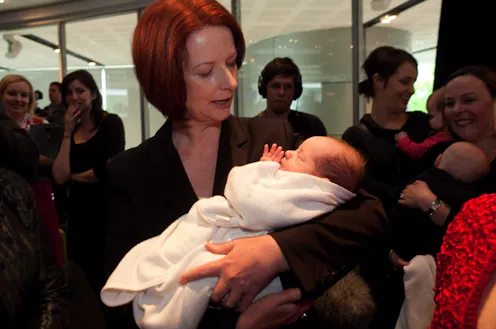
Although the introduction of the baby bonus in 2004 was designed to provide financial assistance to families, a clear pro-natalist intent was also apparent. Treasurer Peter Costello’s quip is now famous…
Contact Nick for
- General
- Media request
- Speaking request
- Consulting / Advising
- Research collaboration
- Research supervision
- Location: Sydney, Australia
- Website
- X (formerly Twitter): @NickP1963
- Article Feed
- Joined
