
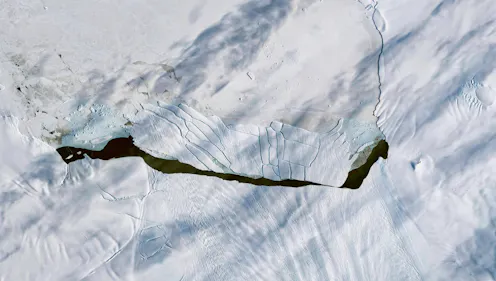
Geoengineering proposals to cool the ocean would indeed reduce ice loss from West Antarctica’s glaciers, but not enough to stop sea-level rise or allow the ice sheet to regrow.
- Professor of Glaciology, Te Herenga Waka — Victoria University of Wellington
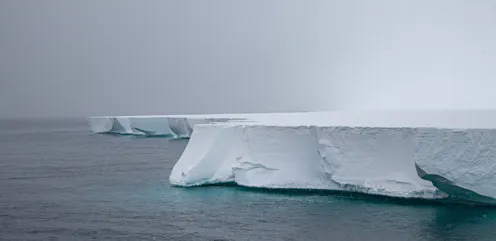
Seafloor sediments from beneath the Ross Ice Shelf represent an archive of warmer periods in Earth’s past. An ambitious international project aims to uncover what we can learn about our hotter future.
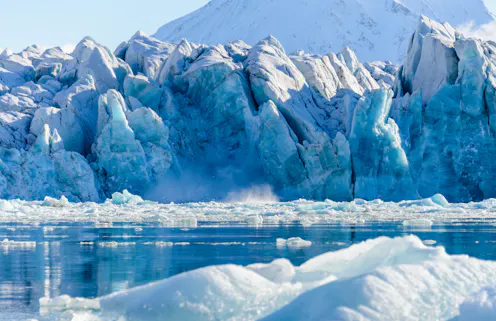
A new modelling approach improves projections of Antarctica’s future ice loss. It shows a low-emissions scenario would avoid the collapse of West Antarctica’s ice sheet and limit sea-level rise.
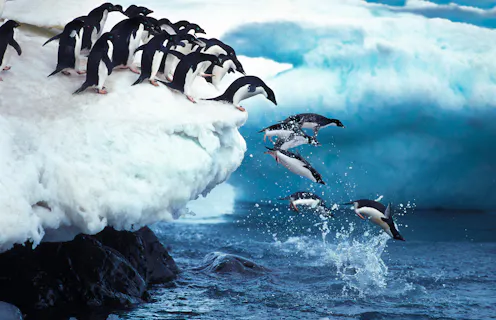
El último informe del IPCC deja claro que ya no podemos evitar que los niveles del nivel del mar suban, pero sí podemos controlar la cantidad y la rapidez con que cambian.
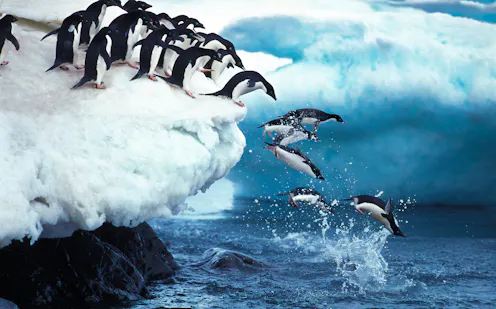
The latest IPCC report makes it clear we can no longer stop the seas from rising, but we can still control how much and how fast sea levels change.

Individual actions to reduce emissions are important in two ways. First, they have an immediate impact, and secondly, adopting low-carbon life choices sends a clear message to political leaders.
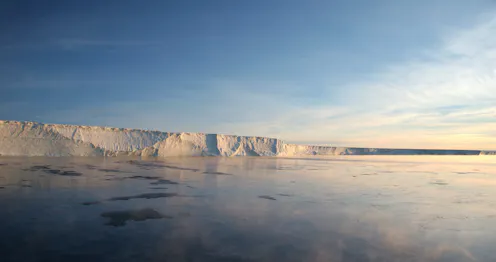
Climate scientist predict that the combined effect of ice loss in Greenland and Antarctica will be more extreme weather, with impacts on agriculture, infrastructure and human life itself.
Contact Nick for
- General
- Media request
- Speaking request
- Consulting / Advising
- Research collaboration
- Research supervision
- Article Feed
- Joined
