

A new Productivity Commission report finds regulations and costs are slowing Australia’s progress in becoming a circular economy.
- Associate Professor and Research Director, Institute for Sustainable Futures, University of Technology Sydney
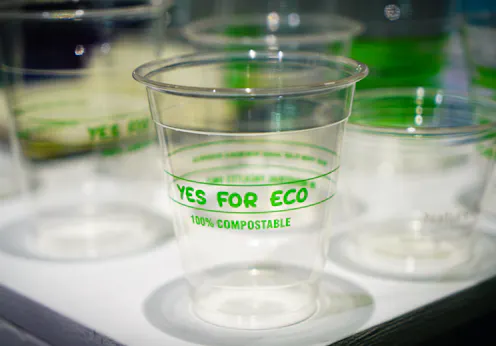
Compostable food waste bin caddies are the main sustainable use for bioplastics at present. Almost all bioplastics are ending up in landfill.
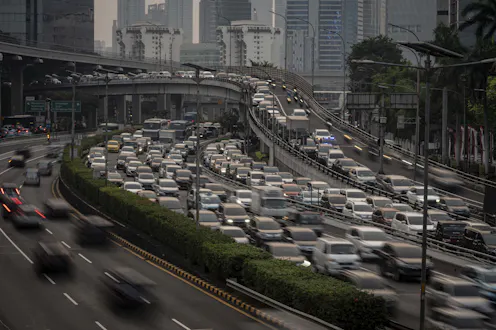
Harga BBM naik? Mari pikirkan caranya kurangi ketergantungan pada kendaraan pribadi berbahan bakar fosil.

Plastic products that claim to be ‘compostable’ aren’t great either.
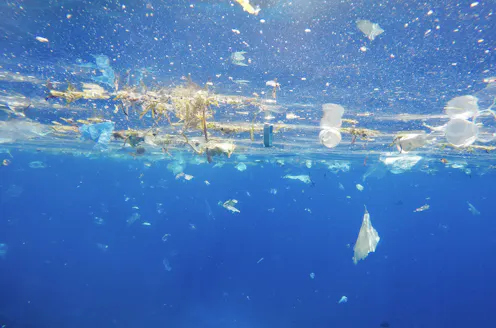
Some plastic sent overseas for recycling ends up as pollution, or goes up in toxic smoke. But there are steps we can take to ensure our waste is processed as intended.

Bisnis baru yang mempromosikan pengembalian ketimbang mendaur ulang bagi para konsumer.
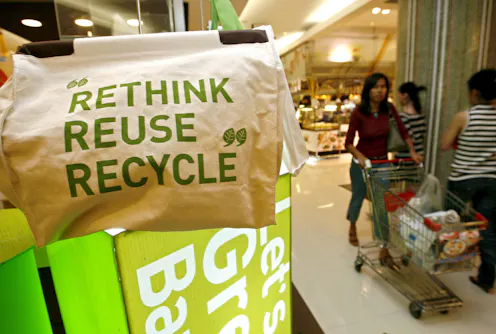
A new business is skipping recycling in favour of returning, washing and reusing sturdy containers for common groceries.
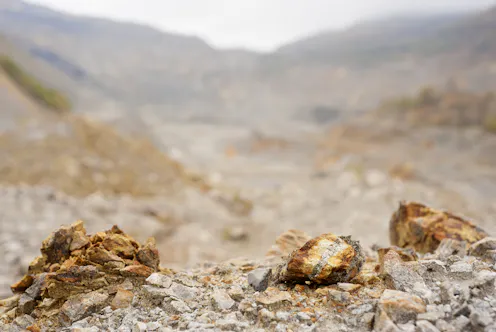
More electric vehicles and renewable energy means more mining for resources. Unless industry adopts cleaner habits urgently, the environment faces more damage.
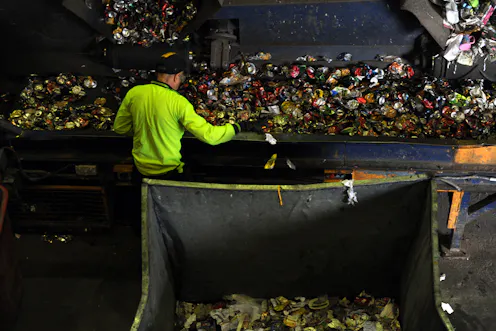
Too much recyclable packaging is still finding its way into landfill - and plastic is the biggest culprit, with two-thirds going unrecovered, according to a new analysis.
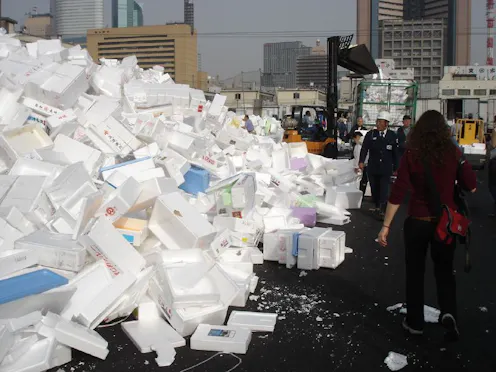
You might know expanded polystyrene as packing foam, but it’s a nightmare to recycle. Why not just turn it into something useful (or beautiful) instead?
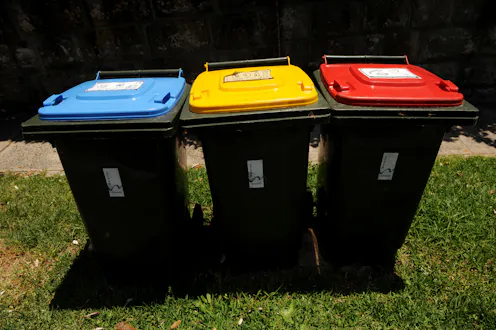
Both short- and long-term solutions are needed to solve Australia’s recycling crisis. State and federal ministers are pursuing some promising avenues, but they need to cast the net much wider.
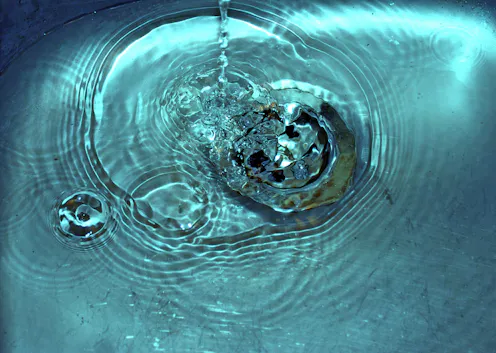
Regulation can’t keep up with the thousands of harmful chemicals that wash down our drains. Rather, companies should take responsibility for their products – before they hit the market.
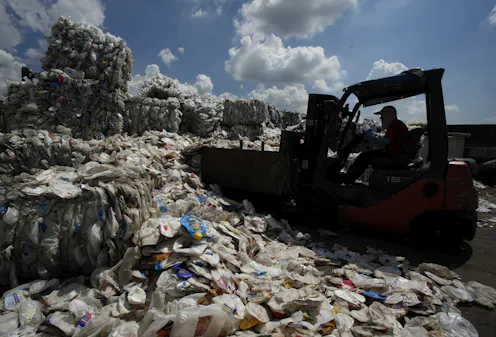
A recycling company has received tens of millions from the federal government to develop solid waste fuel. This fuel reduces landfill, shrinks our carbon footprint and protects the environment.

Australia’s relative share of global economic opportunity derived from smarter use of materials, energy and water could be $26 billion each year by 2025. Here are four ways Australia could make the most of the circular economy boom.
Contact Nick for
- General
- Media request
- Speaking request
- Consulting / Advising
- Research collaboration
- Research supervision
- Article Feed
- ORCID
- Joined
