
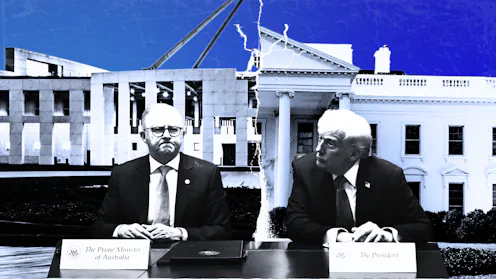
This begins with an honest recognition of the changing direction of US policy, stated plainly and directly to the Australian people.
- Pro Vice-Chancellor Research and Professor of International Studies, La Trobe University
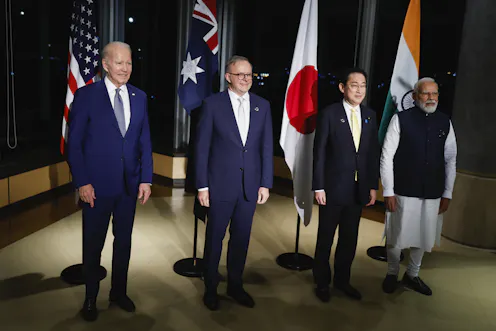
The leaders of the US, Japan, India and Autralia will again meet this weekend, but it remains to be seen if the grouping can move beyond rhetoric and into action.
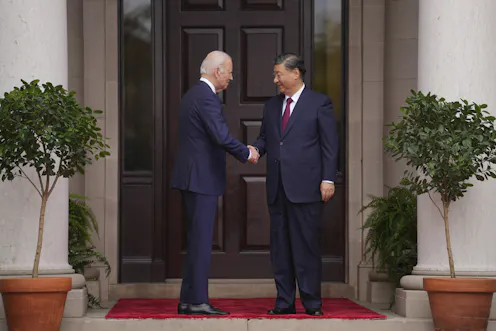
Despite a positive meeting, the contest between the world’s two biggest economies remains heated, largely without guardrails and of immense risk.
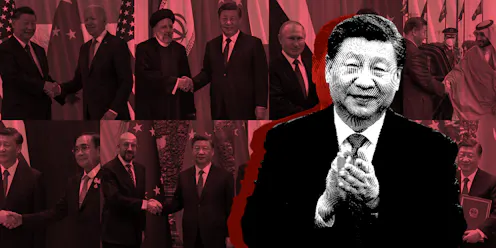
Xi may speak with both Vladimir Putin and Volodymyr Zelenskyy next week to push China’s peace plan for Ukraine, but we shouldn’t expect radical change in its foreign policy overnight.
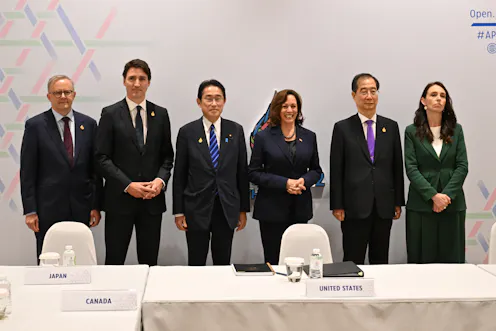
While there were positive developments out of the annual summits season, it was also clear just how significant the gaps are that exist between many of the world’s most important powers.
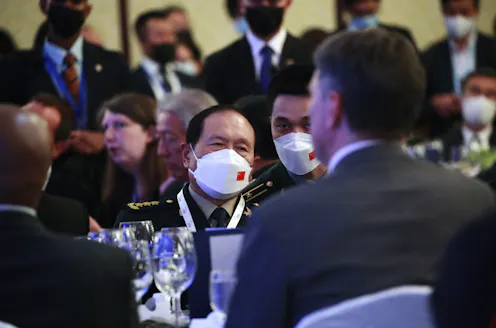
Defence minister Richard Marles’ historic trip sheds some light on the new government’s approach to national security matters.
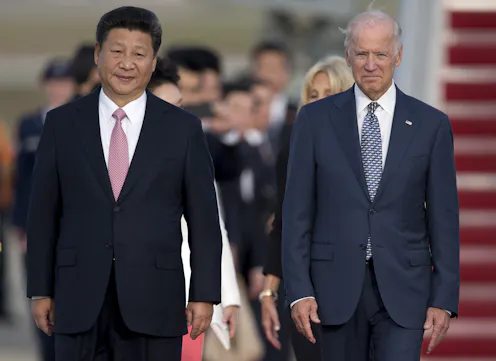
Joe Biden’s election symbolises a return to normalcy and dignity in the US’s conduct on the global stage. But the world is changing rapidly, and the president-elect will need to change with it.
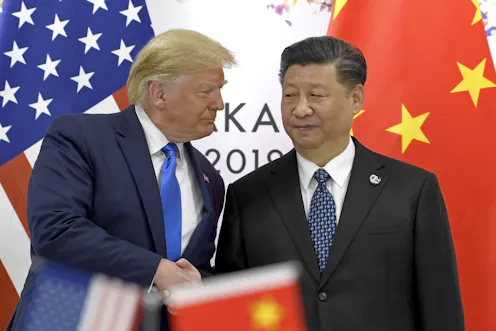
It is tempting to look back to the Cold War to make sense of current US-China relations. But we are in unchartered waters — and need a better understanding where this competition is heading.
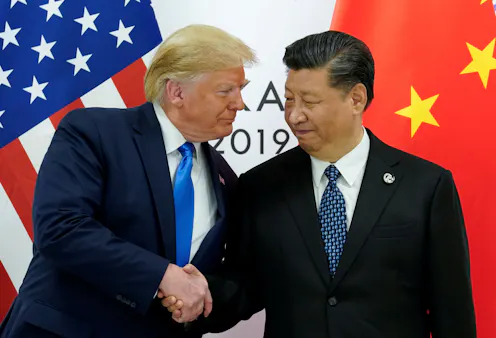
Both countries could dial back the rhetoric against one another. But neither Donald Trump nor Xi Jinping has much to gain domestically in doing so.
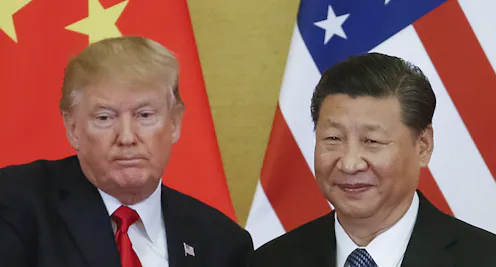
The first great power rivalry of the 21st century has begun – and it’s unlike any rivalry the world has ever seen.
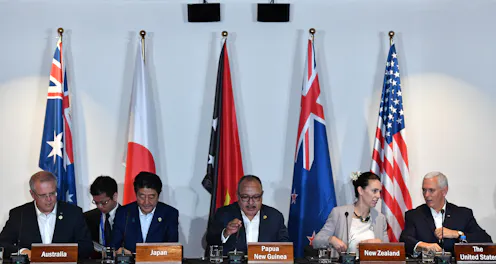
Summit season is usually a bit of a bore - worthy subjects lost in acronyms and diplomatic niceties. Not so this year as US-China tensions tore at the fabric of multi-lateralism.
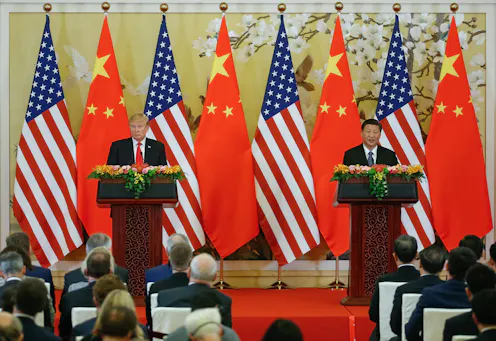
Cold War 2.0 may not be fanciful: The US and China are plainly entering a period of significant geopolitical rivalry, and each has ambitions that are mutually incompatible.
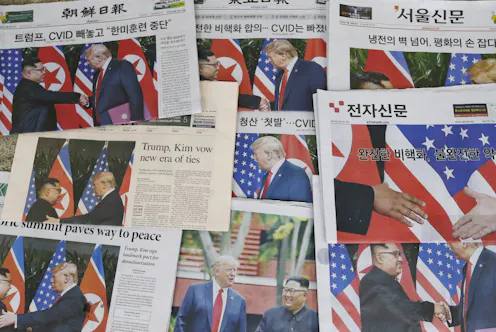
At this stage one can only judge the atmospherics and optics of the summit, and on that basis, Beijing and Pyongyang have plainly come out ahead, while Tokyo and Seoul seem to have been overlooked.
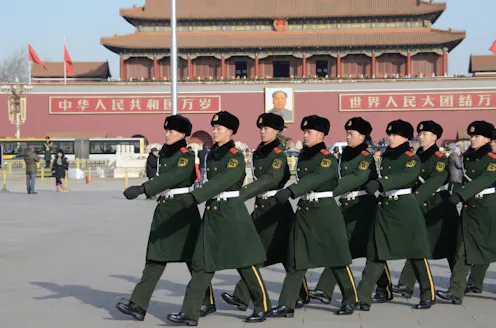
The contestation of Asia will continue this year, with many countries facing internal and external battles.
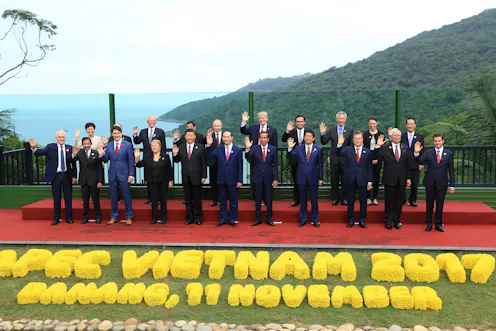
At APEC 2017, the region’s two biggest powers presented clearly different visions of the region’s economic future.
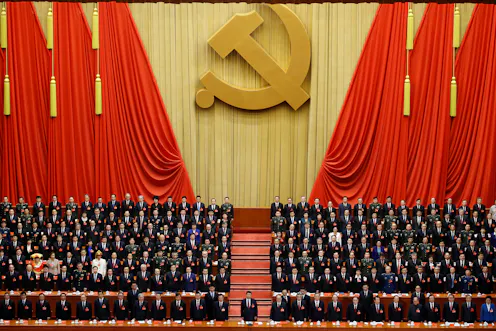
The most important political event of 2017, the 19th Chinese Communist Party Congress, has concluded. And while there was much to digest, one image above all stands out: Xi Jinping’s political dominance…
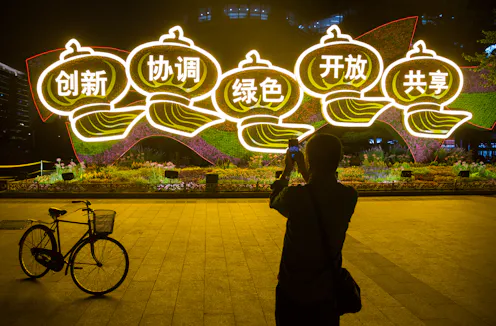
No-one knows quite how things will play out, but most likely Xi will bend the norms of the party to allow him to place enough supporters in key posts without completely upending the system.
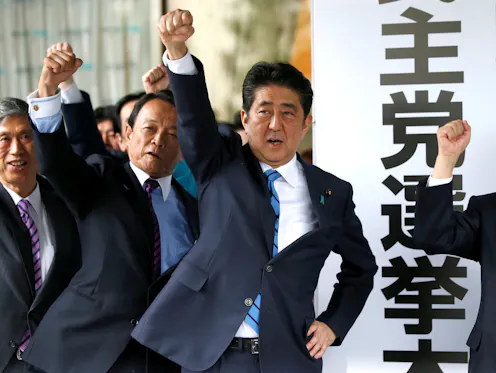
Having called a snap election for October 22, Japanese Prime Minister now faces a tough battle against a charisimatic new-comer in Yoriko Koike.
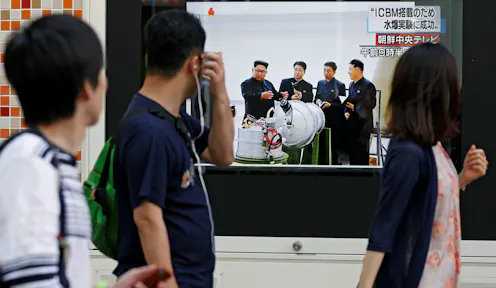
North Korea wants the security and prestige of nuclear weapons. It won’t give them up.
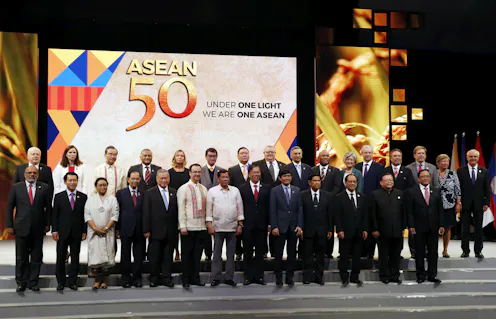
On August 8, 1967, foreign ministers from Singapore, Malaysia, Thailand, Indonesia and the Philippines signed the Bangkok Declaration to create the Association of Southeast Asian Nations or ASEAN, as it…
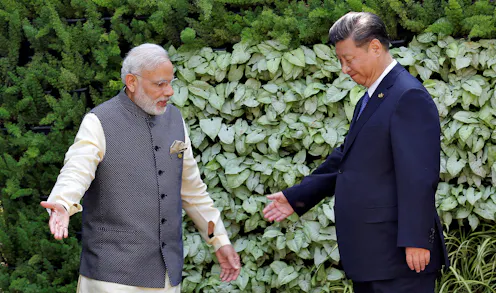
Conflict was almost baked into Asia’s post-1945 international order. Taiwan’s contested status following the communist victory in China’s civil war, and the division of the Korean Peninsula are only the…
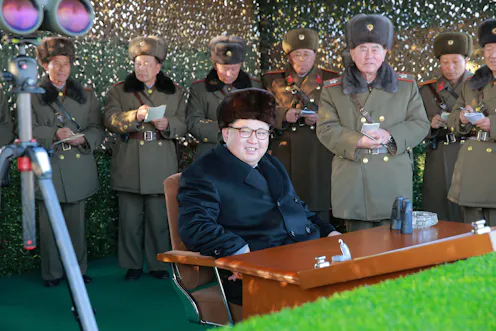
The first week of July is not normally one that brings great events in world politics. Around that time, the northern hemisphere normally shifts into summer holiday mode. Recently, this has become less…

Twenty years on from the handover of the British Crown colony, the people of Hong Kong are increasingly experiencing the vicissitudes of communism.
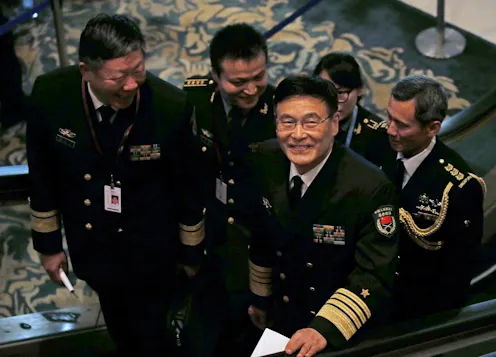
For the first time in the dialogue’s 15 year history, the country most are puzzled about is not China.
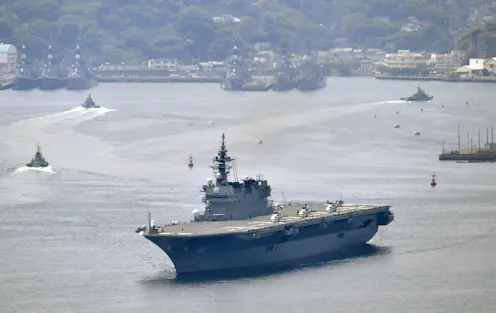
In many respects, Japan’s constitutional debate is a microcosm of Asia’s international order, relfecting a basic mode of operation now past it use-by date.
Contact Nick for
- General
- Media request
- Speaking request
- Consulting / Advising
- Research collaboration
- Research supervision
- Location: Melbourne
- Website
- LinkedIn: nick-bisley-b6904a8
- X (formerly Twitter): @NickBisley
- Article Feed
- ORCID
- Joined
