

Why not let scientists vote for who they think should get grant funding for their research?
- Professor of Health Economics, Duke-NUS Medical School

One of the few real surprises in the budget was the creation of medical research future fund, to be partly funded by the introduction of a $7 GP co-payment. This injection of money provides an opportunity…

The winners and losers of the 2013 National Health and Medical Research (NHMRC) Project Grants were announced in October. A record low success rate of just 16.9% (down from last year’s 20.5%) meant the…

In the eighth part of our series Health Rationing, Philip Clarke and Nicholas Graves suggest ways to make the health-care system more efficient and affordable. Who would want be the health minister? If…

Universities drive a knowledge economy, generate new ideas and teach people how to think critically. Anything other than strong investment in them will likely harm Australia. But as Australian politicians…
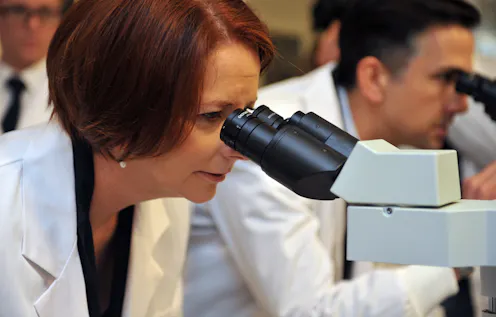
The McKeon review of health and medical research has reduced its short term funding bid in the face of current federal budget pressures. The draft review, released in October last year, suggested an additional…

Each year $120 billion is spent on health services in Australia. But hardly any research is done to investigate whether this money is being used wisely. Only 2.8% of the funding for NHMRC project grants…

The World Health Organization’s recent decision to categorise diesel fumes as carcinogenic is yet another reminder of the negative health effects of traffic pollution. Cancer can now be added to a list…
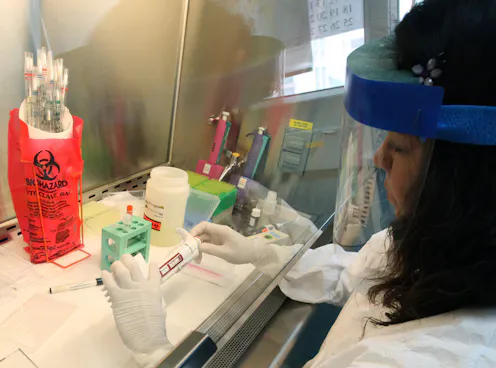
Chance is something researchers feel could be important when their applications for scientific research funding are assessed and discussed in peer review. Now this hunch has been supported by an analysis…
Contact Nicholas for
- General
- Media request
- Speaking request
- Consulting / Advising
- Research collaboration
- Research supervision
- Location: Singapore
- Website
- Article Feed
- ORCID
- Joined
