

Working from home has become a contentious election issue, particularly for the Coalition which has swung from opposing to embracing it.
- Honorary Professor of Planning, The University of Queensland
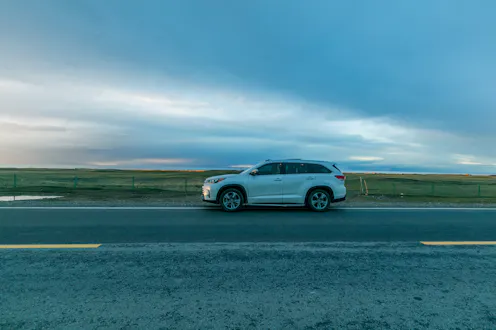
Emissions from city drivers have largely fallen, while emissions from rural and regional drivers have risen.
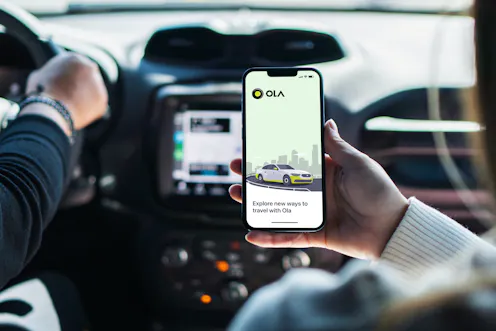
The high-profile Indian startup is under pressure from rivals at home and is also preparing to list on the stock exchange.
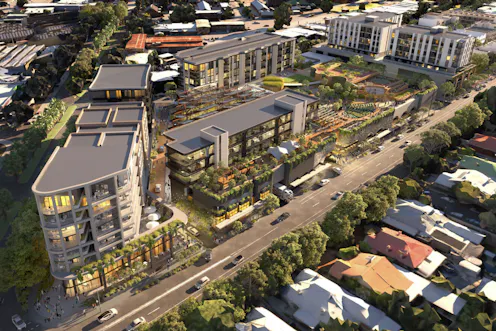
Infill development is patchy across Australian cities, as is its quality. Bigger and better projects are needed to hit planning targets and reduce urban sprawl.
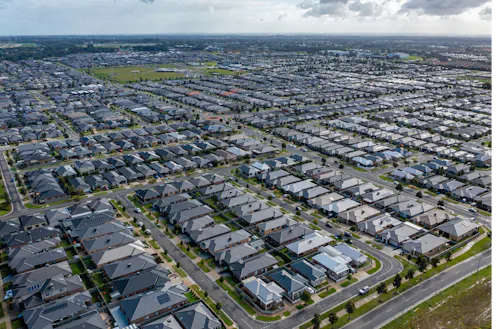
People in search of more affordable housing gravitate to the outer suburbs, but may then find higher transport costs erase the benefit of lower mortgage payments.
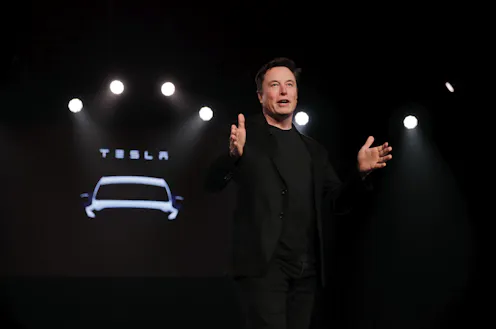
The autonomous vehicle revolution was, according to its proponents, meant to have transformed daily travel by now. But they underestimated the task of developing a safe, truly driverless vehicle.
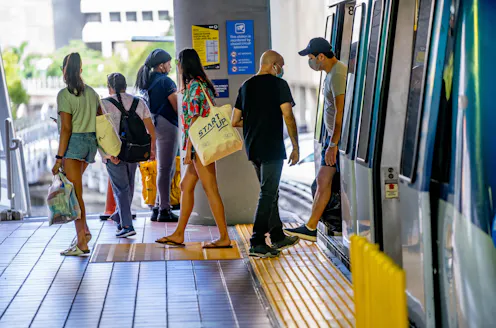
Around the world, very few public transport agencies make money, while ride-sharing companies are making huge losses. So why partner up, and how do those partnerships work?
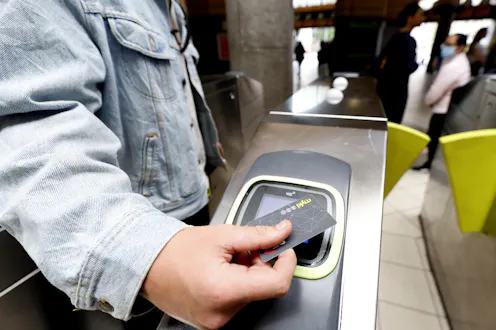
The Victorian government has announced it is replacing the state’s public transport ticketing system. So what essential features should a state-of-the-art system offer users?
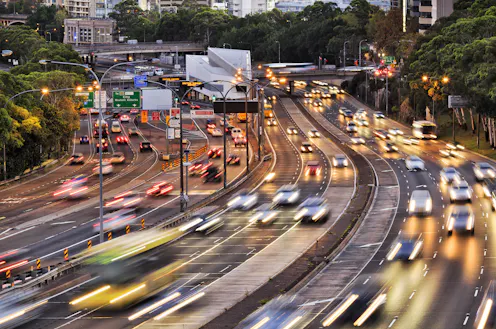
Car use and cycling have soared to above pre-pandemic levels in our biggest cities (Melbourne is an obvious exception). Walking is not far behind, but public transport is being shunned.
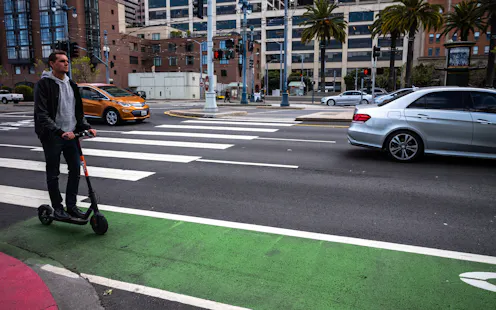
Over US$33 billion was invested in mobility tech last year in response to claims it will transform our lives. Based on what we have seen so far, which of these promised solutions will be delivered?

The global trend is to free up valuable city space by reducing parking and promoting other forms of transport that don’t clog roads and pollute the air. Australian cities are still putting cars first.

The inner cities of Australia’s major state capitals are failing to meet the needs of families in terms of space, amenities and affordability.
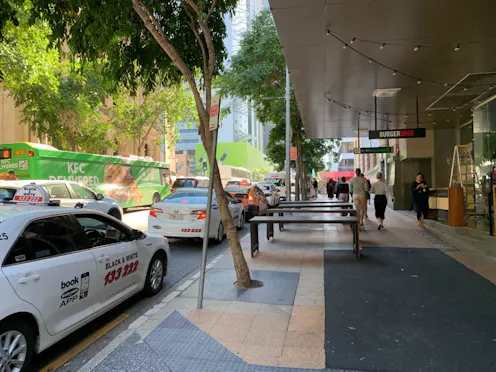
Cities must manage all the competing uses for limited roadside space to avoid congestion and maximise efficiency. And that begins with reliable data.
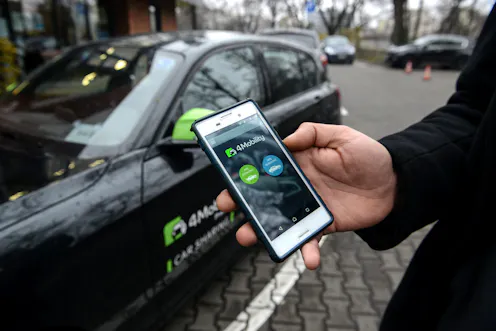
Investment is pouring into urban technology, much of it into innovative ventures that aim to transform how we get around our cities.

Apps that seamlessly combine all our travel options could be the most significant transport innovation since the automobile, but early trials show government policy support is vital to make MaaS work.
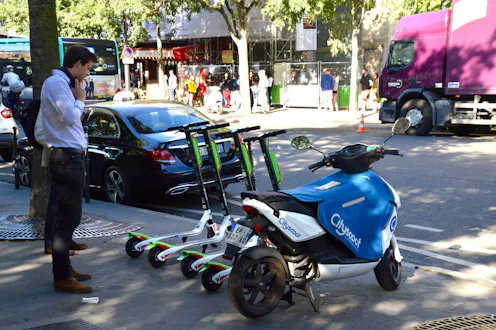
Shared electric scooters appeal as a way to cover that awkward distance between public transport stops and your destination. But first e-scooter operators must solve the littering and dumping problem.
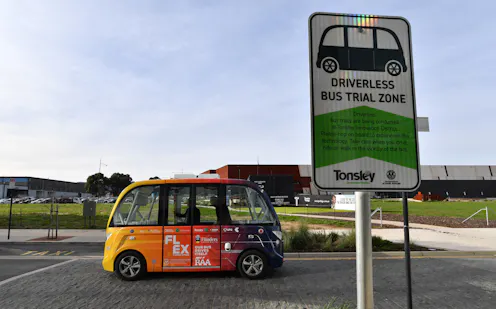
To maximise the benefits and limit the costs, the use of autonomous vehicles should be pooled and their access to the city restricted.

New analysis reveals just how little is spent on cycling and walking projects around Australia. No state’s spending on cycling is more than 1.5% of its road funding.

Given the challenges Australian cities face, the need for urban planning based on solid research is greater than ever. Sadly, when it comes to research funding, planning is at the back of the queue.
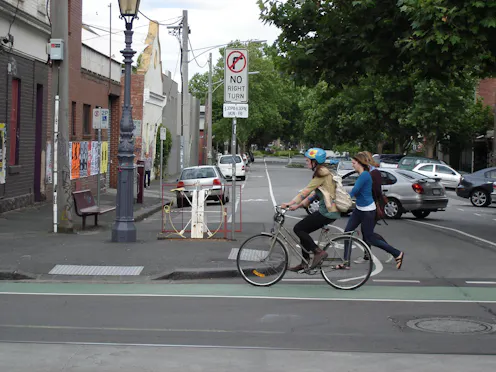
A comparison of Australian cities reveals cyclists and walkers are still very much a minority of commuters, despite the economic, health and environmental costs. Action on three fronts is needed.

Movies often portray the city as a dystopia, particularly in the ‘neo-noir’ genre, which explores postmodern themes. TV shows and ads present an altogether sunnier picture of life in the city.
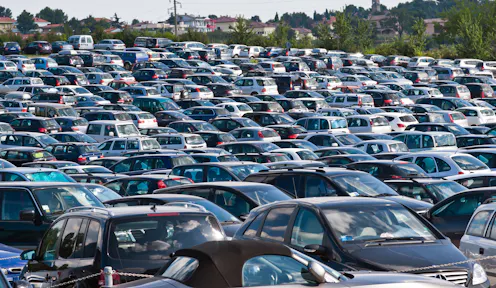
Cities around the world are starting to rethink the vast areas of land set aside for parking. The convergence of several trends likely will mean this space becomes available for other uses.
Contact Neil for
- General
- Media request
- Speaking request
- Consulting / Advising
- Research collaboration
- Location: Brisbane, Australia
- Website
- X (formerly Twitter): @ngsipe
- Article Feed
- ORCID
- Joined
