
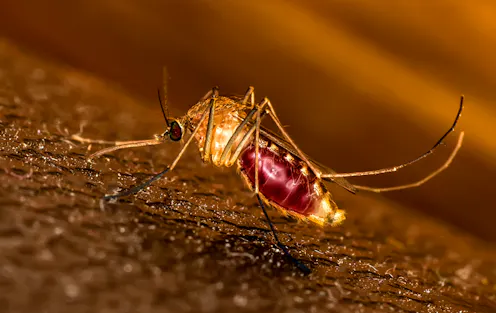
Neste episódio do The Conversation Weekly do Reino Unido, ouvimos os cientistas por trás da nova vacina contra a malária desenvolvida pela Universidade de Oxford.
- Science + Technology Editor, The Conversation
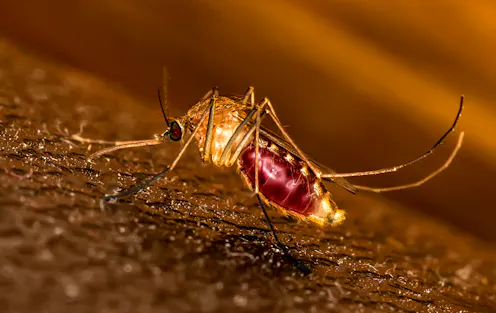
In this episode of The Conversation Weekly, we hear from the scientists behind a new malaria vaccine developed by the University of Oxford.

O filme anunciou uma nova era em efeitos cinematográficos, reviveu o campo da paleontologia e levantou questões sobre a ética nas pesquisas de DNA

Jurassic Park was a technological breakthrough for film because of its use of CGI. It also revived an interest in paleontology and raised ethical questions about DNA use.
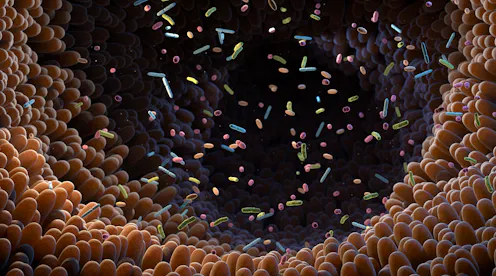
In the past two decades, technology has allowed scientists to learn so much more about the human body and its microbiomes. These discoveries may pave the way to new therapies.
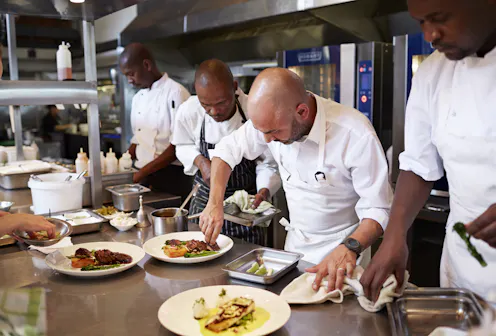
Immigrant chefs and cuisines are often constrained by Eurocentric definitions of what constitutes good food. As immigrant groups become more assimilated into US culture, so does their food.
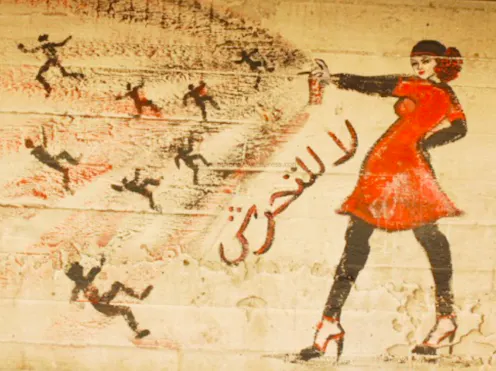
From the Arab Spring to the Belarus Awakening and the ongoing Iranian protest Women, Life, Freedom, female-centered imagery and social media are battlegrounds of resistance and oppression.
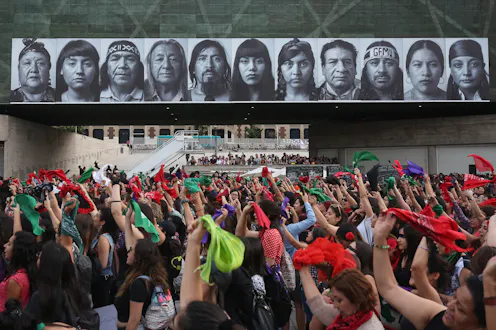
People across Latin America are demanding greater political participation. Some countries, including Colombia and Chile, have responded by involving citizens in the making of their constitutions.

Being beautiful can improve a person’s quality of life and emotional wellbeing. But sometimes, there is a risk of harm — from exposure to cancer-causing UV light, to cheap cosmetic procedures.

Governments and activist groups are bringing environmental issues to international courts. They argue that the impact of climate change and environmental issues affect human rights.
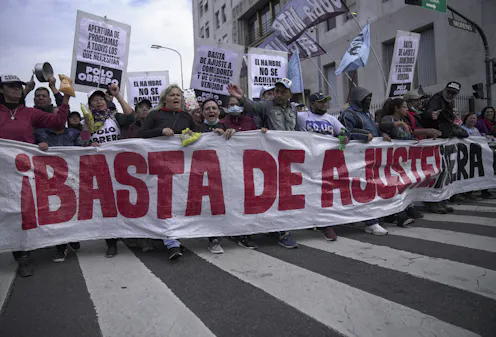
The conditions placed on countries borrowing money from the International Monetary Fund have further disadvantaged these countries economically.
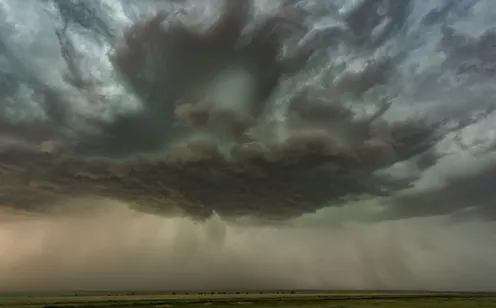
Cloud seeding – spraying materials into clouds to increase precipitation – has been around for nearly 80 years. But only recently have scientists been able to measure how effective it really is.

Because of its historical social and economic significance, conservation of sandalwood should consider cultural diversity.

Climate innovation prizes only make up a small amount of climate research funding but are very high-profile events.

With the proliferation of social media platforms, smart devices and apps, the demands on our attention have never been greater. But how is this affecting our ability to process and retain information?
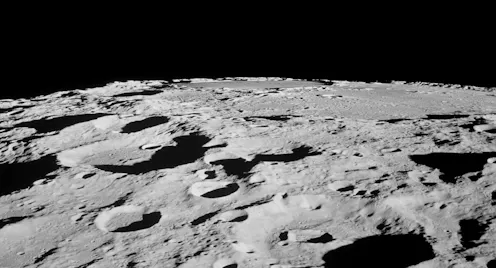
A US-led coalition and China are both planning to establish bases on the Moon. How the two nations will navigate actions on the Moon and how other countries will be involved is still unclear.

The U.S.-led invasion of Iraq in 2003 led to civilian death and displacement. Twenty years later, Iraqis are telling their stories of conflict and trauma as they move towards healing.

New technologies are often surrounded by hopeful messages that they will alleviate poverty and bring about positive social change. History shows these assumptions are often misplaced.

Political will is necessary for governments to move away from oil. But alternative energies are not all that they seem, and should be considered carefully beyond the appearance of sustainability.

Public health measures in response to the COVID-19 pandemic meant that many people experienced social isolation. But the pandemic didn’t invent loneliness, and its impacts on our health are growing.
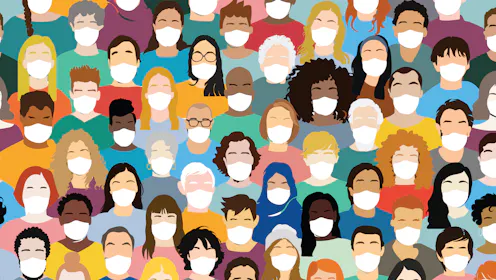
Medicine works better when the treatments are tailored to fit each individual person’s biology and history. A first step is increasing diversity in clinical trials, but the end goal is precision medicine.

During the global COVID-19 pandemic, people started moving into smaller cities, drawn by the possibility of more affordable and pleasant quality of life.
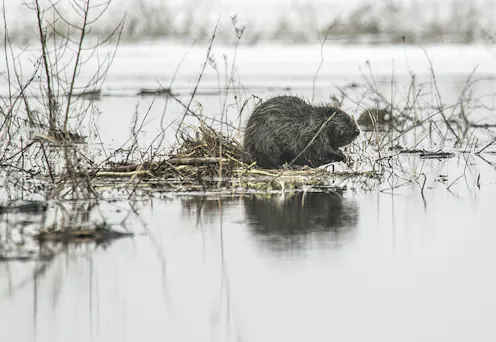
Restoring entire ecosystems is a difficult and expensive process. Thankfully, certain species, called ecosystem engineers, can make restoration easier. Gaining social and political support is critical too.

Amid further strain on public funding, we ask: What’s the future of the welfare state in developed and developing nations?
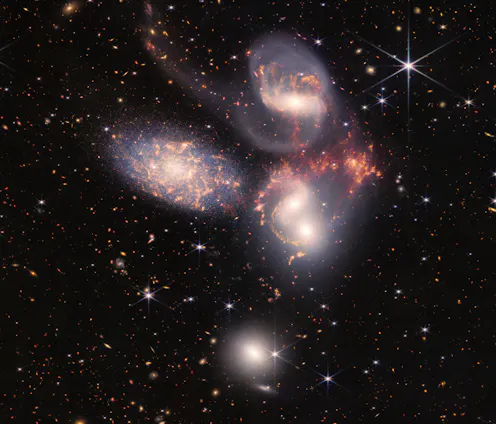
It has been one year since the launch of the James Webb Space Telescope and six months since the first pictures were released. Astronomers are already learning unexpected things about the early universe.
Contact Nehal for
- General
- Media request
- Speaking request
- Consulting / Advising
- Research collaboration
- Research supervision
