

Canadian courts are increasingly holding governments accountable for violating their citizens’ human rights by not doing enough on climate change.
- Full Professor, Faculty of Law, L’Université d’Ottawa/University of Ottawa

La Cour suprême du Canada a reconnu la gravité du changement climatique et a justifié le pouvoir du Parlement d’adopter des lois en vue d’assurer « la paix, l’ordre et le bon gouvernement ».
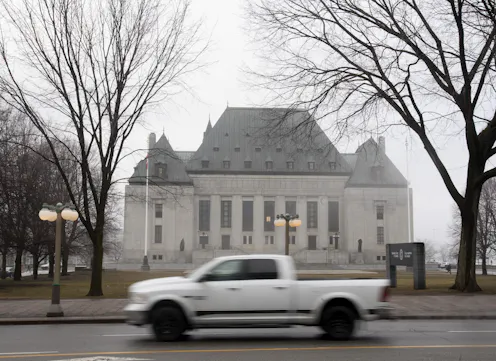
In its decision, the Supreme Court of Canada recognized the gravity of climate change and upheld the idea that Parliament has the authority to act on matters of “peace, order and good government.”
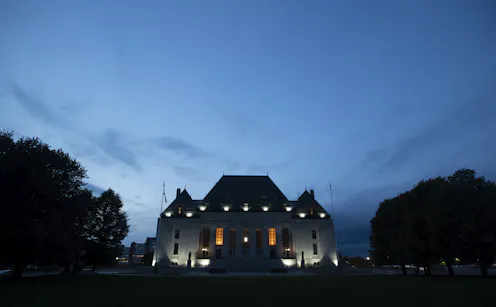
The Paris climate change agreement aims to limit global warming to 1.5C above pre-industrial temperatures — and the federal carbon pricing plan was meant to help Canada meet its commitments.

A ruling by the Saskatchewan Court of Appeal recognizes the threat of climate change, but its approach is too narrow.
Contact Nathalie for
- Media request
- Speaking request
- Research collaboration
- Location: Ottawa, Canada
- Website
- X (formerly Twitter): @N_Chalifour
- Article Feed
- Joined
