
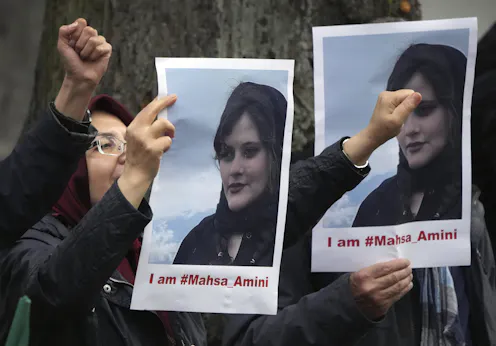
Public support for the latest protests in Iran is unusually high and widespread. Demonstrations are underway in cities large and small, neighbourhoods rich and poor.
- Senior lecturer, National School of Arts, Australian Catholic University
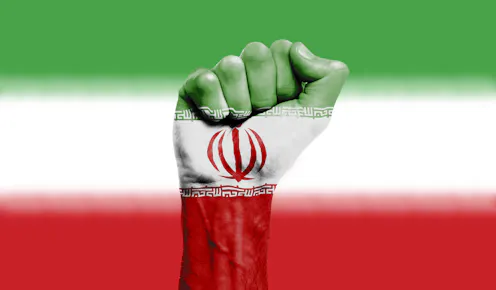
Reformers have tried to modernise Iran for decades but have failed mainly due to the country’s powerful theocracy. And then there are those who want to overthrow the regime altogether.
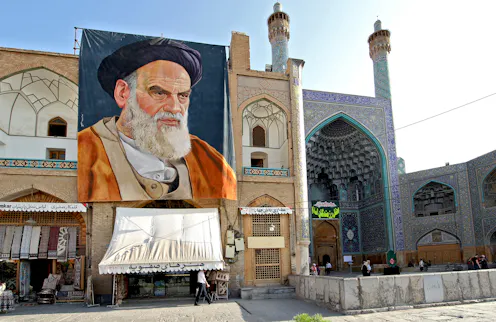
Reformists are calling for the emancipation of religion from a state that’s seen to exploit Islam for purposes of political power. This remains the most formidable challenge to Iran’s ruling clergy.
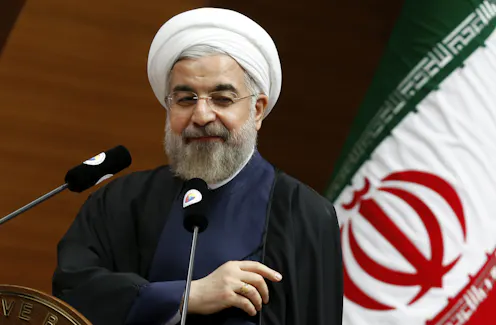
In both domestic and international politics, Iran’s ruling clergy is enjoying a much more secure position than previously.
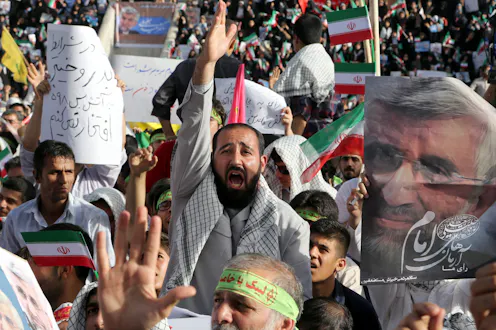
Iranian elections have often been the country’s Achilles heel, or as Iranians say, pashneye achil. Since the Islamic Republic of Iran’s inception in 1979, the ruling clergy has incorporated electoral procedures…
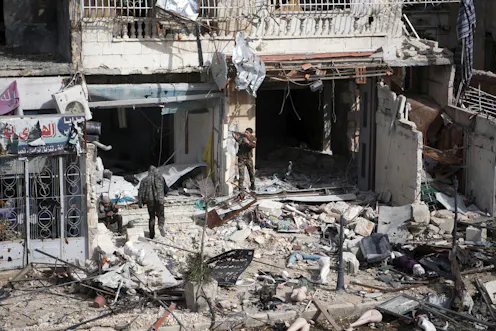
The horror of the Syrian conflict appears to know no bounds. Every day brings news of a new atrocity and it is clear that both the rebels and the Assad government are guilty of human rights abuses on an…
Contact Naser for
- General
- Speaking request
- Consulting / Advising
- Research collaboration
- Research supervision
- Location: Melbourne
- Website
- Article Feed
- ORCID
- Joined
