
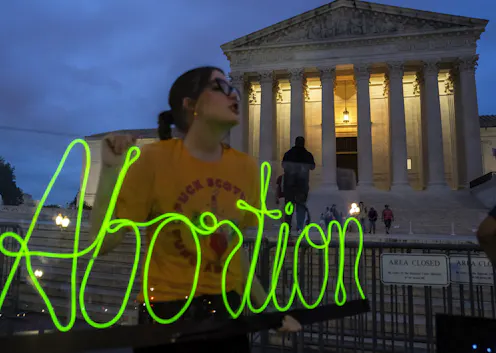
While both Congress and the president have extensive powers, they cannot easily change the law to protect abortions.
- Professor of Law, University of Virginia

Marriage on its own won’t do away with child poverty, and in fact it can create even more instability for low-income families.
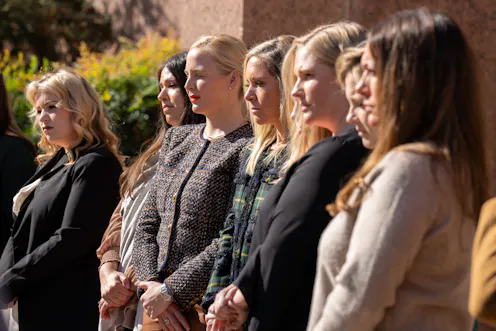
Women in Texas and in other states with abortion bans are suing, asking for clarification on when medical exceptions could actually be granted.
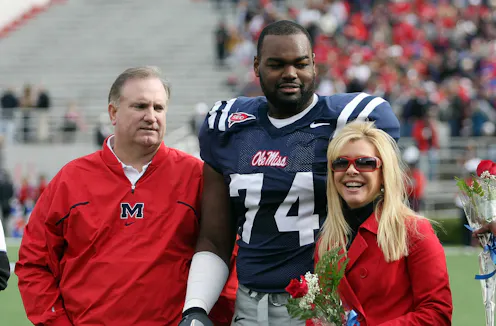
Two very distinct legal processes are at issue in the Michael Oher case.
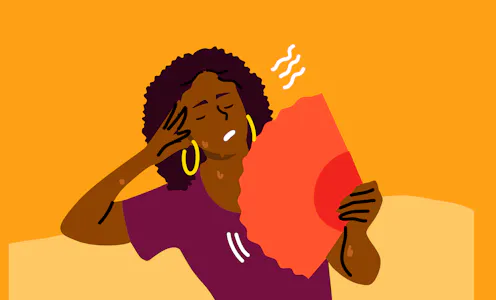
Three scholars who are writing a book about menopause and the law suggest ways to protect women experiencing it.
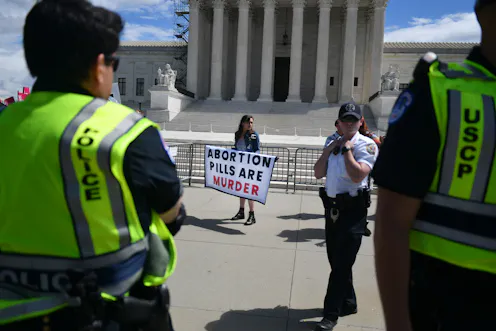
The 1873 Comstock Act makes it a crime to mail abortion drugs or medicine – raising legal questions about the law’s potential revival and influence over nationwide abortion laws.
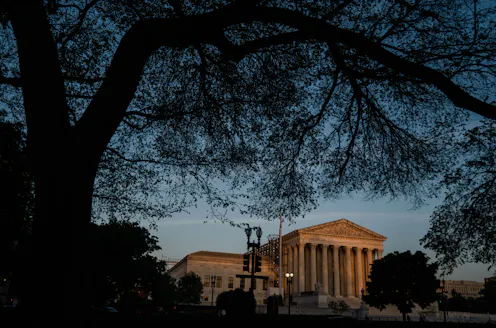
Many people wonder how courts can rule in contradictory ways. But it happens relatively frequently.

Just like the rest of us, celebrities take different approaches to deciding who gets the engagement ring when they get engaged but never tie the knot.

A rash of pending lawsuits raises questions about the FDA’s approval of mifepristone two decades ago, whether the drug can be legally mailed and the constitutional right to interstate commerce.

States taking the strictest stands against abortion tend to have among the worst statistics in the nation on child and family well-being.
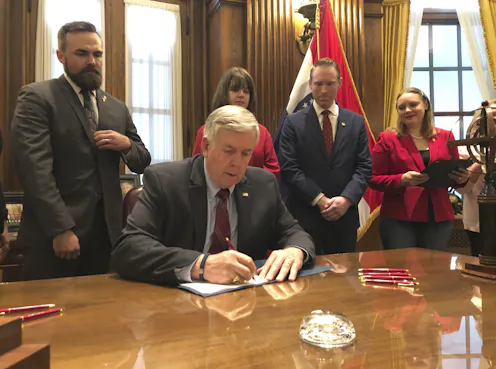
There are 13 states with so-called ‘trigger laws’ that aim to ban abortion now that the Supreme Court has overturned Roe v. Wade. But what actually must happen for the laws to take effect?

A pending bill in Colorado would disclose donor information to children and their parents and set limits on how many families can use a single individual’s egg or sperm.

Many people are filing lawsuits after discovering that sperm banks failed to verify information from donors about their medical and personal backgrounds.

Spears’ battle to end her conservatorship may lead to reforms.
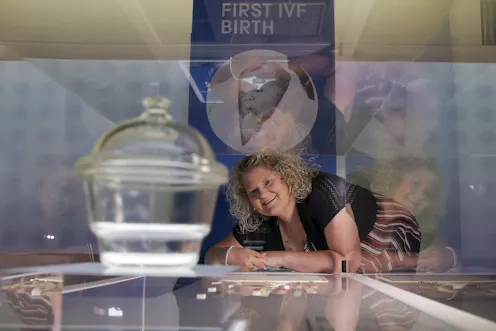
An unknown number of people have lost their dreams of parenthood because of storage disasters at fertility clinics. These experts note poor government oversight and the need for stronger regulation.

The case of Britney Spears, who is trying to end her father’s conservatorship, illustrates why the legal arrangement is rife for abuse.
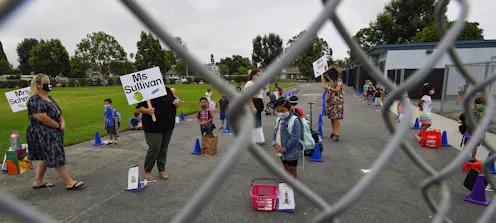
When the federal government doesn’t intervene during downturns, the states often cut school spending. In turn, teachers may earn less or lose their jobs. And three in four teachers are female.
Contact Naomi for
- General
- Media request
- Speaking request
- Consulting / Advising
- Research collaboration
- Research supervision
- Location: Charlottesville, Virginia, U.S.
- Website
- X (formerly Twitter): @naomicahn
- Article Feed
- ORCID
-
- Joined
