

The Los Angeles fires may be the most costly natural disaster in US history. An expert on safety, risk reduction and complex systems calls for a blue-ribbon commission to analyze their causes.
- Professor of Engineering and International Relations, University of Southern California
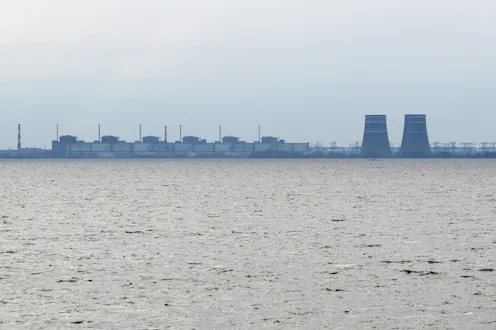
The International Atomic Energy Agency says the plant has enough water to last for several months. What happens afterward or if the remaining water is lost to the war could lead to a disaster.

Russia and Ukraine have blamed each other for the attack on crucial civilian infrastructure. Experts explain what the incident means for future war plans, and for the safety of the affected region.
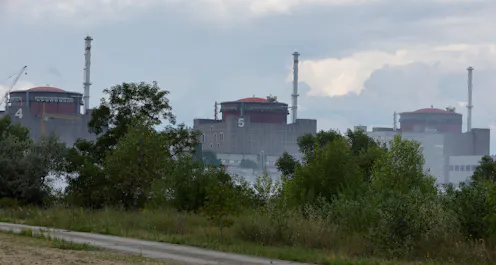
The power plant’s sixth reactor has been shut down, all but eliminating the risk of a nuclear meltdown. But fighting at the site could still release radioactive material.
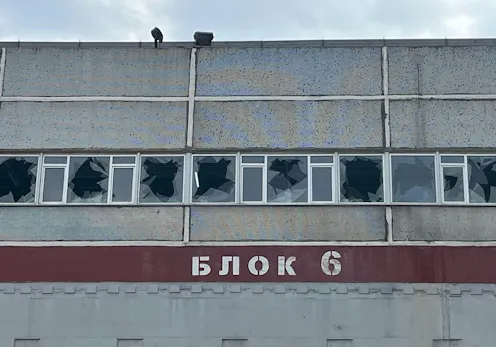
Artillery shelling, stressed-out technicians and power supply disruptions increase the chances of catastrophe at the Zaporizhzhia nuclear power plant, Europe’s largest.
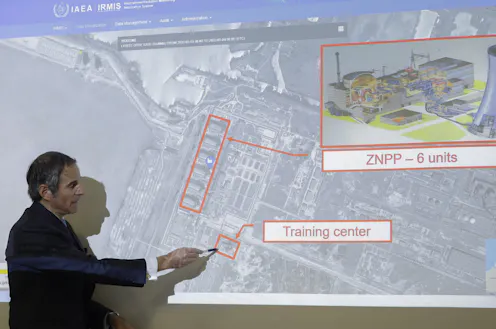
The world held its collective breath as Russian troops battled Ukrainian forces at the Zaporizhzhia nuclear power plant. The battle is over and no radiation escaped, but the danger is far from over.
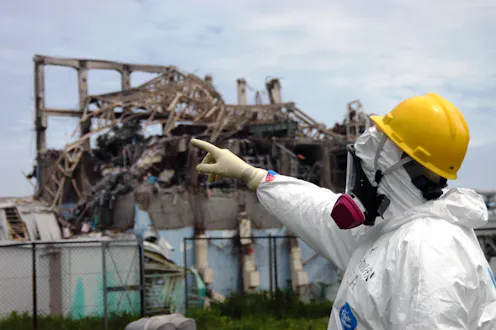
En el décimo aniversario de la catástrofe nuclear de Fukushima, dos expertos explican por qué las decisiones humanas son más importantes para la seguridad nuclear que la tecnología, y por qué el trabajo está lejos de estar terminado.
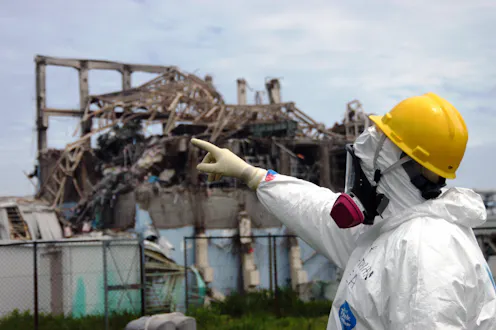
On the 10th anniversary of the Fukushima nuclear disaster, two experts explain why human choices are more important to nuclear safety than technology, and why the job is far from finished.
Contact Najmedin for
- General
- Media request
- Speaking request
- Consulting / Advising
- Research collaboration
- Research supervision
- Location: Los Angeles, California, U.S.
- Website
- Article Feed
- Joined
