

The country, and the world, have been losing diesel refining capacity for many years and can’t just ramp up production to fill the shortages.
- Professor of Public Policy and Director of the Payne Institute, Colorado School of Mines
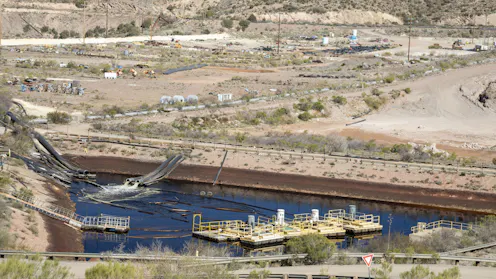
There’s lots of copper in the ground, but demand is already outstripping usable supply – and the shortfall is likely to get worse.
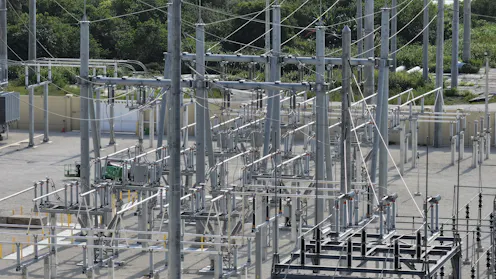
The equipment needed to keep the grid running is hard to make, and materials are limited. And supply-chain bottlenecks are taking years to clear.
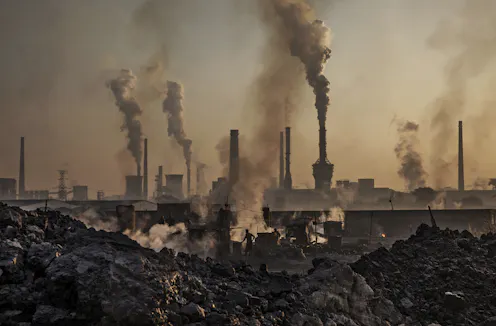
Industry is a leading climate polluter: Our road map shows what’s needed to cut industrial emissions in fast-growing countries.
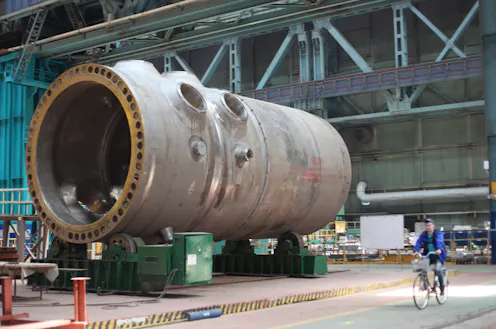
Russia isn’t a major producer of uranium, but it handles a large share of the steps that turn it into nuclear fuel. That makes it a major player in this globalized industry.
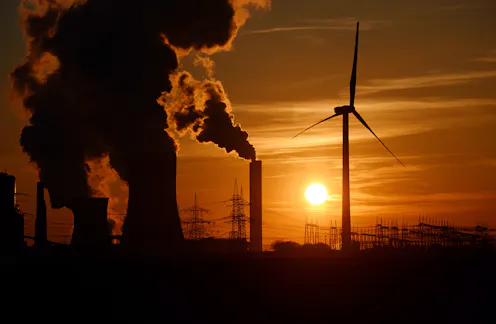
Clean energy innovation, giving up coal, cutting methane and getting China and India on board for net-zero can deliver progress at COP26.
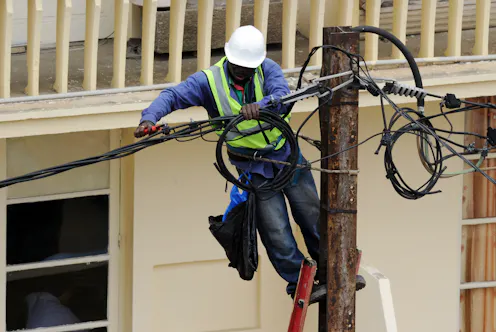
Major international donors, including the US and UK, are pledging to stop funding fossil fuel projects overseas, but they aren’t making the equivalent cuts at home.
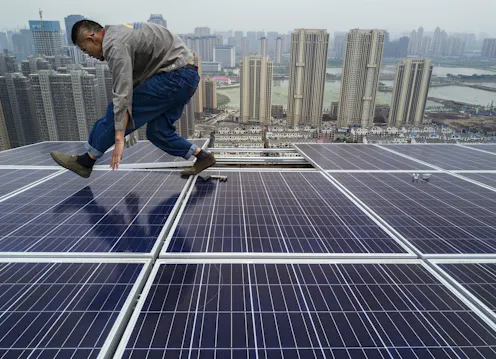
Energy and climate policies aren’t always headed in the same direction, but if they work together they can tackle two of the biggest challenges of our time.
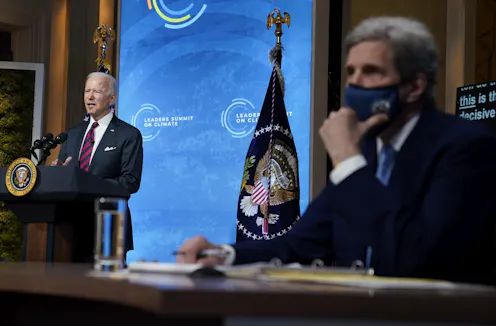
Two energy and climate policy experts take a closer look at the Leaders Summit on Climate, the US pledge and today’s industrial reality.

Right now, the nation is almost entirely dependent on other countries for minerals that are used in everything from wind turbines to strike fighters and satellites.
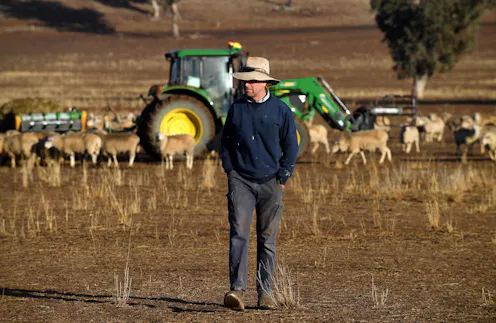
The US is formally back in the Paris climate agreement as of today. As one of the world’s largest greenhouse gas emitters, it has a lot of work to do, with food security, health and safety at stake.
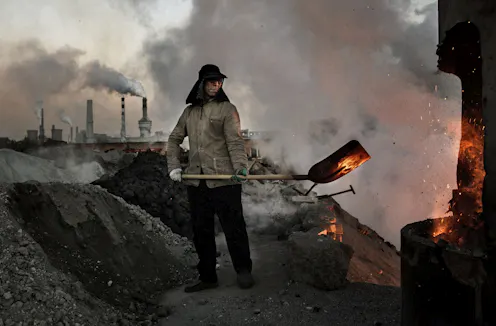
Bold visions for slowing global warming have emerged from all over the world. What’s not clear is how countries will meet them.
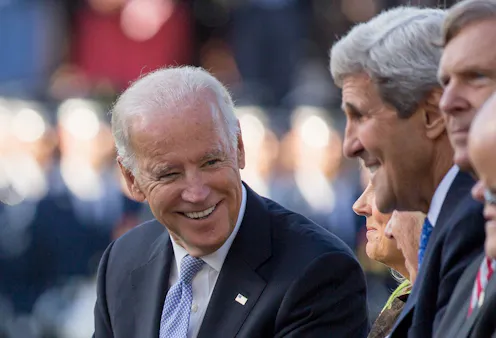
Choosing former Secretary of State John Kerry as climate envoy is the first step. To regain trust, the U.S. will also have to take concrete actions to cut its own greenhouse gas emissions.
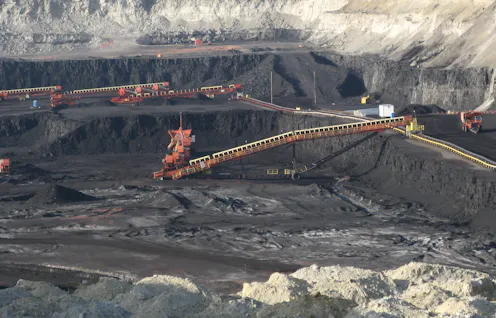
The pandemic recession has reduced US energy demand, roiling budgets in states that are major fossil fuel producers. But politics and culture can impede efforts to look beyond oil, gas and coal.
Contact Morgan for
- General
- Media request
- Speaking request
- Consulting / Advising
- Research collaboration
- Research supervision
- Location: Golden, Colorado, U.S.
- Website
- X (formerly Twitter): @MBazilian
- Article Feed
- Joined
