
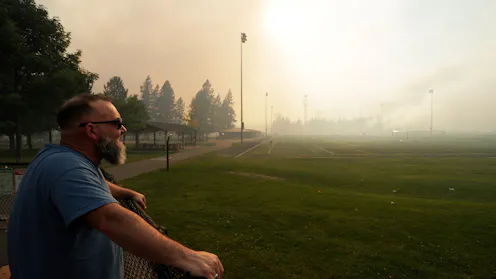
Extreme fire conditions converged in suburban neighborhoods built into the forests, shrubland and grasslands and quickly spread.
- Associate Professor of Civil Engineering, Boise State University
- Senior Fellow, Institute for Water, Environment and Health (UNU-INWEH), United Nations University
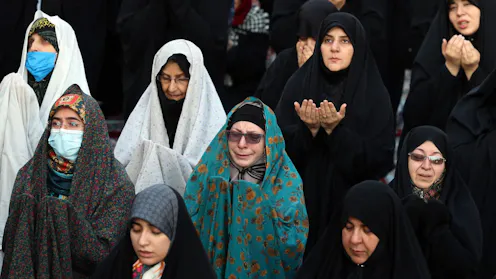
L’expansion urbaine de l’Iran et le choix d’une agriculture gourmande en eau ont rendu le pays vulnérable à la sécheresse. Certaines mesures pourraient toutefois y remédier.
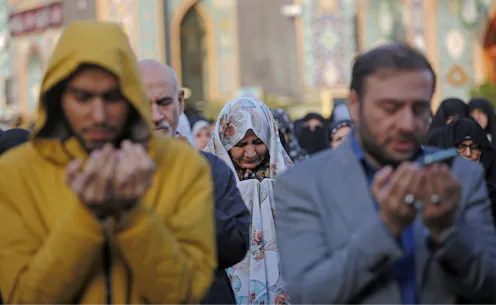
Iran’s sprawling cities and irrigated agriculture, along with tight market controls, have left the country vulnerable to drought. There are steps that would help.
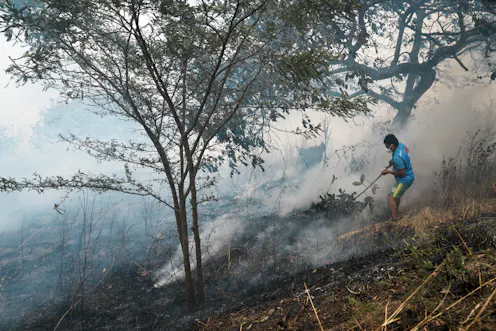
Even though you may mostly hear about fires in the US, Canada, Europe and Australia, it’s Africa that has far and away the most acreage burned and people exposed to fire.
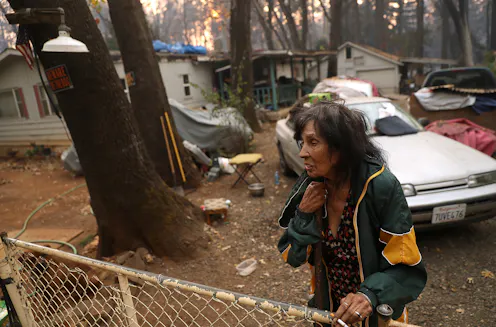
Alarmingly, about half the people exposed to wildfires in Washington and Oregon were those least able to afford to protect their homes, evacuate safely and recover.
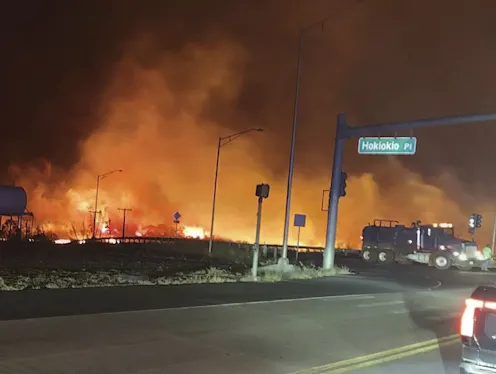
Human exposure to wildfires in the US more than doubled in the past two decades. A climate scientist looks at who is at risk and why.
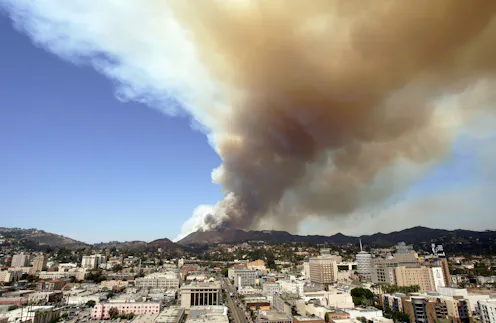
Nearly 22 million people lived within 3 miles of a US wildfire in the past two decades. A new study tracking their locations flips the script on who is at risk.
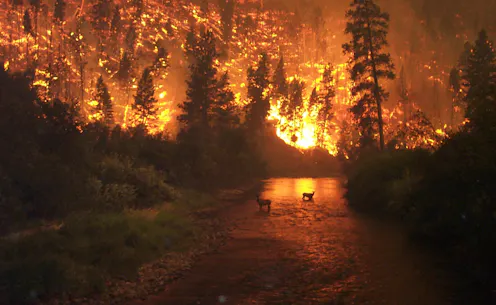
Fires here can affect meltwater timing and water quality, worsen erosion that triggers mudslides, and much more, as two scientists explain.
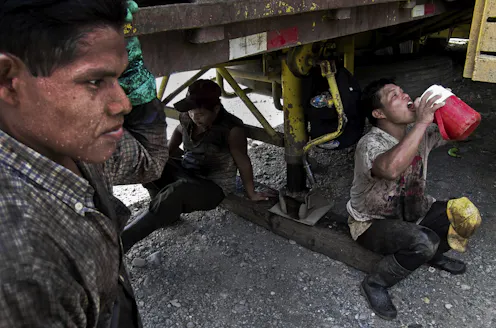
The risk from heat waves is about more than intensity – being able to cool off is essential, and that’s hard to find in many low-income areas of the world.
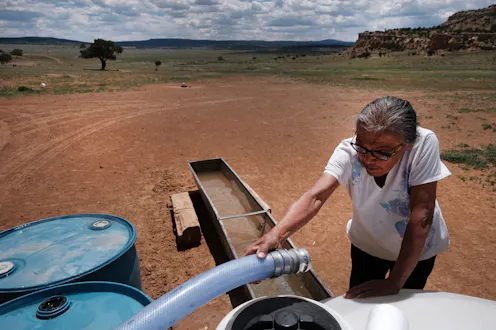
Cities and farmers in the Southwest are resorting to unsustainable strategies to pull in more water. Iran has tried many of these strategies and shows how they can go wrong.
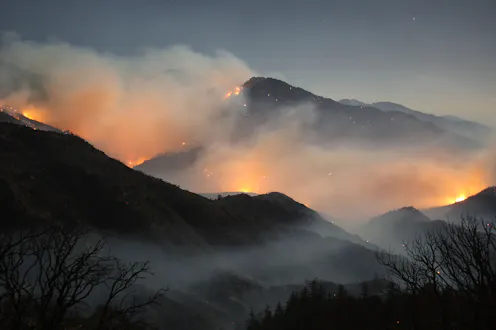
As the risk of fires rises in areas once considered too wet to burn, it creates hazards for mountain communities and for downstream water supplies.
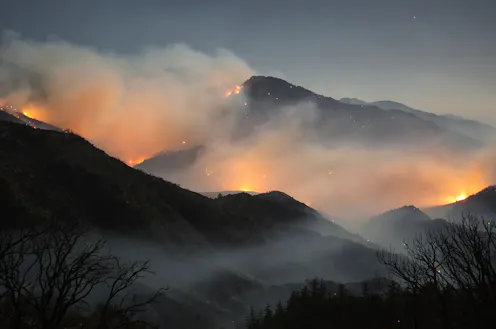
As the risk of fires rises in areas once considered too wet to burn, it creates hazards for mountain communities and for downstream water supplies.
Drought conditions are so bad, fish hatcheries are trucking their salmon to the ocean and ranchers are worried about having enough water for their livestock.
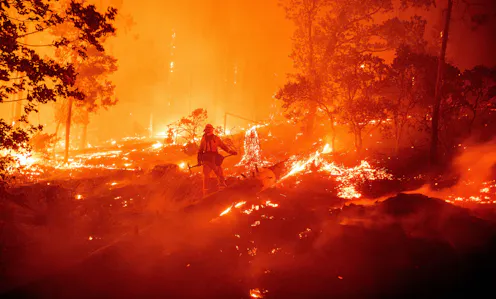
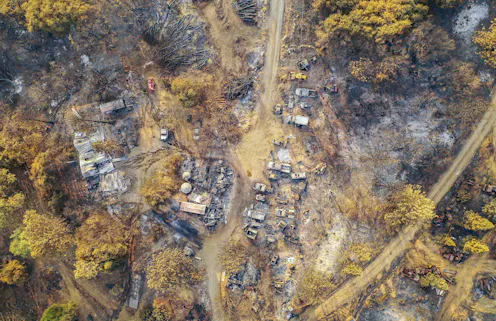
The 2020 wildfire season shattered records across the West. It’s part of a trend that’s headed in a dangerous direction.
Contact Mojtaba for
- General
- Media request
- Speaking request
- Consulting / Advising
- Research collaboration
- Research supervision
- Location: Boise, Idaho, U.S.
- Website
- X (formerly Twitter): @SadeghMojtaba
- Article Feed
- ORCID
- Joined

