
South Africa’s recently introduced carbon tax may lead to financial losses in the short term, but it’s necessary and will be beneficial in the long term.
- Senior Analyst, University of Pretoria

If the pattern of drought continues in South Africa it’s likely to affect the country’s financial standing too.
The control of imported goods is a quick fix that doesn’t resolve fundamental economic problems. It must be accompanied by a policy focus on macroeconomic issues, labour and agriculture.

It’s unclear what South Africa’s attitude will be to negotiating new deals with the UK and the EU. In the past seven years it has lost its appetite for trade deals, particularly with the developed world.
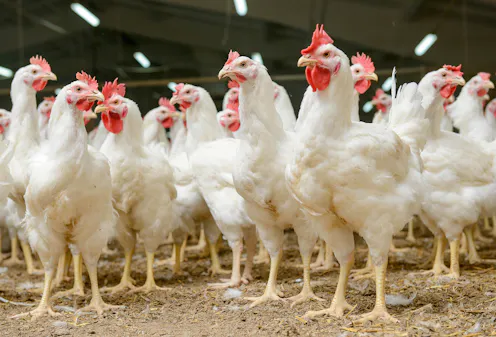
South Africa’s agricultural sector has benefited handsomely from the US’s preferential trade agreements. It is important that the current dispute is resolved speedily.
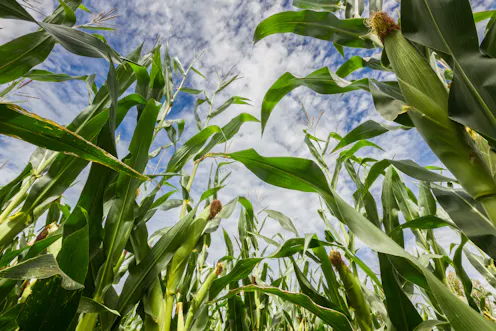
The demand for agricultural products in Africa is expected to rise over the next 35 years due to factors such as population growth, urbanisation, economic growth and changing diets.
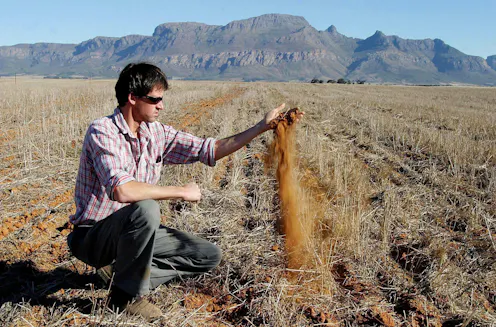
South Africa’s agricultural industry has struggled over the past 20 years due to the country’s rush to liberalise the sector while other countries continued to support their farmers.
Contact Mmatlou for
- General
- Media request
- Speaking request
- Consulting / Advising
- Research collaboration
- Research supervision
- Location: Pretoria, South Africa
- Website
- X (formerly Twitter): @https://twitter.com/Mmmatlou_Kalaba
- Article Feed
- ORCID
- Joined
