
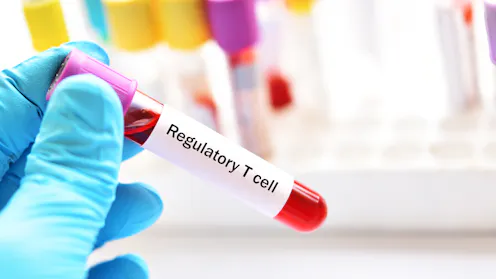
Researchers are gaining insights into how external factors like air pollutants, diet and medications, and even microbes in the gut interact with regulatory T cells, for better or for worse.
- Professor of Pathology, Microbiology and Immunology, University of South Carolina
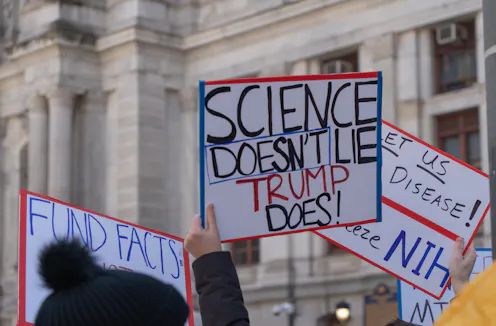
Les NIH, qui financent la recherche médicale aux États-Unis, ont annoncé des coupes budgétaires massives. Celles-ci vont affecter davantage les États ruraux qui, pour la plupart, ont voté Trump.
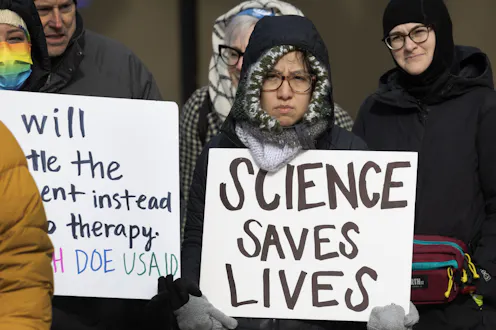
The majority of the 23 states disproportionately affected by the cuts are red states.
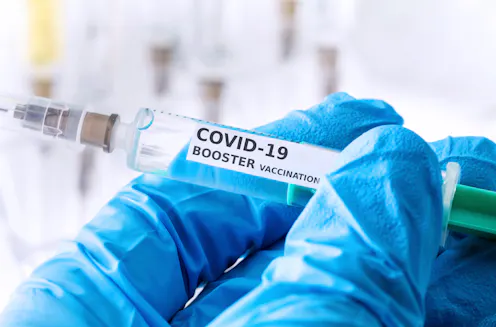
Only time and data will tell whether the CDC-recommended reformulated shots can stand their ground against the ever-changing SARS-CoV-2 variants.
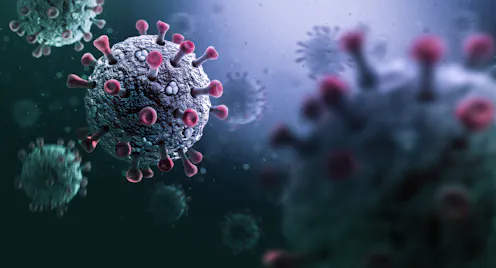
With the emergency phase of the COVID-19 pandemic in the rearview mirror, at least for now, we look back on a handful of stories that provided sharp insights at key moments in the pandemic.
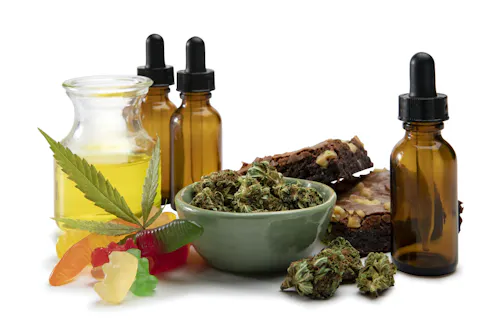
Los investigadores trabajan para determinar cómo y qué productos del cannabis pueden ayudar a quienes padecen dolores crónicos o enfermedades graves. Pero a la ciencia le cuesta seguir el ritmo de un mercado en auge.
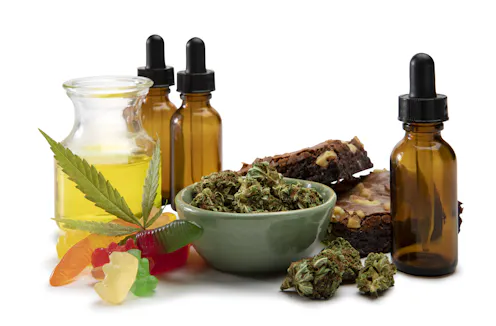
Researchers are working to determine how and which cannabis products can help those suffering from chronic pain or serious illness. But science is having a hard time keeping up with the booming market.

A THC-like substance that occurs naturally in humans and other vertebrates helps maintain immunity, memory, nerve function and more – and research suggests a lack of it can harm health.
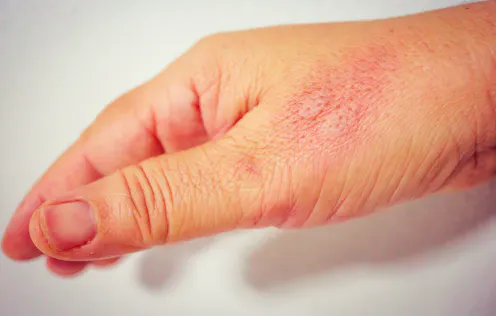
Inflammation is a complicated and important part of how the immune system responds to threats to the body. But when the inflammatory response goes awry, it can lead to serious problems.
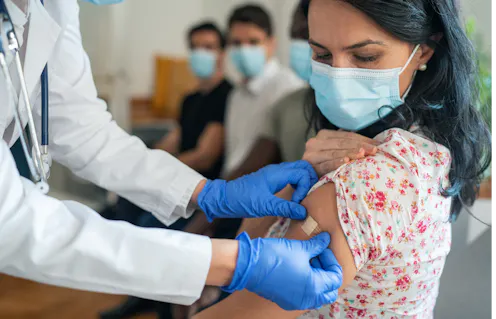
The CDC’s endorsement of the reformulated COVID-19 booster shots represents a major step in the effort to get more Americans boosted.
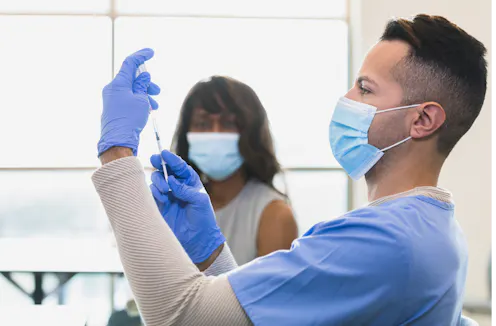
On the horizon: A new omicron-focused version of the Moderna vaccine that may offer longer protection and a stronger immune response.
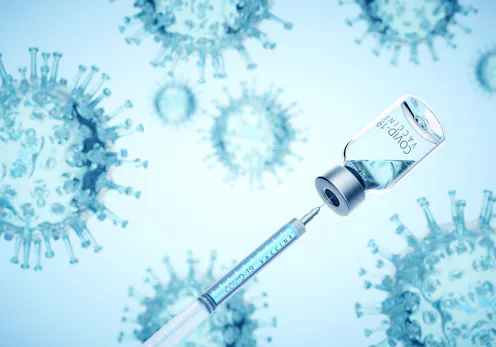
Research suggests that too-frequent immunizations may lead to a phenomenon called “immune exhaustion.”
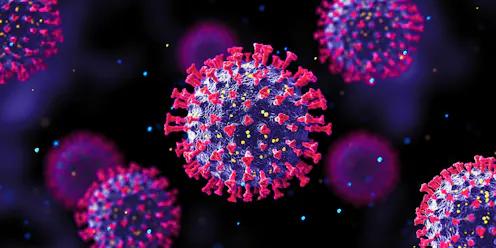
The latest addition to the omicron lineage has been making waves in Europe. Whether it will do the same in the U.S. depends on rates of vaccination and prior infection.
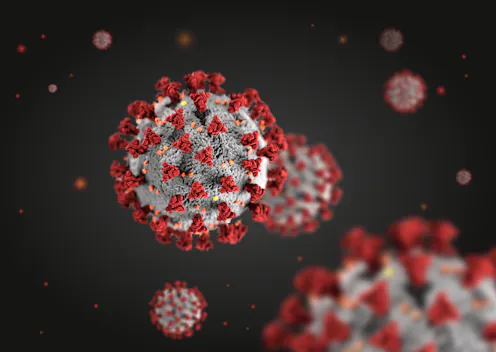
The COVID-19 pandemic has brought immunology terms that are typically relegated to textbooks into our everyday vernacular. These stories helped us make sense of the ever-evolving science.
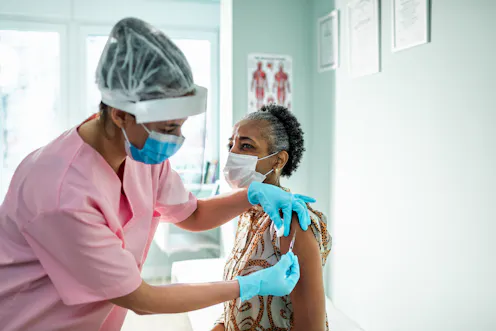
Because COVID-19 is a relatively new virus, researchers still aren’t sure exactly how long vaccines and prior infections provide protection.
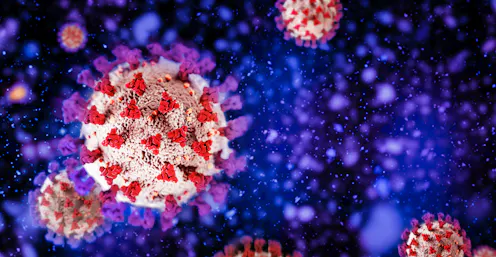
Some of the omicron variant’s unique properties – such as its ability to spread rapidly while causing milder COVID-19 infections – could usher in a new phase of the pandemic.

Who is most likely to survive an infection of the new coronavirus? Two immunologists explain that it is those who mount exactly the right immune response – not too weak, not too strong.
Contact Mitzi for
- General
- Media request
- Speaking request
- Consulting / Advising
- Research collaboration
- Research supervision
- Location: Columbia, South Carolina, U.S.
- Website
- Article Feed
- Joined
