

Claims about the discovery of a coveted room-temperature superconductor peppered the news in 2023. We pulled three stories from our archives on what superconductivity is and why scientists study it.
- Professor of Physics and Astronomy, Rochester Institute of Technology
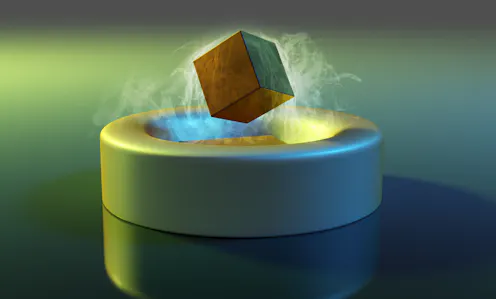
Superconductors are materials that can transmit electricity without any resistance. Researchers are getting closer to creating superconducting materials that can function in everyday life.
Most people are familiar with lasers. But what about a laser made with sound rather than light? A couple of physicists have now created one that they plan to use for measuring imperceivable forces.
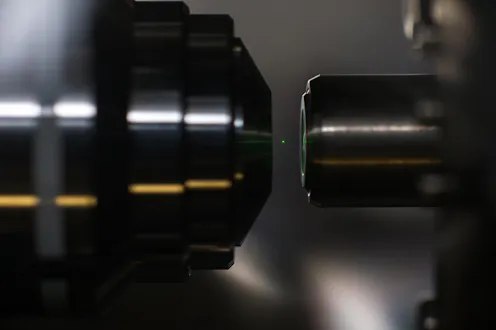
The discovery and development of optical tweezers won the 2018 Nobel Prize in physics. Now physicists are using this tool to crack some of the fundamental questions behind how the universe works.
Contact Mishkat for
- Media request
- Speaking request
- Consulting / Advising
- Location: Rochester, New York, U.S.
- Website
- Article Feed
- Joined
