
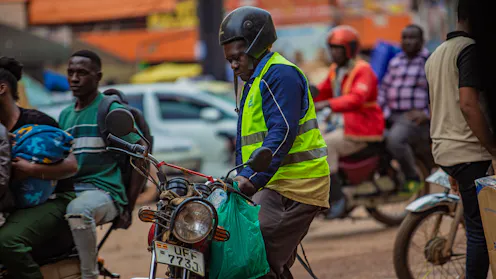
Redistribution must recognise that most workers are in informal employment.
- Associate Professor, Rhodes University
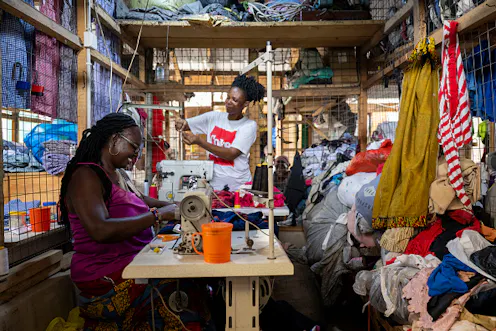
Domestic resource mobilisation cannot be achieved by over-taxing the livelihoods of the most vulnerable workers in the informal sector.
Through articles written by academic experts in the course of the year, The Conversation Africa takes a look back at Ghana in 2022.
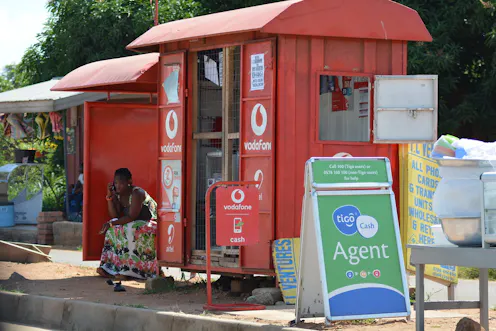
The tax on electronic transactions has not generated as much revenue as the government of Ghana expected.
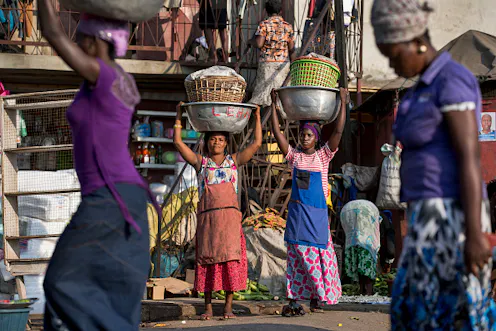
Influential international actors like the World Bank and the IMF should focus on expanding social protection rather than focusing on eliminating the informal economy.
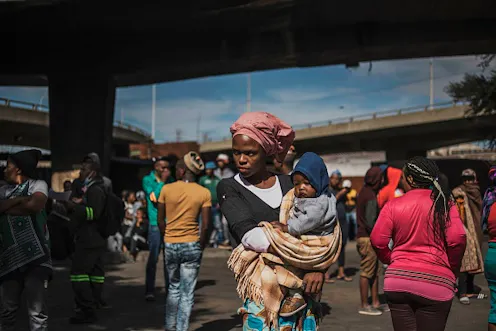
Informal workers, in particular women, took a big hit from the COVID-19 lockdown measures. A multi-faceted support package, informed by the gendered nature of work, is urgently called for.
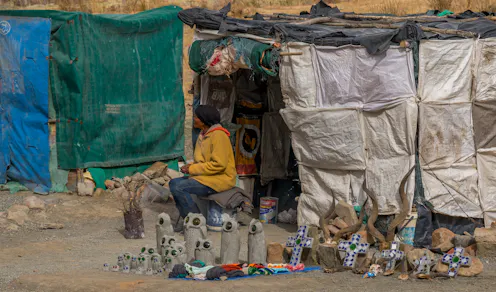
The informal sector represents an opportunity to improve the lives of a large part of the workforce. Government should desist from harming livelihoods and broaden the scope of policy measures.
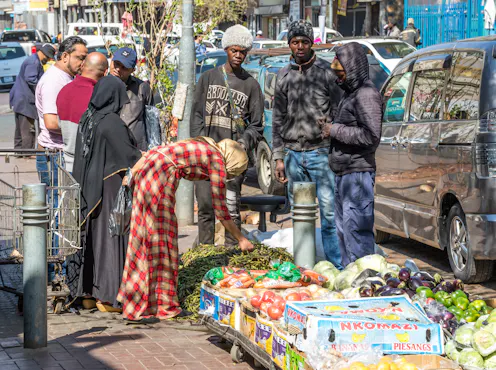
South Africa needs to rethink the role of the informal economy as it mulls over ideas to beat joblessness.
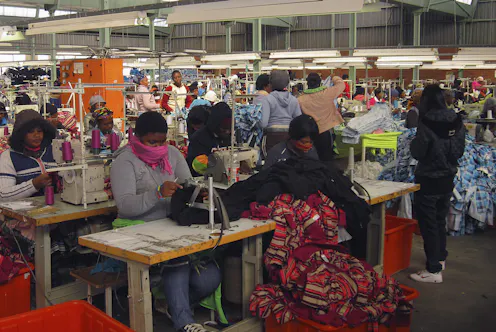
One in five workers in South Africa is poor. The plight of the working poor has wide implications. Employers have a responsibility to ensure a minimum level of decent wages.
Contact Mike for
- General
- Media request
- Speaking request
- Consulting / Advising
- Research collaboration
- Research supervision
- Location: Grahamstown, South Africa
- Website
- Article Feed
- ORCID
- Joined
