
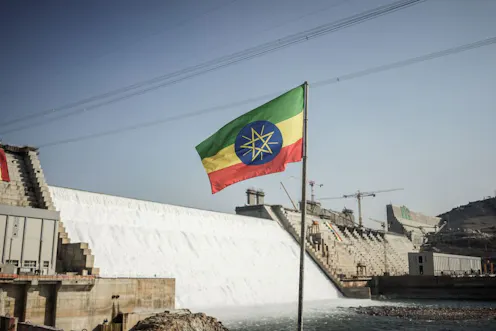
The controversy over the Grand Ethiopian Renaissance Dam reflects historical conflicts rather than a careful analysis of modern challenges.
- Visiting Adjunct Professor, School of Governance, University of the Witwatersrand
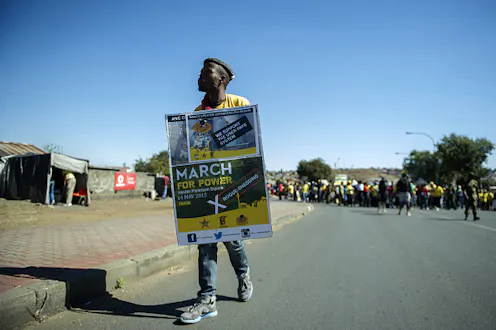
The wealthy should not be allowed to opt out from their share of the costs of electricity production and Eskom’s debt.
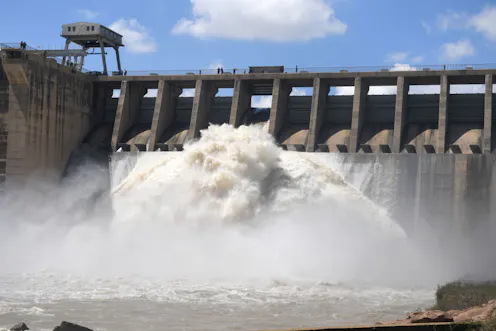
Gauteng citizens need to know the uncomfortable truth: for the next six years, their water supplies will increasingly have to be restricted.
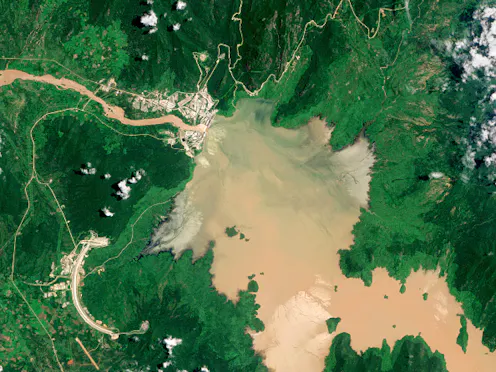
Nile communities carefully monitored and recorded the river’s flow. Centuries later these records are still being used by water resource managers around the world to analyse unpredictable river flows.
The agency will ensure that large water users such as municipalities, public utilities and large companies continue to fund the construction and operation of the large water systems they depend on.
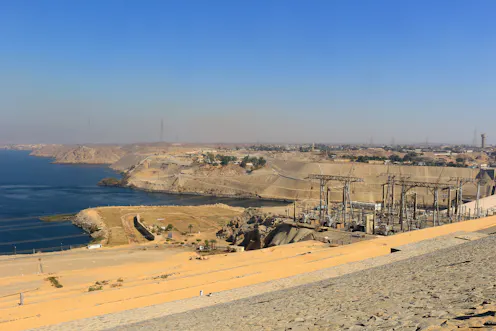
An historical perspective on the politics, dominance and conflicts over the dams on the Nile is useful.
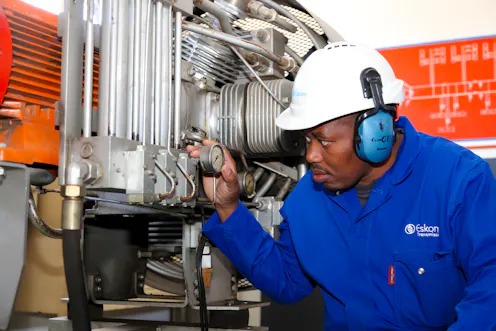
The deluge of opinions and proposed solutions to South Africa’s energy crisis reflects corporate and political interests.
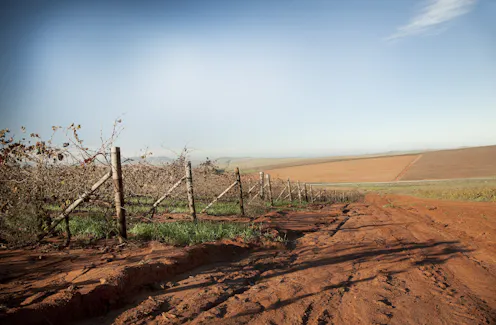
Not all droughts are the same and South Africa needs to have a targeted approach to each type.
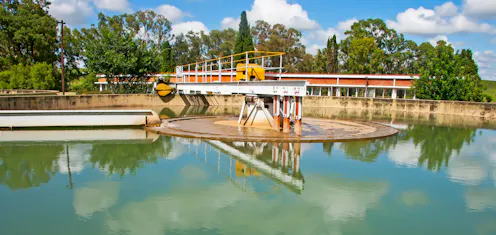
The real crisis with water supply is that South Africa doesn’t know what it doesn’t know.
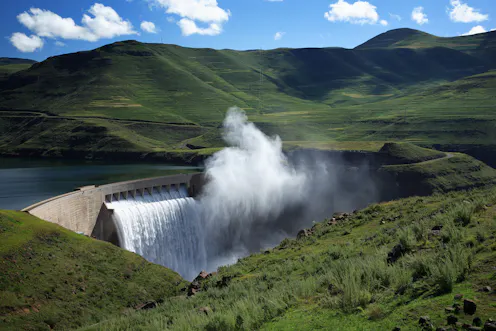
South Africa’s Department of Water and Sanitation has plans in place to ensure adequate water supply until 2040 and beyond.
South Africa’s independent regulators have failed. Instead of introducing new ones, alternatives need to be found.
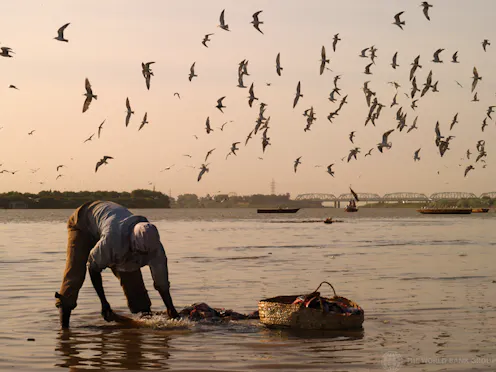
Nature based approaches to solving water problems originated in Europe and don’t take into account Africa’s huge infrastructure deficit.
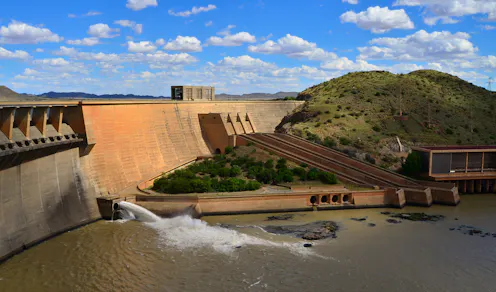
South Africa has good water laws. So why does the minister want to change them?
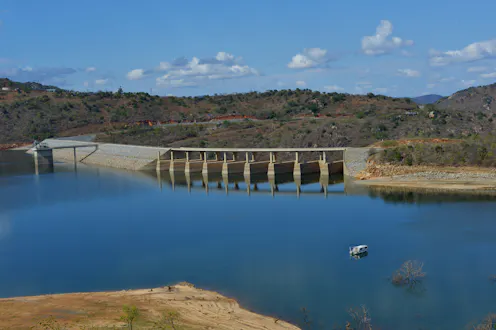
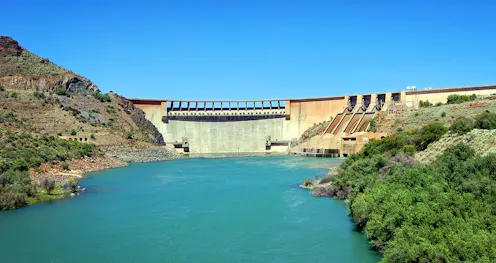
Dams are once again being recognised as important key contributors to a prosperous and sustainable future.
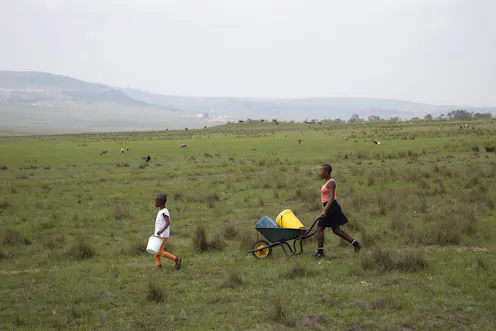
South Africa did a brilliant job of increasing access to safe water for millions of people after the first democratic elections in 1994. But it hasn’t kept up the good work.
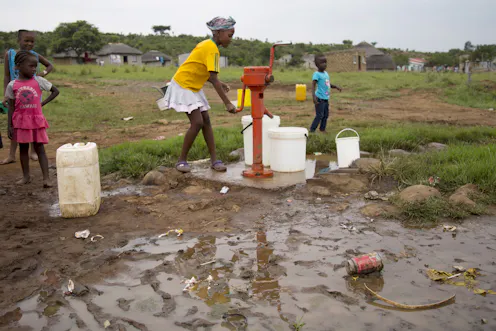
Massive state capture activity is taking place in the South African water sector under the guise of radical economic transformation, threatening financial sustainability and water supply.
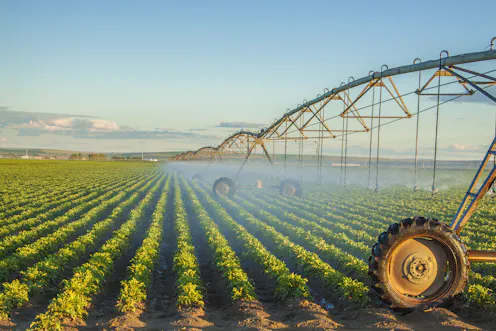
Intelligent trade policies can help limit the threats, including food security, that come with an uneven distribution of water resources across the globe.
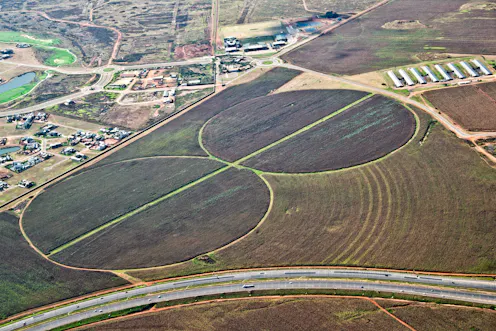
Urbanisation will require massive amounts of water to sustain the livelihoods of millions expected to move into cities. This may happen at farmers’ expense.
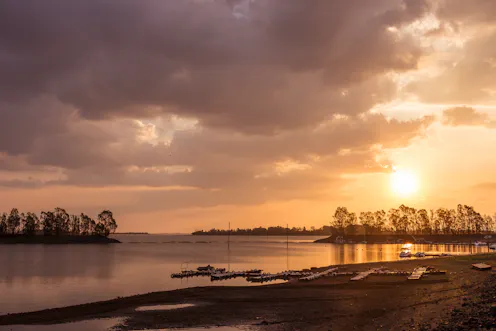
Water footprinting is meant to help countries use water more efficiently. But it may cause more problems than it solves.

Geoengineering could help regions affected by climate change deal with the problem.
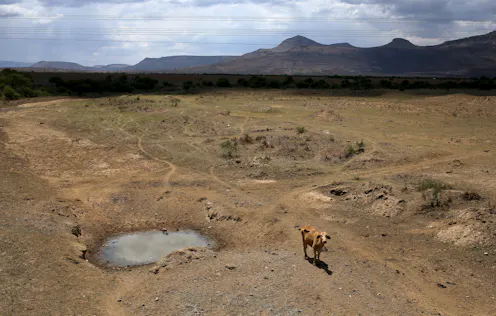
The water crisis in South Africa could have been avoided through better planning.
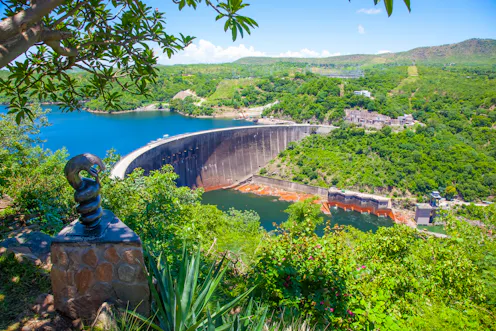
Green infrastructure may not be the best thing for Africa despite being environmentally friendly.
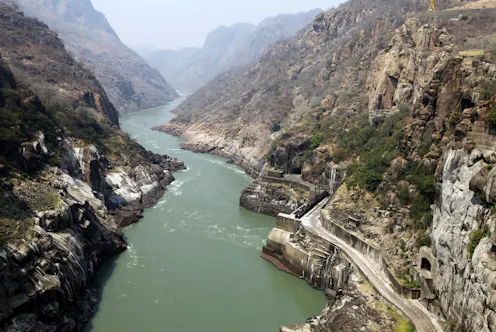
Southern African countries do not face water scarcity and do not need to build joint water projects. But they do need talk to each other to avoid misunderstandings.
Contact Mike for
- Media request
- Speaking request
- Consulting / Advising
- Research collaboration
- Location: Johannesburg, South Africa
- Article Feed
- ORCID
- Joined
