
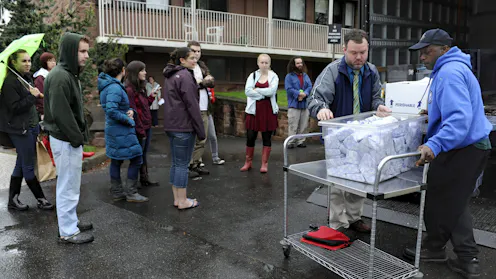
Universities need to move away from competing over rankings, and instead focus on building a collaborative educational system that puts collective well-being first.
- Associate Professor, Department of Educational Studies, University of British Columbia
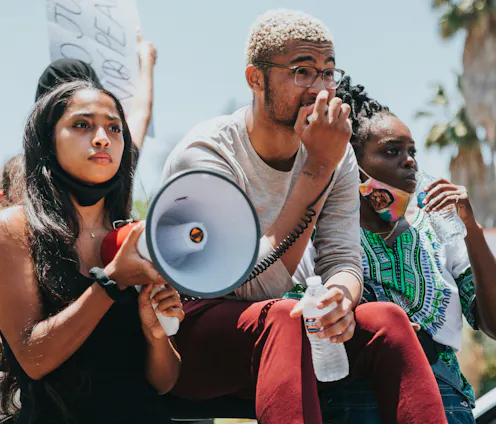
Globally, we’re witnessing a rise in far-right governments increasingly hostile towards universities, historically springboards for progressive change. What should the future look like for universities in Canada?
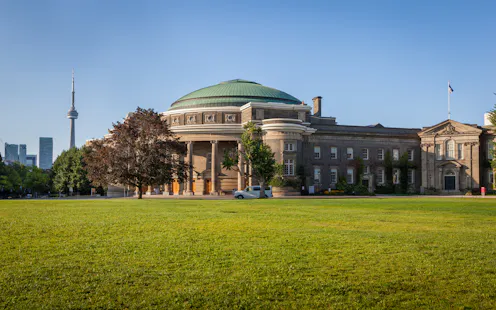
Universities should shift toward co-operative governance structures that foster collaborative approaches to teaching and research, which can help tackle the crises we collectively face.

People with disabilities contend with daily challenges and ableism. Here are some dos and don'ts to help you be more mindful of those living with a disability.

The ‘we’re No. 1’ mentality at universities has shaped how everything from campus food, bookstores and research are run, and these models can change.

There’s a lot to learn from institutions created to provide space for the many excluded from elite schools, including Indigenous-focused institutions that have graduated community-engaged leaders.
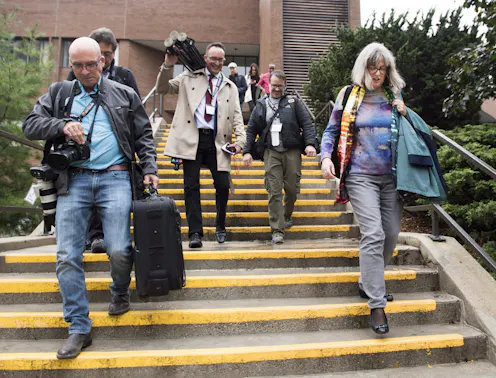
What Strickland achieved is impressive. But it isn’t a sign that the patriarchy is being smashed.

Two university professors explore their unlikely longtime friendship, providing lessons for parents of both “abled” and disabled children today.

One white educator reflects on the challenges, and the urgency, of tackling white supremacy in schools and on campuses in every country
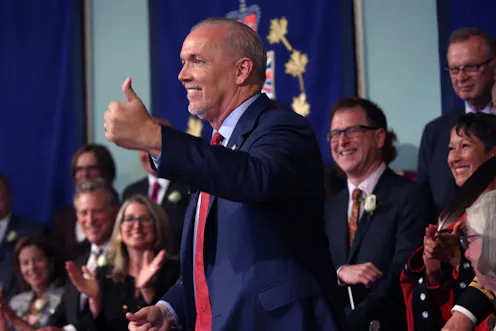
The new British Columbia government wants the province to shed its status as a laggard on education funding and poverty reduction. If it succeeds, B.C. will be a safer place to live.
Contact Michelle for
- General
- Media request
- Speaking request
- Consulting / Advising
- Research collaboration
- Location: Vancouver, Canada
- Website
- X (formerly Twitter): @MichelleLStack
- Article Feed
- ORCID
- Joined
