

Don’t dread the ‘afternoon slump’. Here’s what you can do to combat it.
- Professor of Anatomy, University of Bristol

¿Por qué una pila de libros sin leer no resulta estresante, mientras que una pila de correos electrónicos sin leer sí lo es?

Why a pile of unread books is not stressful, yet a pile of unread emails is.

Why a shattered body and a racing mind so often arrive together at 2am – and what the science says can help.

Returning a tennis serve depends on one of the brain’s most remarkable abilities: predicting the future.

That strange buzzing in your feet at heights isn’t fear, it’s your nervous system doing something quietly remarkable.
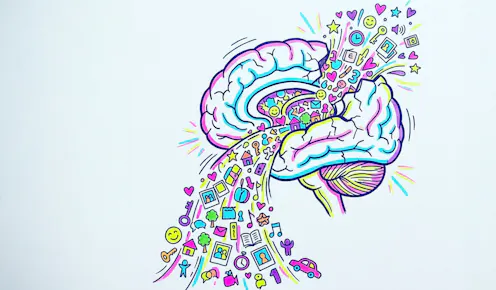
Seu cérebro não fica sem espaço – ele fica sem atenção. A ciência por trás do motivo pelo qual duas pessoas podem viver o mesmo momento e se lembrar dele de maneiras muito diferentes

Your brain doesn’t run out of space – it runs out of attention. The science of why two people can live the same moment and remember it very differently.
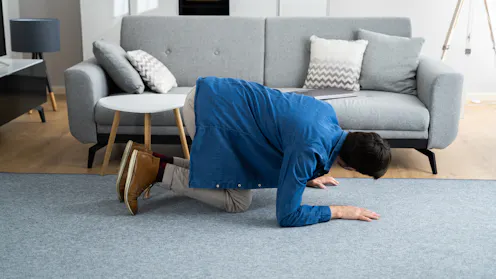
Seu cérebro não está apenas olhando – ele está prevendo. É por isso que você pode ficar olhando fixamente para um objeto e, mesmo assim, não vê-lo
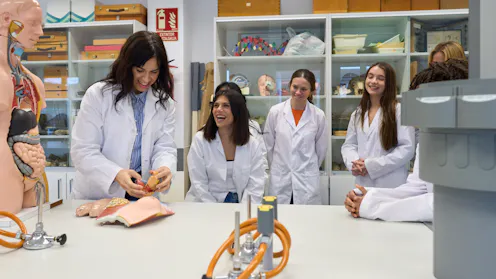
Why do medical students remember rude mnemonics decades later? The answer reveals something fascinating about how all of us learn and remember.

Your brain isn’t just looking – it’s predicting. Here’s why that means you can stare straight at something and still not see it.
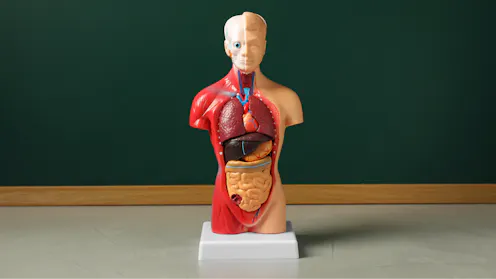
Achamos que o corpo humano já foi totalmente mapeado, mas na verdade a anatomia ainda está incompleta e foi moldada por quem foi estudado e quem não foi.
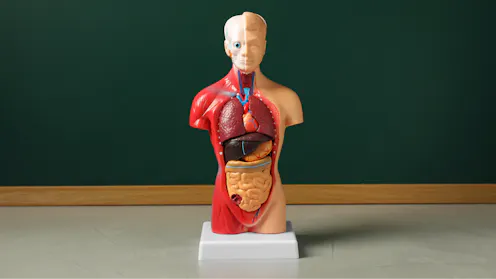
We think the human body is fully mapped. In reality, anatomy is still incomplete, and shaped by who was studied, and who wasn’t.

Esquecer por que você entrou em uma sala não é sinal de declínio cognitivo, é o seu cérebro fazendo exatamente o que evoluiu para fazer

Forgetting why you walked into a room isn’t a sign of cognitive decline. It’s your brain doing exactly what it evolved to do.

Reprimir o riso em ambientes solenes pode sair pela culatra. Veja o que a ciência do cérebro diz sobre por que as “risadas na igreja” parecem incontroláveis

Suppressing laughter in solemn settings can backfire. Here’s what brain science says about why ‘church giggles’ feel unstoppable.

Os seus 40 anos podem parecer mais exaustivos do que os seus 60. A razão não é um declínio inevitável, mas um conflito entre a biologia e as exigências máximas da vida.

Your 40s can feel more exhausting than your 60s. The reason isn’t inevitable decline, but a clash between biology and peak life demand.

When medical procedures are designed around male anatomy, women often pay the price – in pain, difficulty and dismissal.
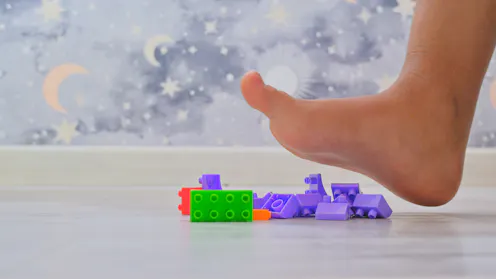
When you curse after stubbing your toe, you’re not losing control – you’re activating ancient neural circuits that help your body cope with pain.

Why sweet treats bypass fullness signals and make space in your stomach, even after a massive meal. The biology of betsubara.

The remarkable biology that lets Santa’s elves work tirelessly through long polar nights on a diet of sweets.
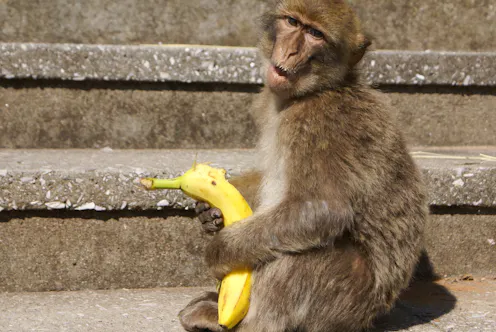
The evolutionary history of human penises is more romantic than you might think.
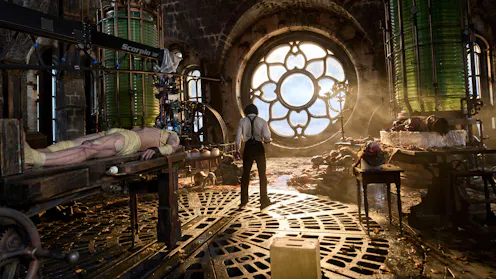
Modern anatomy reveals why Victor Frankenstein’s reanimation experiment was doomed from the first incision.
Contact Michelle for
- General
- Media request
- Speaking request
- Consulting / Advising
- Research collaboration
- Research supervision
- Location: Bristol, United Kingdom
- BlueSky: @m-spear.bsky.social
- LinkedIn: michelle-spear-a5b5035b
- Article Feed
- Joined
