
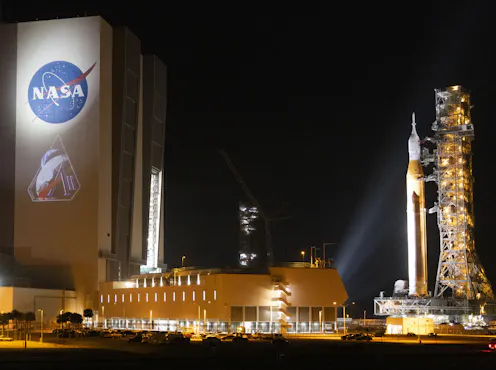
It’s about more than just beating China. As a space lawyer puts it, a Moon base would come with strategic, economic and scientific advantages.
- Professor of Air and Space Law, University of Mississippi
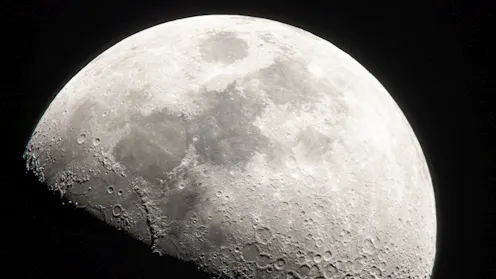
Today, there aren’t just two countries competing to get to the Moon. More countries have space programs, and private industry plays a larger role.
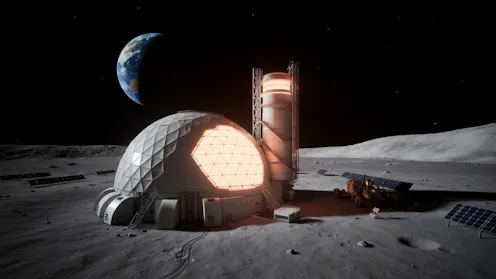
Reatores nucleares no espaço podem parecer algo saído da ficção científica, mas serão importantes para fornecer energia a missões espaciais de longa duração
Nuclear reactors in space may sound like something out of science fiction, but they are likely to prove important for powering long-term space missions.
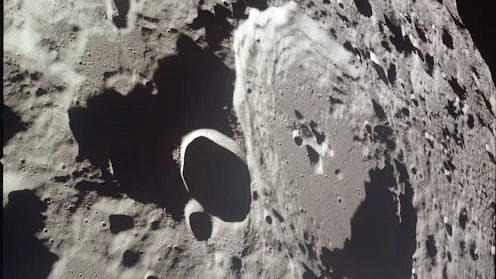
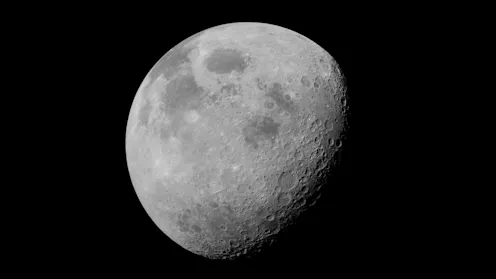
More people will be going to the Moon in coming years, and the way current legal frameworks are written could lead to conflict.
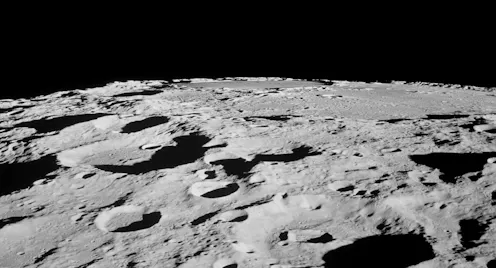
A US-led coalition and China are both planning to establish bases on the Moon. How the two nations will navigate actions on the Moon and how other countries will be involved is still unclear.
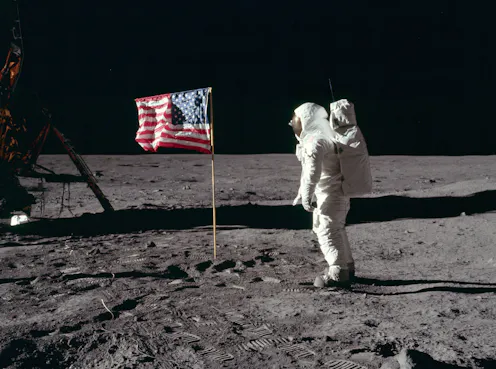
L’ère de l’exploitation des ressources lunaires approche rapidement. Comment le faire durablement – et légalement ?
The era of lunar resource use is quickly approaching. But with legal and practical issues still looming, nations are starting to think about sustainable ways to mine and protect the Moon.
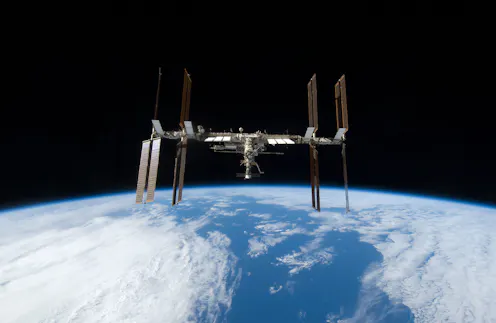
Activities in space today are far more numerous and complicated compared to 1967, before humans had landed on the moon or Elon Musk had been born. Two experts explain the need for better laws to keep space peaceful.
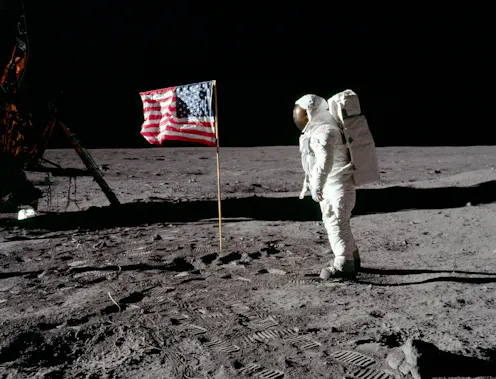
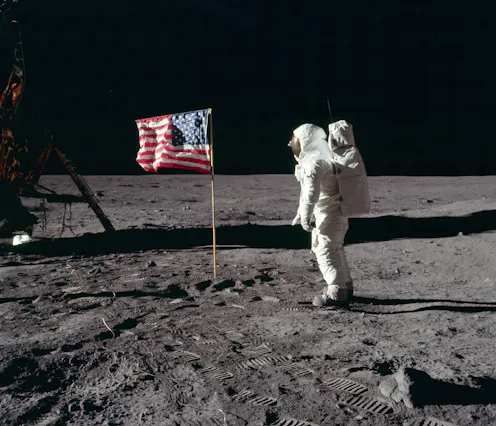
Who cares what happens to bootprints on the Moon? All humans should. And thankfully the US Congress and president agree.
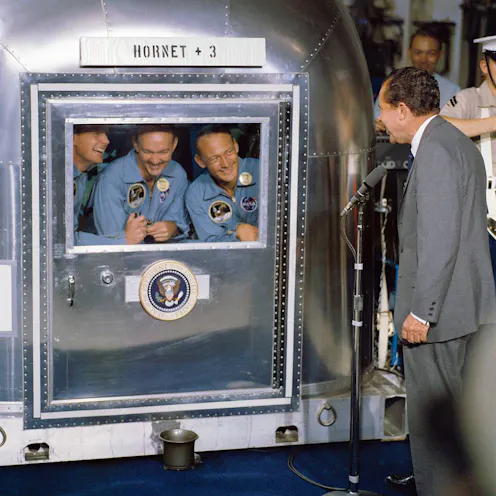
Objects left on the Moon are not just abandoned rockets and rovers. There is a lot of historic and sentimental memorabilia. Some of it hints at a mission that the first Moonwalkers almost forgot.
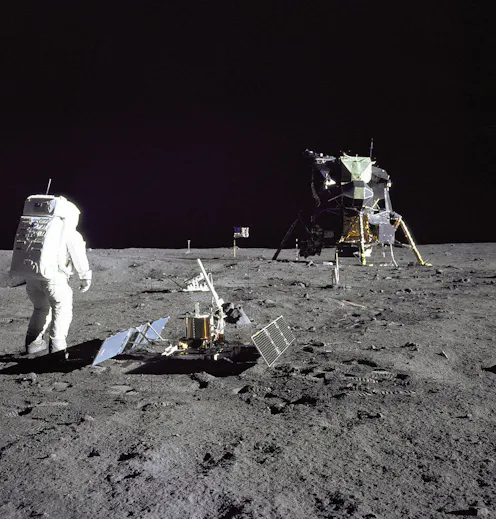
Throughout the world, unique sites of natural and cultural heritage are protected for future generations. But what about sites on the moon that represent the beginning of the human space age?
Contact Michelle for
- General
- Media request
- Speaking request
- Consulting / Advising
- Research collaboration
- Research supervision
- Location: Oxford, Mississippi, U.S.
- Website
- X (formerly Twitter): @hanlonesq
- Article Feed
- ORCID
- Joined
