
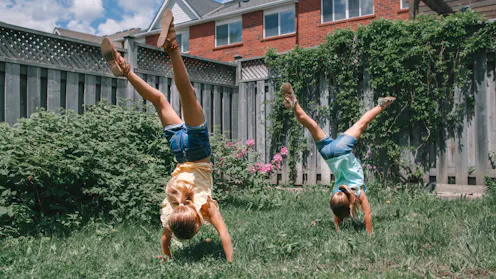
Autonomy, confidence and competence were stronger predictors of wellbeing than more traditional measures like deprivation or even total time spent being active.
- Research Officer at Medical School, Swansea University

Tracking child poverty will be harder without a clear way to measure it.
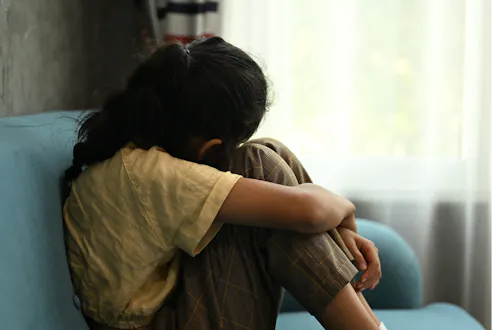
Swimming and cycling ability declined while there was a rise in eating sugary snacks according to new research.

They called for time to play and mental health support.

Teachers thought there should be less focus on assessments.
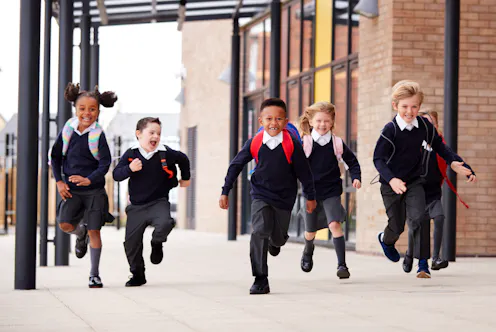
We heard the views of 211 primary school staff in Wales on the return to school.
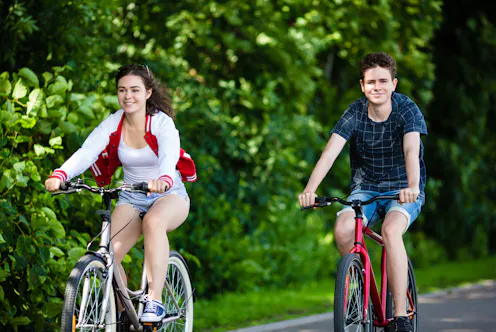
Living near green spaces, or growing up in a deprived neighbourhood, were both linked to higher fitness levels among teens.
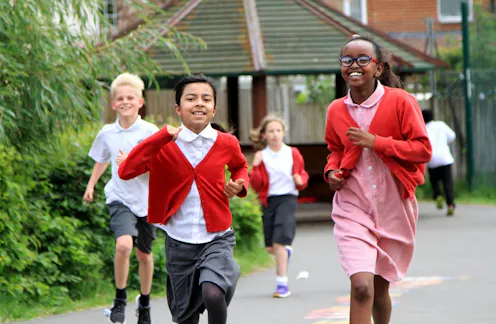
From obstacle courses to playing music, school children give their thoughts on how to make a daily run more exciting.

We found that 13- and 14-year-old teens from deprived areas already showed signs of developing heart disease – but also made some surprising discoveries about what factors can lead to a healthy heart.
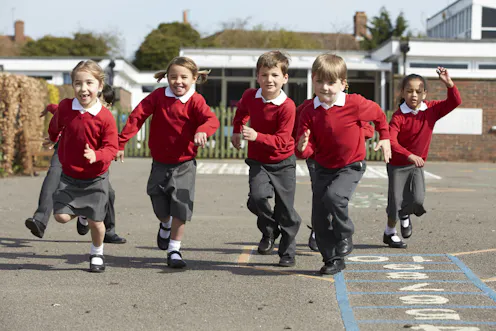
Afternoon breaks are being cut in UK schools but simply making this time more meaningful could have better benefits for children.

Want teenagers to be more active? Just talk to them first

Encouraging your baby to be active can improve their health in other areas too.
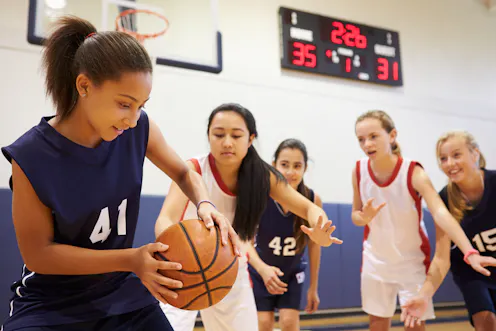
A new study reports that school-based physical activity interventions are ineffective in improving young people’s activity levels. But we just need to think outside the box if we want them to work.

We asked teenagers what they need to get, and stay, active.
Contact Michaela for
- General
- Media request
- Speaking request
- Consulting / Advising
- Research collaboration
- Location: Swansea
- X (formerly Twitter): @MickeyLJ
- Article Feed
- ORCID
- Joined
