

Residents with higher incomes and assets will be required to pay for a larger contribution than those on a pension.
- Professor of Health Economics, University of Technology Sydney

Home care packages help older people with complex needs to live at home for longer. The problem is, more people want packages than the number the government funds.

After months of negotiations between the major parties, the government has announced its new plan for aged care. Here’s what it means for people in residential aged care and their families.

Rural and remote aged care facilities find it hard to attract and retain staff, and face high costs and ongoing losses. Yet levels of care and resident satisfaction exceed that of homes in cities.

Many residents in Australia’s aged care homes are not receiving the level of care they need and are entitled to, a new analysis has found.
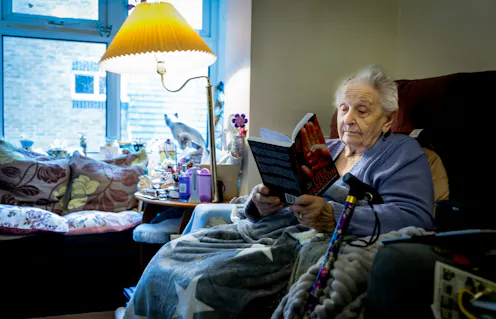
Australia’s aged care system is undergoing significant change, but is still governed by an act more than 25 years old. Can the government meet its mid-year deadline for the next round of reforms?

Australia’s past reports have been largely ignored big issues like housing and climate change. Ahead of the latest report’s release, here’s what we’re still missing – including giving you a say.

Aged care is one of the government’s biggest ongoing funding challenges. But for a sustainable system, we need to ensure everyone is paying their fair share. Here’s how to make it more equitable.

While demand for subsidised services is high and rising, many parts of the system need improvement. The federal budget can’t solve these problems by placing the entire burden on taxpayers.
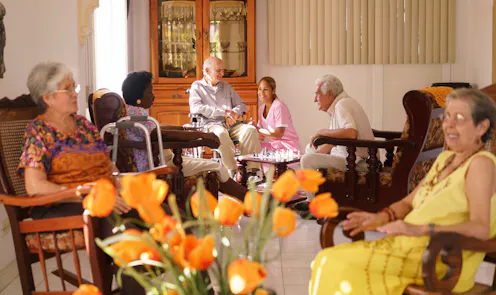
The family home has largely been protected from mean tests to determine how much older people should pay for their aged care. It’s time this changed.
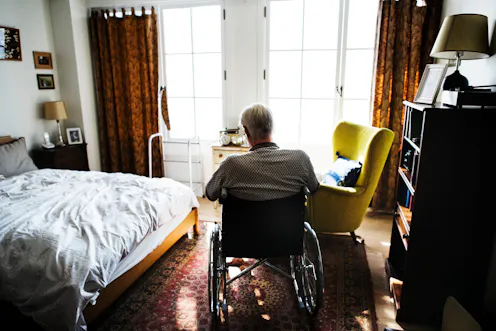
The government will keep increasing the number of subsidised home care services, but it needs to find the right funding balance for the system to remain sustainable.

Four Corners this week revealed understaffing and poor staff training in aged care. These issues have also been found in previous reviews into aged care.

The Australian government provides a safety net of subsidies for elderly Australians unable to fully fund their own care. But will the extra 14,000 home care places in the budget meet demand?

Australia is increasingly a services-led economy. The health sector is not only a big employer, but health care is an important factor in worker productivity.

Health announcements in the federal budget include a slow lifting of the Medicare rebate freeze, money for new medicines, and an increase in the Medicare levy to fund the NDIS.

This is a steady-as-she goes budget, mostly just confirming pre-announcements with only the expected unpleasant decisions, such as the continuation of the Medicare rebate freeze.
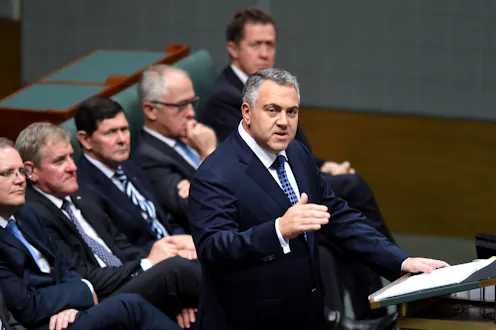
The big surprise about this year’s health budget was what wasn’t there – billions of dollars in expected savings from the Pharmaceutical Benefits Scheme.

Following our series on Tony Abbott’s five pillars of the economy, today we look at a sector overlooked by the prime minister.

The review of Medicare recently announced by the health minister is not only a pachydermal task, it will also fail unless it acknowledges the elephant in the room – our fee-for service health system.
Contact Michael for
- General
- Media request
- Speaking request
- Consulting / Advising
- Research collaboration
- Location: Canberra and Sydney
- Website
- Article Feed
- Joined
