
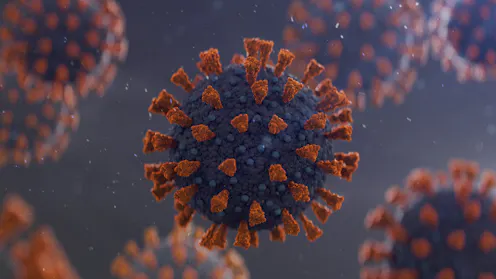
COVID-19 hasn’t disappeared, but it’s no longer the health threat it was. Here’s what the latest wave means and who should get boosted.
- Professor in Applied Mathematics, University of Canterbury

New Zealand can learn from the issues raised in Australia’s recently released COVID inquiry report. It would benefit from closer collaboration to build capacity in disease surveillance and testing.

As COVID finds its equilibrium, infection rates will rise and fall, influenced by seasons, school holidays and new subvariants. Managing the risk is complex and needs to be cost effective.

The decision to remove the testing requirement for international arrivals seems shortsighted. All outbreaks in Aotearoa have been caused by new variants coming across the border.

Case numbers are falling in all age groups, including over-70s. This is good news as case rates in older people have been a key driver of the steep rise in hospitalisations and deaths in this wave.

The last Omicron wave affected younger people. But the new BA.5 variant is seeing case numbers in older age groups higher than ever before – just as hospitals are under the most pressure.
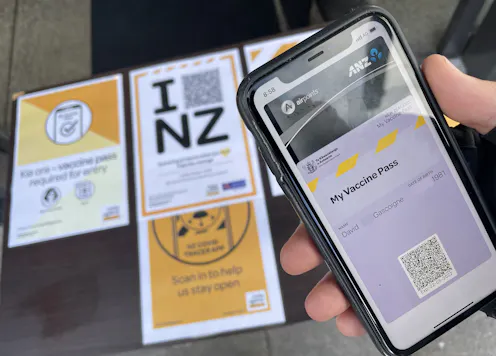
Vaccine passes have outlived their usefulness, at least for now. But as New Zealand’s Omicron wave begins to subside, other public health measures remain vitally important.
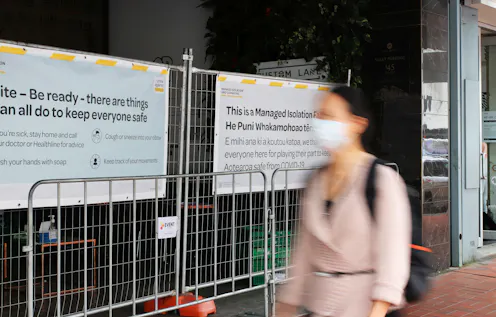
New Zealand’s system of managed quarantine at the border may soon be less important, but we could well need to stand it up again quickly if a new COVID-19 variant emerges.

Today’s announcement sent a clear message to all regions – get to a 90% vaccination rate or face the possibility of a lockdown when COVID-19 inevitably arrives.
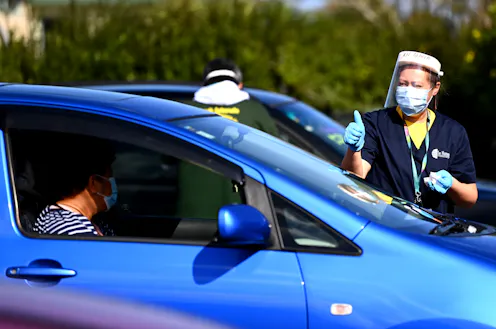
Most countries experienced serious outbreaks of COVID before widespread vaccination was available. Will it make the difference as New Zealand walks a narrow path towards opening up?

Whenever the government reduces alert levels, it shifts some of the responsibility for managing the outbreak to the public. We need to enjoy the small additional freedoms responsibly.

Daily case numbers are trending down and the reproductive number is about 0.4, close to what it was the last time New Zealand was under the strictest lockdown. It shows the restrictions are working.
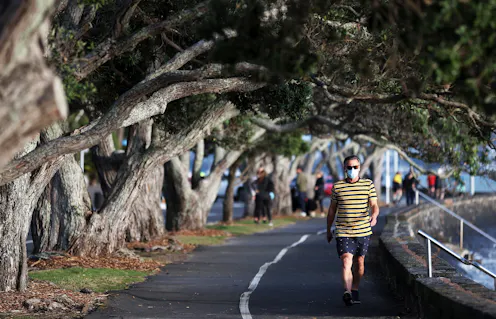
Several superspreading events had likely infected more than 200 people before New Zealand’s Delta outbreak was detected and the country went into a strict lockdown last week.

New Zealand has been free of COVID-19 community infection since February, but a single confirmed case in Auckland has seen the government again adopt the ‘go hard, go early’ approach.

The challenges of containing inevitable outbreaks once borders reopen should not be underestimated. That’s why elimination remains the guiding principle and mass vaccination the imperative.
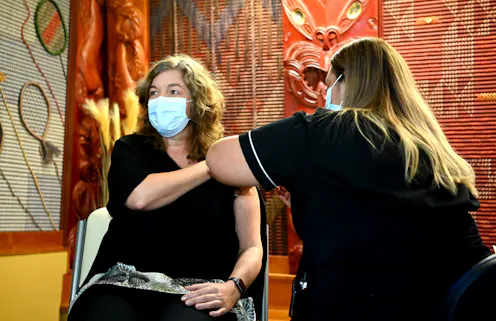
New Zealand will have to vaccinate 80-85% to reach population immunity. Until then, a blanket border re-opening, even if only for vaccinated people, would pose a high risk of new outbreaks.
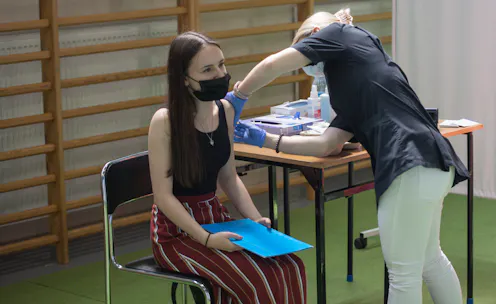
New Zealand’s approval of Pfizer’s COVID-19 vaccine for 12-15 year olds will bring the number of people eligible for the jab to 85% of the population, raising the chance of reaching collective immunity.

The trans-Tasman travel bubble has come to a temporary regional halt three times now, highlighting the challenges in tracking the risk of an outbreak across jurisdictions with different systems.

Although most border workers are now vaccinated, regular testing remains essential to guard against the risk of a major outbreak in the community.

New Zealand and Australia both had COVID-19 outbreaks originating from border facilities, but as frontline border workers are prioritised for vaccination, the risk of this happening again is lower.

Moving Auckland to level 3 for a week gives health officials time to track down additional cases and shut off chains of transmission. But we should also be prepared for a wider outbreak.

The highly infectious nature of the COVID-19 variant, and the fact the infections have no clear link to the border, leaves the worrying possibility of a more widespread community outbreak.

A new study argues for selective border relaxations. But with COVID-19 more prevalent now than at almost any point in the past, the risk would be substantial.
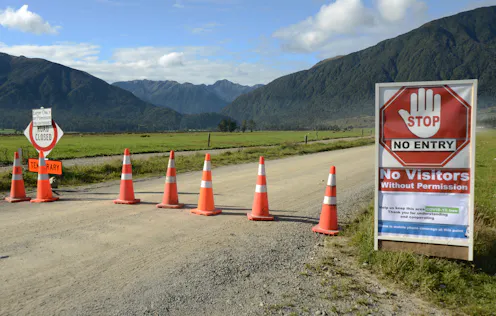
A variant with a higher transmission rate is much more dangerous than one with just a higher fatality rate.

New Zealanders will have be prepared to change holiday plans if there is an new community outbreak.
Contact Michael for
- General
- Media request
- Speaking request
- Consulting / Advising
- Research collaboration
- Research supervision
- Location: Christchurch, New Zealand
- Website
- X (formerly Twitter): @MichaelPlankNZ
- Article Feed
- ORCID
- Joined
