
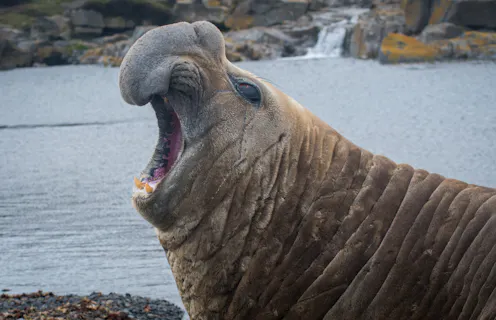
Protecting remaining strongholds and minimising human impacts on food sources will be crucial to avoiding further population decline of this remarkable creature.
- Associate Professor in Biological Anthropology, University of Otago

When landscapes change, exotic species take advantage of new habitats. Such a pulse of colonisation coincided with the Ice Age some 2.6 million years ago.
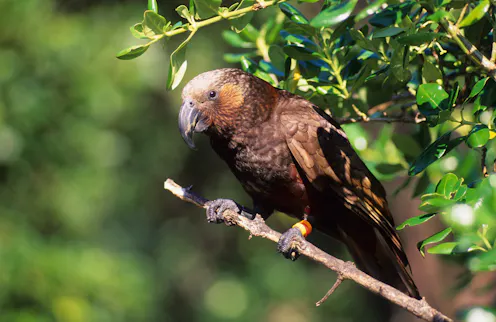
Genome analysis of New Zealand’s forest parrot kākā has so far found no genetic differences between its two subspecies. This could allow for more relocations of birds between populations.
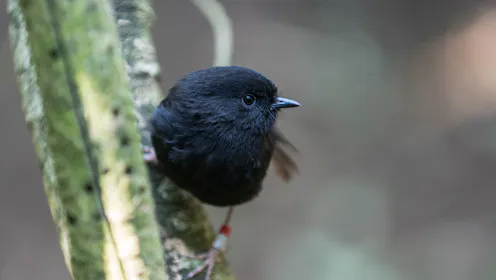
Inbreeding usually leads to an accumulation of genetic defects, but evolution on a small archipelago may have helped the severely inbred Chatham Island black robin to avoid this fate.
Contact Michael for
- General
- Media request
- Speaking request
- Consulting / Advising
- Research collaboration
- Research supervision
- Location: Dunedin, New Zealand
- Website
- X (formerly Twitter): @michel_knapp
- Article Feed
- Joined
