
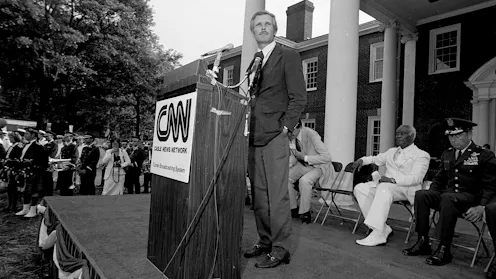
The profusion of video access to anywhere on earth, at any time of day or night, was unimaginable before Turner’s work to make CNN conceivable and then real.
- Professor of Communication and Journalism, University of Maine
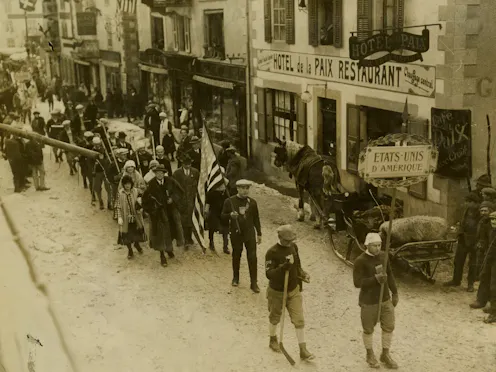
Despite being a foundational figure in American hockey, Taffy Abel – who hid his Ojibwe heritage so he could pass as white – has been largely erased from national memory.
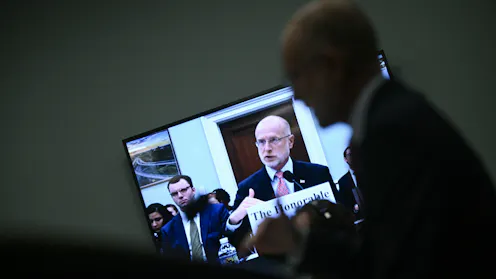
Pressuring broadcasters by leveraging the powers of the Federal Communications Commission occurs no matter which party controls the White House.
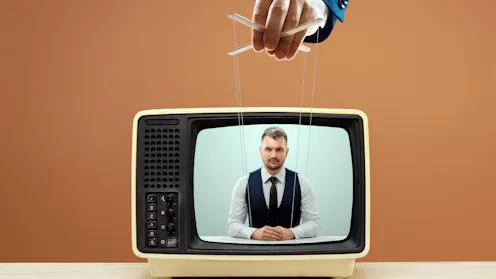
Will costly settlements over news stories the president sued about influence network journalists when deciding whether to pursue investigative stories involving the Trump administration?
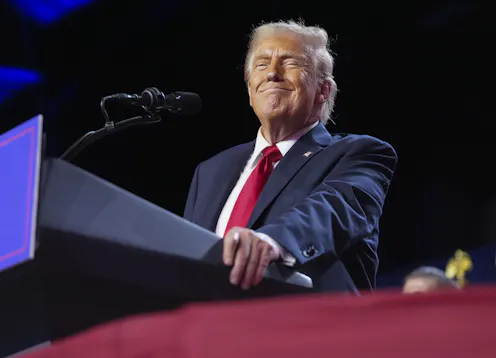
Historical examples abound of American news consumers being presented with verified facts about controversial figures or events, only to have the excellent journalism have little to no effect.
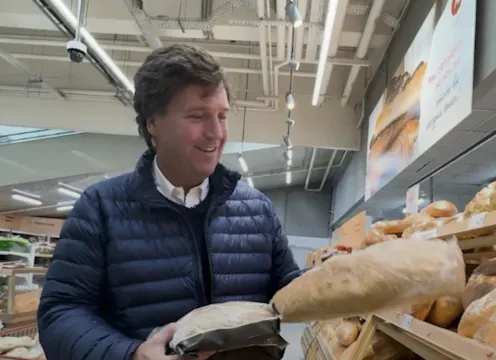
Tucker Carlson’s sycophantic interview with Russian dictator Vladimir Putin, and his subsequent praise for Russia’s subways, supermarkets and cheeseburgers, was not journalism. It was propaganda.
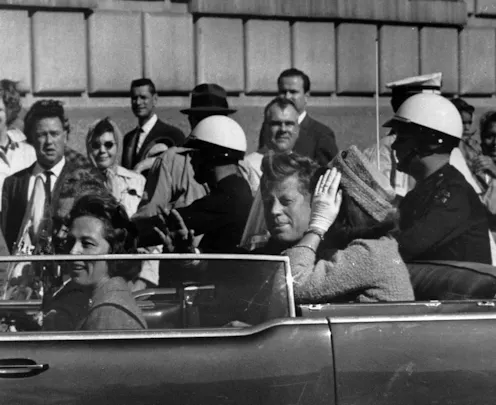
The JFK assassination was a landmark event in TV news history.
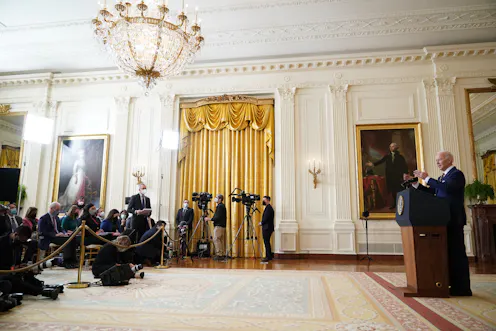
While President Joe Biden has low approval ratings, few other American presidents − with the exception of FDR and Warren Harding − have experienced such a run of good media luck.
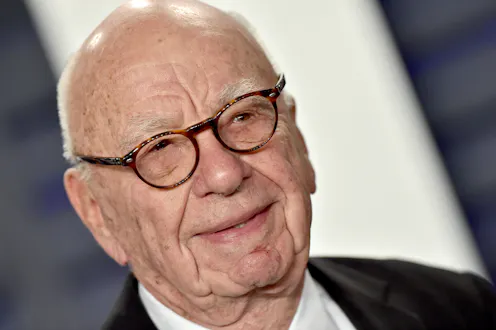
Rupert Murdoch is a major media figure, but he may not be as influential as most people think.
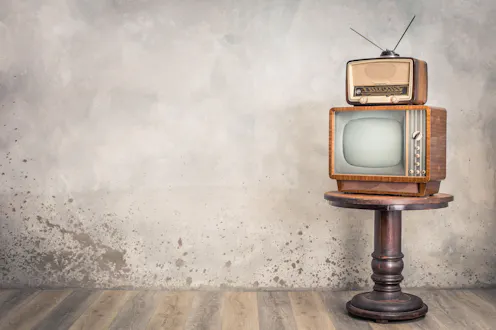
Scholars, preservationists, archivists, museum educators and curators, fans and the public are meeting in late April in the nation’s capital to figure out how to preserve broadcasting’s history.
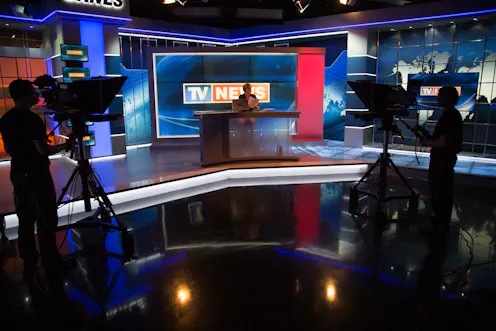
Journalism has been fodder for politicians’ contempt for generations. A huge percentage of the public doesn’t trust the news media either. That mistrust isn’t a bad thing in a democracy.
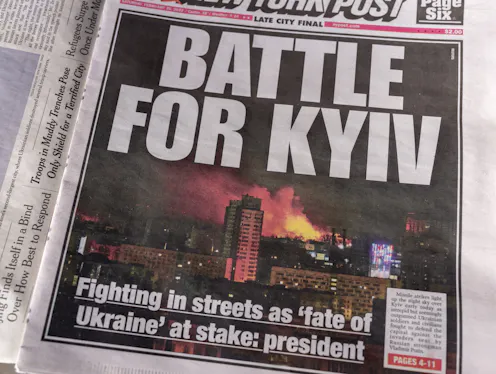
Public scorn in response to a news story about how to cope with stressful news ignores a fact: The news can take a mental and psychological toll on a person.
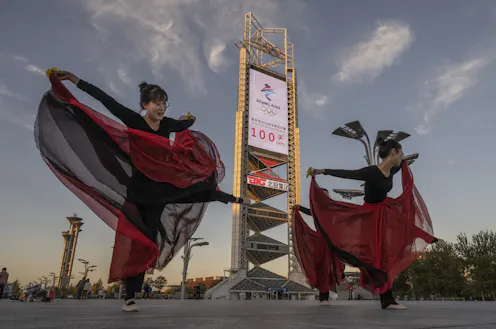
In the face of China’s repression and human rights abuses, a scholar asks whether cheerful media coverage of the Beijing Olympics in February 2022 signals complicity with Chinese propaganda.
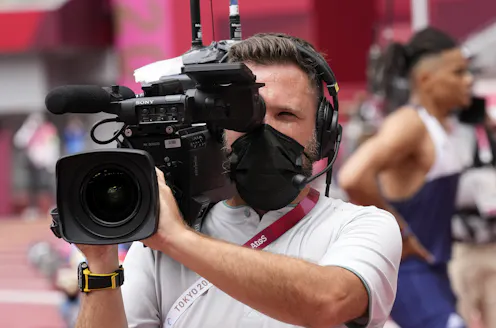
The Olympics are usually profitable for broadcasters and show off the future possibilities of media technologies.
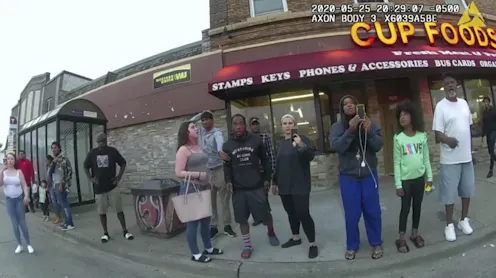
The history and weight of US press freedom played a powerful, but unacknowledged, role in the conviction of Derek Chauvin for murdering George Floyd.
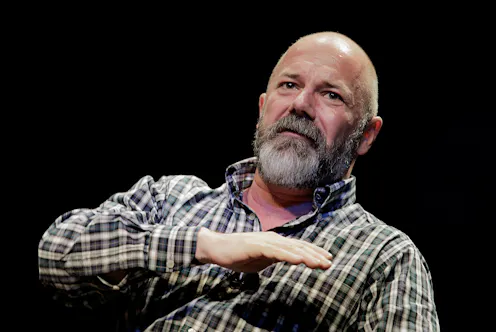
High-profile media figures are defecting to Substack, where readers will have to pay a subscription to read their work. Could Substack remind news consumers that paying for journalism is worth it?
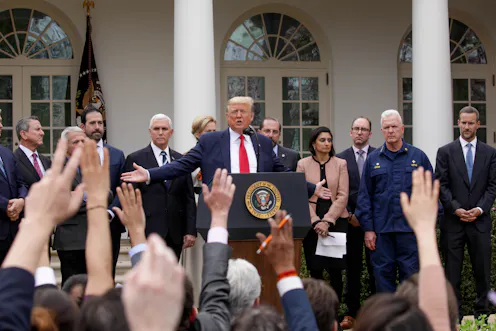
Reporters are trained to advance a story and report what is new. But that approach can end up shortchanging news consumers, who need greater context and persistent focus on an ongoing story.
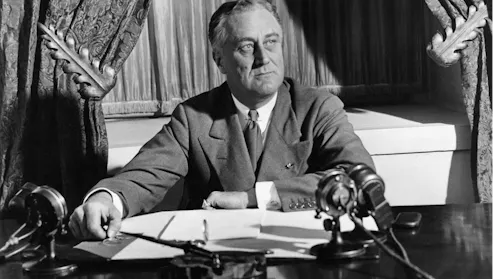
On March 12, 1933, President Roosevelt addressed the nation from the Oval Office during a time of great crisis. That ‘fireside chat’ proved broadcasting’s power as nothing before or since.
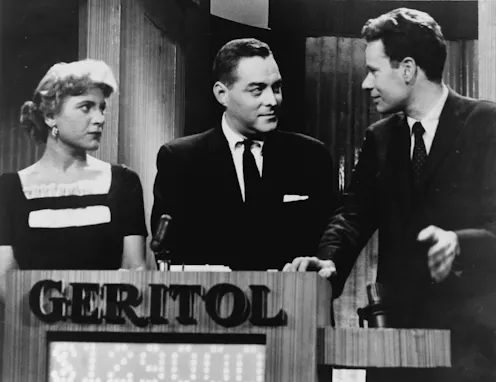
The only satisfactory debate arrangement everyone agreed to nearly 60 years ago largely remains in place today – the game show format.
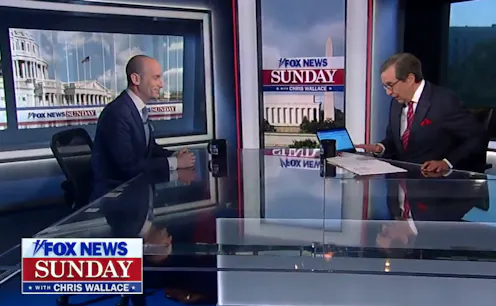
Why do TV news shows book interviews with people who lie or obfuscate? Dogged interviewer Mike Wallace was an example of how to do it right. But on live TV, it’s almost impossible to do what he did.
An American media scholar studying in Australia looks at the protections offered by the two countries for investigative reporting, raising crucial questions about journalism’s role in democracy.
Malgré l’obsession de la presse américaine pour l’« empire » Fox News, l’idée que la chaîne d’information exerce un pouvoir politique sans précédent aux États-Unis est excessive.
Despite two major journalistic investigations of Fox News’ so-called ‘empire,’ the idea that Fox News wields immense political power in the US and in the White House falls apart under scrutiny.
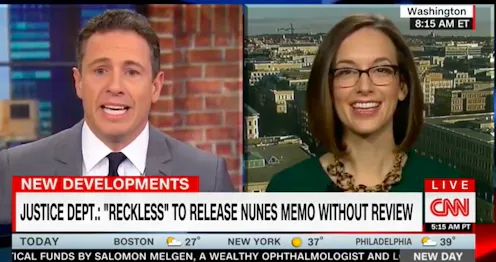
CNN has just announced it has hired a former Trump administration official to help direct political coverage. A storm of criticism ensued. But political hacks have long found a home in journalism.
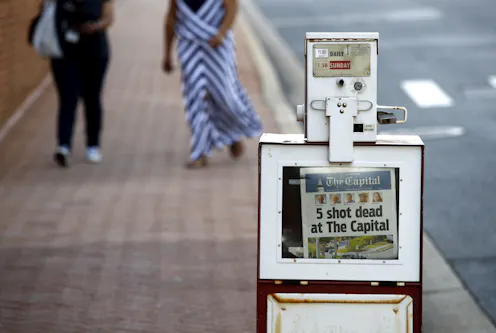
Violence against journalists is on the rise. Many people don’t realize that such acts have a long tradition in the US, where partisan rancor was once a hallmark of American journalism.
Contact Michael for
- General
- Media request
- Speaking request
- Consulting / Advising
- Research collaboration
- Research supervision
- Location: Old Town, Maine, U.S.
- Website
- X (formerly Twitter): @michaelsocolow
- Article Feed
- ORCID
- Joined
