
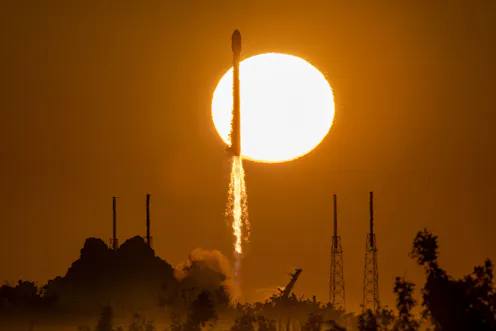
It’s not enough to point a rocket at the Sun and ignite the engines.
- Associate Professor in Astronomy, Monash University
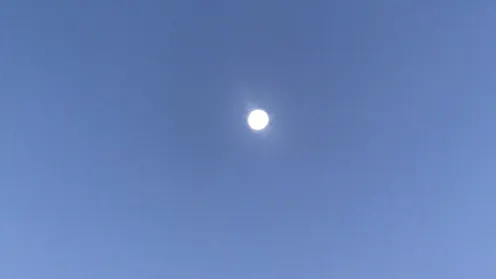
Phones can often take great photos, but why photos of the Moon typically disappointing? The Moon itself and camera design are both part of the answer.
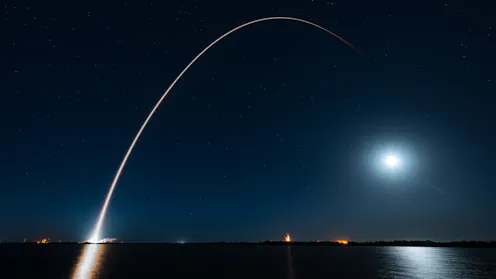
Satélites que refletem a luz do Sol para a Terra parecem coisa de ficção científica – mas são uma preocupação muito real para os astrônomos.
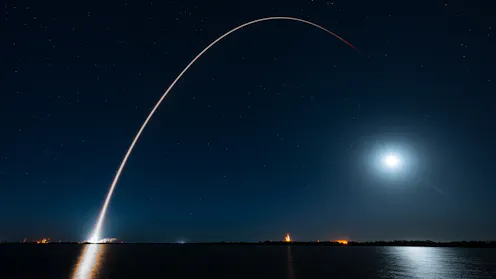
Satellites beaming sunlight down to Earth sound like science fiction – and they have astronomers very worried.
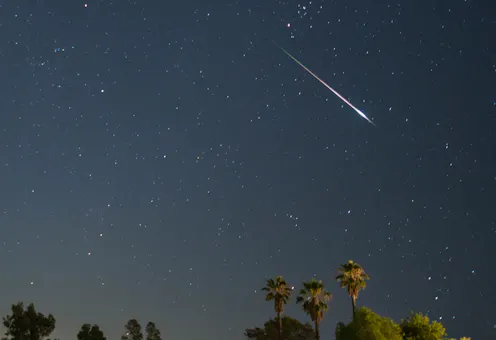
There are telltale clues to help you work out what just blazed overhead.
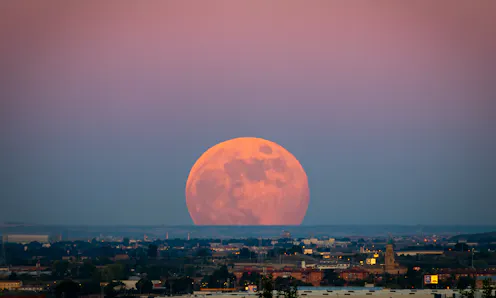
What’s so special about a supermoon? Hardly anything. There are better things to observe in the night sky, according to a professional astronomer.
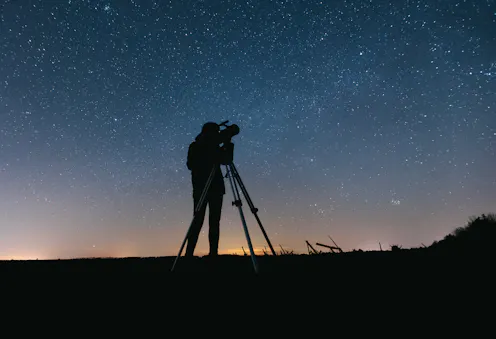
A telescope can reveal so much of the night sky, including Saturn’s rings and the Moon’s craters. But choosing the right telescope is a difficult decision – here’s what you need to know.
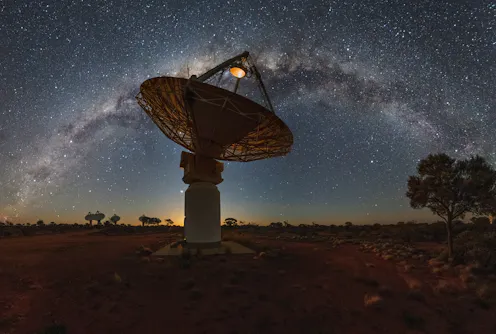
Do all big black holes in very massive galaxies emit radio waves? We used the latest radio telescopes to find out.

The sky looks blue on a sunny day – but at night we can see the faint glow of its true colour.
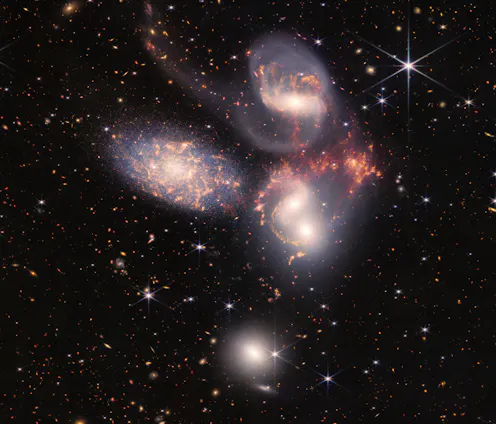
It has been one year since the launch of the James Webb Space Telescope and six months since the first pictures were released. Astronomers are already learning unexpected things about the early universe.
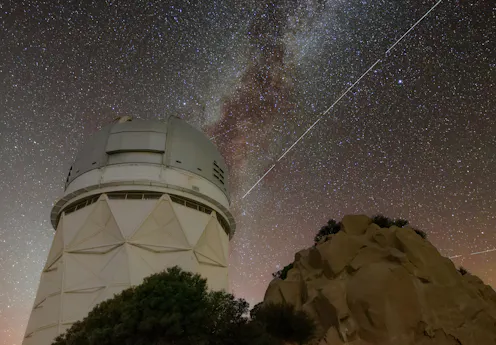
The stars, planets and Milky Way we see at night are part of a wilderness shared across the globe and across centuries. But does BlueWalker 3 herald a night sky polluted with bright satellites?
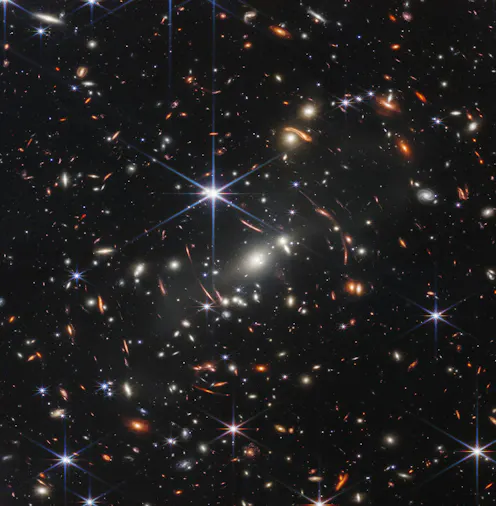
James Webb has spotted extremely distant galaxies formed soon after the Big Bang, but are they old or young? Or is this the wrong question to ask?

Wages, starlight and polls can all be interpreted using statistics. While probabilities, medians and noise can be challenging, a simple dice can provide insights into statistics.
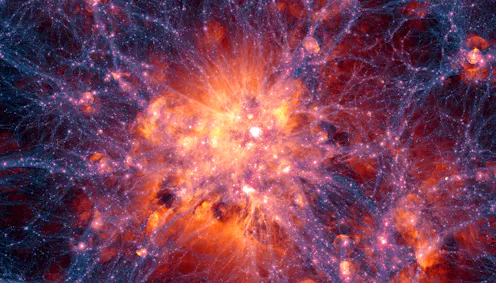
Why do astronomers believe there’s dark matter when it cannot be directly detected? Let’s look at the evidence, and see what dark matter’s presence means for our universe.
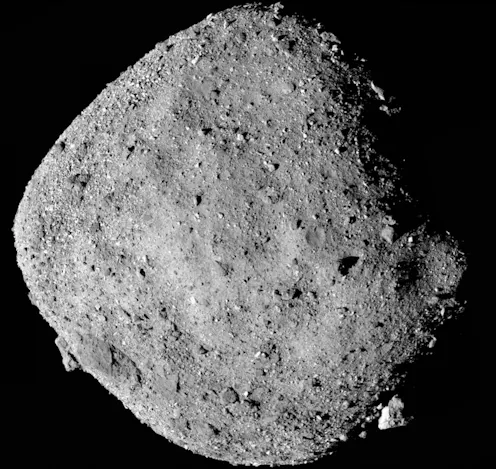
A 100-metre-wide asteroid passed just 70,000km from Earth on Thursday, and we had little warning it was about to happen. What threat is posed by asteroids and how do we find them?
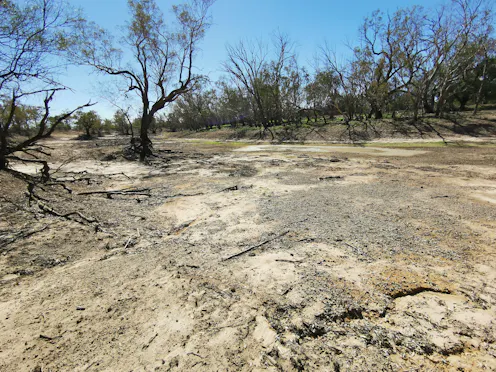
Ten years ago, politicians such as Tony Abbott would routinely voice disdain for climate science. Now, while the policy debate remains fierce, the battleground has shifted to economics and jobs.
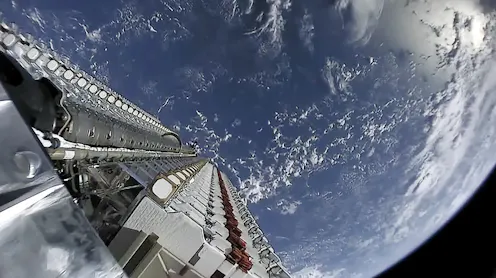
The first 60 satellites from Elon Musk’s planned low orbit internet network have lit up the skies. But with more planned, astronomers say the satellites could ruin their work.
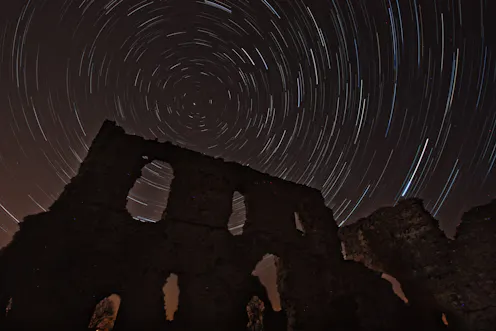
When you look up at the vastness of space you can see hundreds, thousands and even millions of years into the past.
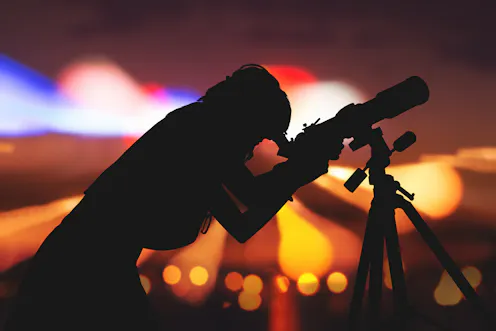
With a little bit of knowledge and a few pieces of equipment you too can look at the night sky and see it as a cosmologist does.
Another case of alleged sexual harassment in academia highlights the slow progress being made to protect people from abuse.
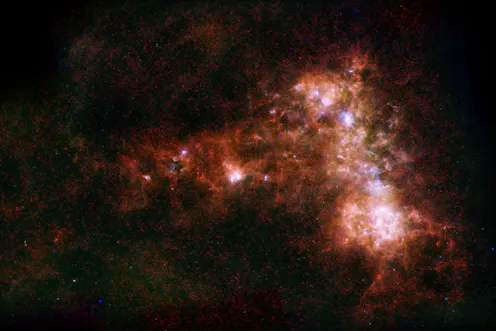
The galaxies, stars and planets in our universe can look very different when you view them through equipment that sees beyond the visible light our eyes can see.
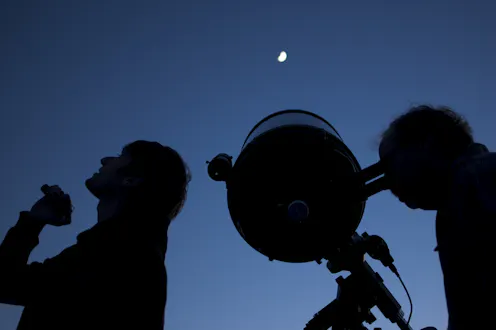
So you got a new telescope for Christmas. While it’s fun for some sightseeing in the night sky you can also use your telescope to learn about the physics universe.
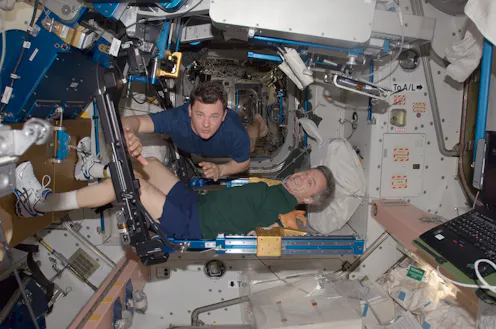
The students of class 3F at Ferny Grove State School want to know how they get oxygen into the International Space Station.
Three years ago The Australian newspaper launched a broadside at the Bureau of Meteorology. But when it did it again this week, it seemed to get less traction from the top echelons of government.
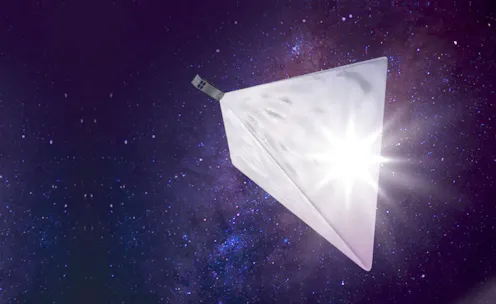
It promises to be one of the brightest objects in the night sky once the Mayak satellite unfolds a giant pyramid reflector. But what is it going to do?
Contact Michael for
- General
- Media request
- Speaking request
- Consulting / Advising
- Research collaboration
- Research supervision
- Location: Melbourne, Australia
- Website
- X (formerly Twitter): @MJIBrown
- Article Feed
- ORCID
- Joined
