

Opportunity’s ‘citizen’s income’ policy would do the least for the worst off, and retains many of the current system’s targeting complexities.
- Adjunct Research Fellow, School of Government, Te Herenga Waka — Victoria University of Wellington
With little public consultation and serious questions about how it might work, the proposed scheme is a policy gamble of unknown proportions.
It’s potentially the biggest change to welfare since ACC and would favour those on higher pay – so why does the public know so little about it?
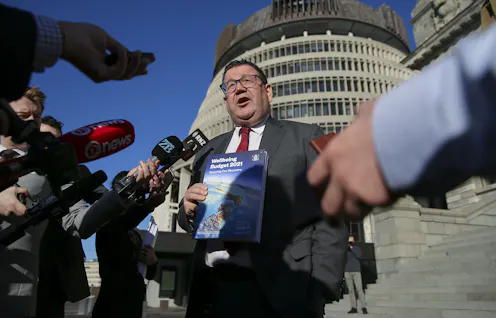
By under-promising and over-delivering, Grant Robertson has pulled off a budget that displeases the fewest people.

Resilience, humour, hardship and tragedy – a unique survey reveals how ordinary New Zealanders coped during one of the world’s strictest COVID-19 lockdowns.
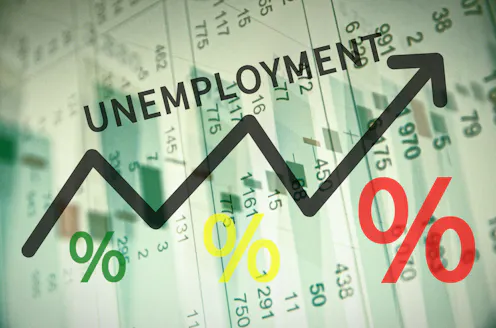
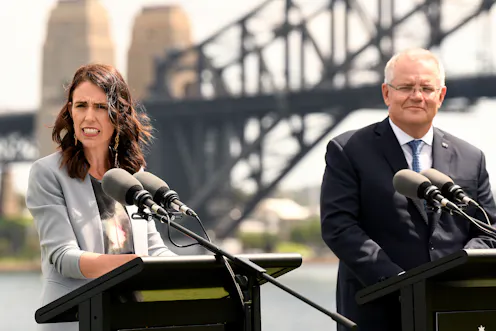
With unemployment soaring due to COVID-19, why is Jacinda Ardern’s centre-left government significantly less generous towards beneficiaries than Scott Morrison’s centre-right government in Australia?
New Zealand will spend NZ$12.1 billion – or 4% of its GDP – to support businesses, increase benefits for seniors and low-income families, pay people in self-isolation, and boost health care capacity.

Ardern’s coalition government promised to overhaul New Zealand’s welfare system, but its response to a comprehensive report by an expert advisory group has been disappointing at best.

The New Zealand government has set targets for reducing child poverty, but with hundreds of thousands of children living in poverty, this goal remains a challenge.
The claim that New Zealand’s investment approach to welfare reform has been “very successful” is at best unproven. Arguably, it is plain wrong.
Contact Michael for
- General
- Media request
- Speaking request
- Consulting / Advising
- Research collaboration
- Research supervision
- Location: Wellington, New Zealand
- X (formerly Twitter): @fletchermj
- Article Feed
- Joined
