
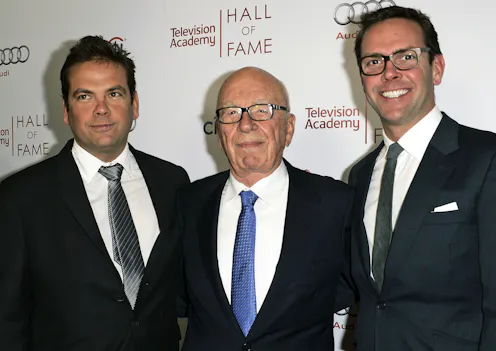
After the article was published, Murdoch sent the publishers of Crikey a ‘concerns notice’, essentially threatening to sue them. In response, the publishers almost dared Murdoch to sue.
- Senior Lecturer in Law, The University of Western Australia

Journalists need to have the facts to support not just what they say explicitly, but what their work implies.
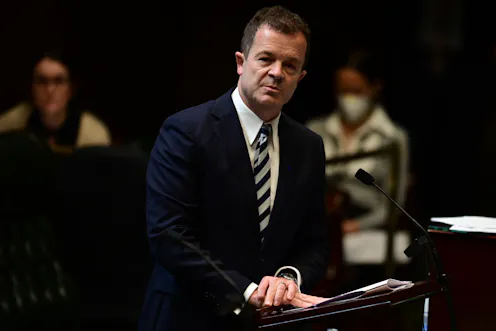
While the latest changes to defamation laws are a step in the right direction, much more could be done to improve them for the benefit of the public.

The NSW Court of Appeal’s Dylan Voller decision means the media may be liable for the hurtful things users write on social pages. This will have many media companies in a panic.
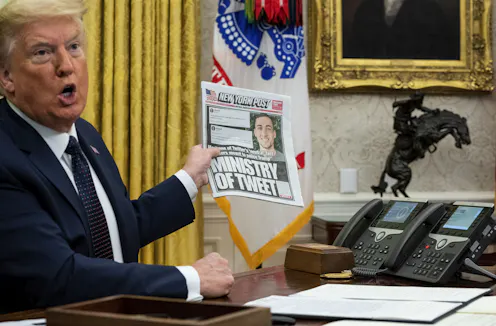
Trump’s recent executive order may limit section 230 of the Communications Decency Act - the ‘bedrock of the internet’. What does that mean for Australia?

Two legal experts in Western Australia shed some light on what the new coronavirus rules might mean for residents of their state.

Media freedom is good, but absolute media freedom could lead to a nastier, more brutish public discourse.

Defamation law reform is on the horizon. Social media companies may be held more liable for what they publish. But this could come at the expense of everyday users.

Journalists are not happy about a decision of the Supreme Court of New South Wales finding that media companies could be liable for defamatory comments made under news stories on their Facebook pages.

When the media genuinely behave badly, this should be called out by politicians. But doing so through the courts is not a good idea, nor conducive to democracy.

Google has lost a High Court appeal in defamation litigation brought by Michael Trkulja. It is time to consider that extending “safe harbour” to Google may be a good idea.

Writing a negative online review can have serious consequences, so you need to be careful about how, and what, you write.

Rebel Wilson’s large damages award for defamation is a salutary lesson that defaming a celebrity with an international profile can lead to a substantial payout for the economic harm done.
Technology’s burgeoning possibilities have put pressure on our law courts when it comes to the principle of ‘open justice’.

The debate about the right to be forgotten might be characterised as a showdown: privacy and compassion versus information and freedom. But its solution need not be that simplistic.
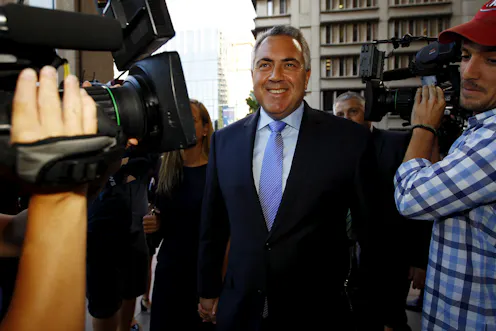
The elephant in the room in the just-concluded defamation case between Joe Hockey and Fairfax Media was the actual story being attacked. Media organisations ought to be able to instigate the debate without fear of reprisals by litigious politicians.
Contact Michael for
- General
- Media request
- Speaking request
- Consulting / Advising
- Research collaboration
- Research supervision
- Location: Perth
- Website
- X (formerly Twitter): @MikeCDouglas
- Article Feed
- ORCID
- Joined
