
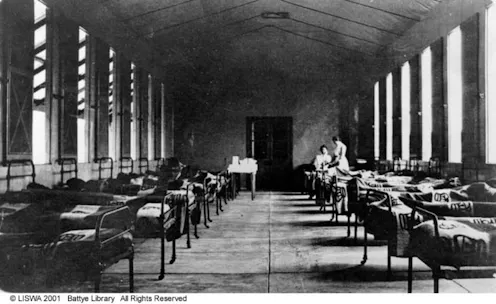
The lock hospitals inflicted incalculable traumas on Aboriginal people, wrenching them away from families and country.
- Independent journalist and health writer; Adjunct Senior Lecturer, Sydney School of Public Health, University of Sydney; Founder of Croakey.org. PhD candidate, University of Canberra

Hundreds of Aboriginal people were incarcerated on Dorre and Bernier islands for “venereal disease” between 1908 and 1919. The lock hospitals were penal rather than therapeutic institutions.

It’s a story that wouldn’t normally make the headlines. A middle-aged man in a central Queensland town found himself stacking on a lot of weight unusually quickly. His blood pressure was on the rise, and…
Contact Melissa for
- General
- Media request
- Speaking request
- Consulting / Advising
- Research collaboration
- Research supervision
What is this? Become a friend.
- Location: Sydney, Australia
- Website
- Article Feed
- Joined
