
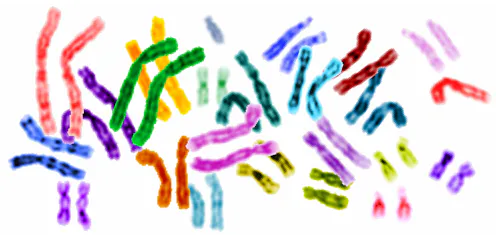
Two decades after the ‘full’ human genetic code was released to global fanfare, researchers have finally filled in the blanks that made up 8% of the sequence, thanks to recent advances in genome sequencing.
- Chair Precision Medicine, Monash University
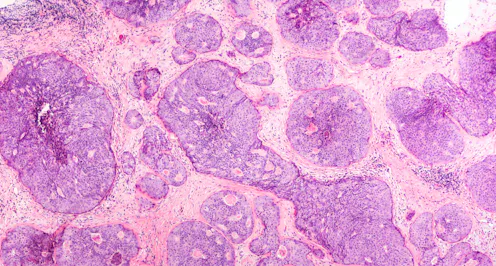
A landmark analysis of the genetic sequences of hundreds of different cancers offers crucial insights into the origins and growth of the disease’s myriad forms.

Research published in the journal Nature overnight describes the mutations that make cancer cells grow faster than ordinary cells. These “mutational signatures” don’t just open up avenues for better cancer…
For many decades humans have pursued work to characterise the human genome. Today, publicly available references to genome sequences are available and have been instrumental in effecting recent advances…

You’ve probably heard of BRCA1 and BRCA2 – the genes that, when mutated, markedly increase the risk of developing breast cancer. We’ve also known for a while that a handful of other genes also increase…
Contact Melissa for
- General
- Media request
- Speaking request
- Consulting / Advising
- Research collaboration
- Research supervision
- Location: Melbourne, Australia
- Website
- Article Feed
- ORCID
- Joined
