
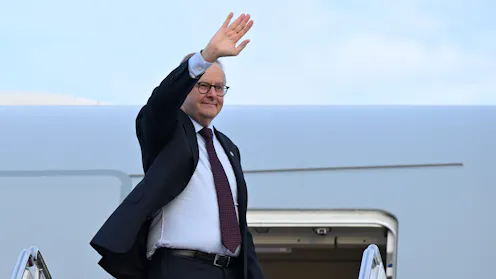
Despite a complicated history between Australia and Timor-Leste, there appears to be plenty of goodwill as Anthony Albanese visits the new democratic nation.
- Honorary Fellow, Asia Institute, The University of Melbourne
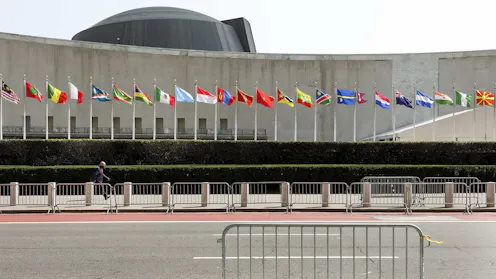
Multilateralism without the US has its limitations, but it still holds the potential for tangible, incremental progress on global challenges.
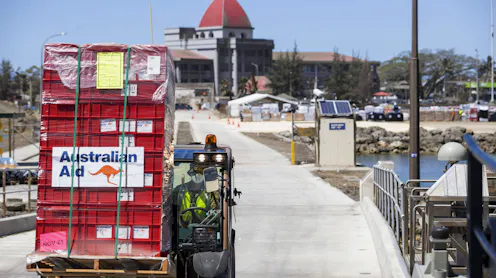
Three-quarters of Australia’s foreign assistance budget is flowing to the Indo-Pacific, showing a commitment to remaining a reliable partner as USAID cuts bite.
Both major parties have an opportunity to clearly state they will preserve and even increase Australia’s overseas aid budget, after cuts by London and Washington.
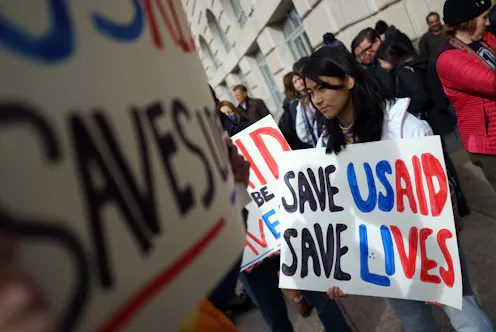
A$95 billion worth of USAID programs have been brought to a screeching halt. It’s a devastating decision for developing nations, but also for US foreign policy.
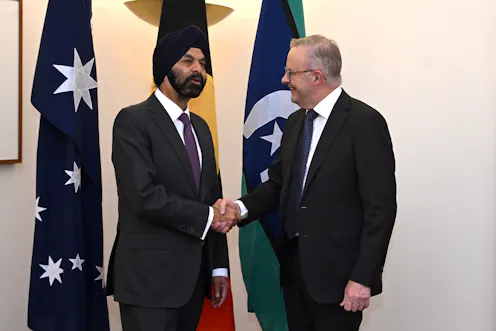
World Bank president Ajay Banga is in Australia to secure funding for sustainable economic development and critical infrastructure in the world’s poorest nations.
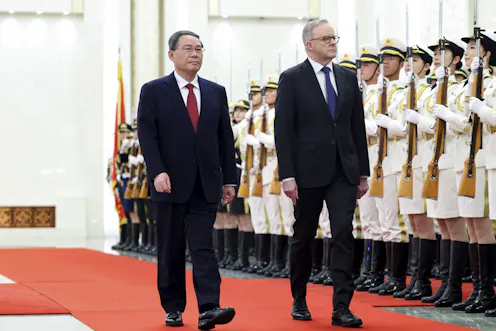
The visit by Premier Li Qiang is more of a diplomatic and business meeting that signals the continuing thaw between the countries, and is unlikely to spur any major announcements.
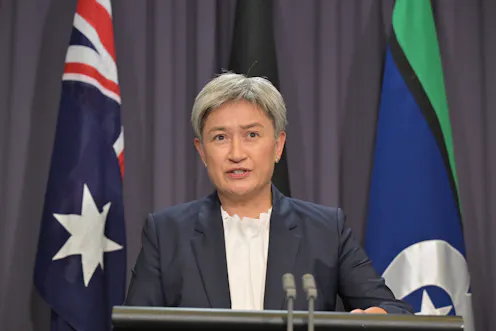
A new emphasis on involving a wider range of society and the economy in foreign affairs is taking hold.
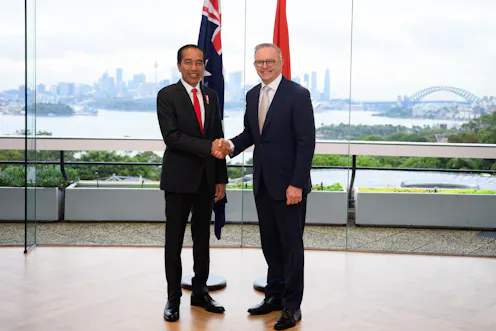
A new strategy aims to overcome Australian businesses’ reluctance to engage more in Southeast Asia.
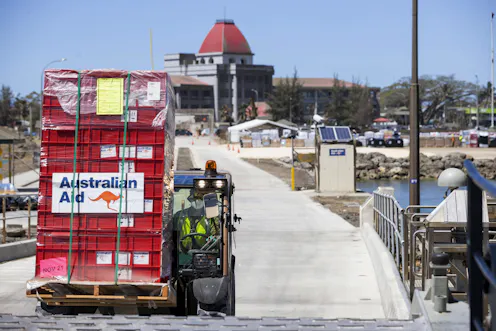
The federal government’s long awaited new aid and development policy offers a clear and galvanising vision of how Australia should deal with the complex issue.
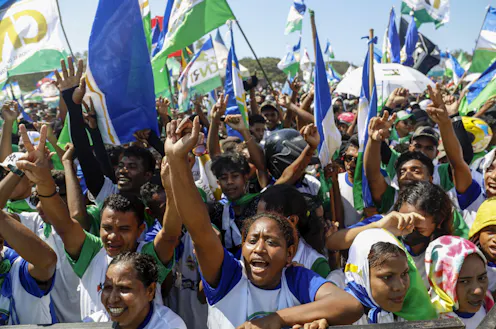
There are several ways Australia can support its northern neighbour, to the benefit of both countries.
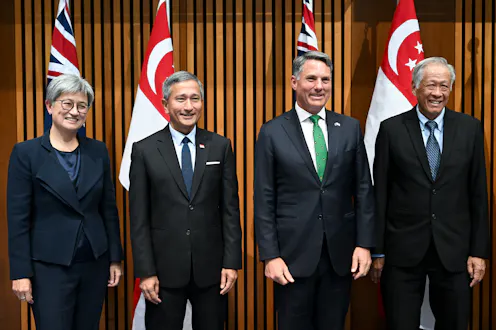
The budget increases funding for the Department of Foreign Affairs and Trade by over $450 million, in what’s a positive first step towards remedying our long-term reduction in diplomatic resources.
For Australia to be taken seriously, it needs to show up whenever possible.
In the Global South, opinions on the Ukraine war are mixed. One main reason for this: developing countries have more pressing issues to deal with.
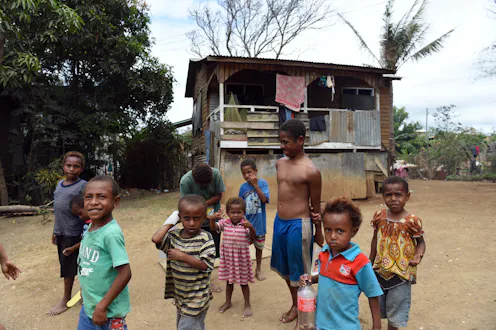
The latest budget shows we’re starting to cement the view that an adequate development budget is non-negotiable if Australia wants to have influence in the region.
The new government’s focus on international engagement has allowed Australia to reset important relationships abroad.
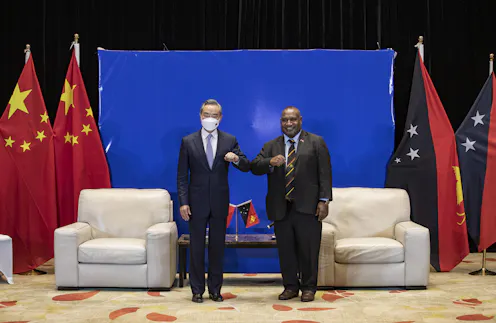
Australians should accept that Pacific island countries will engage with other countries, and instead recognise the gaps in our defence, development and diplomatic relationships with the region.
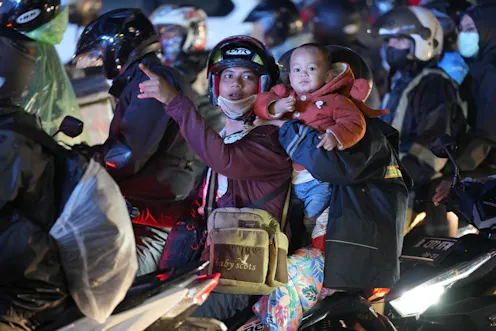
There is a big opportunity for Australia to help Southeast Asia meet its energy needs. But time is running out.
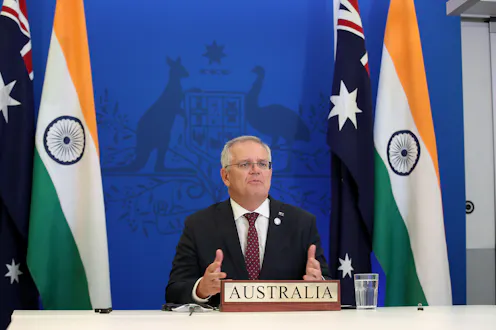
Reduced funding for the Department of Foreign Affairs and Trade makes no sense if you understand what diplomacy can do.
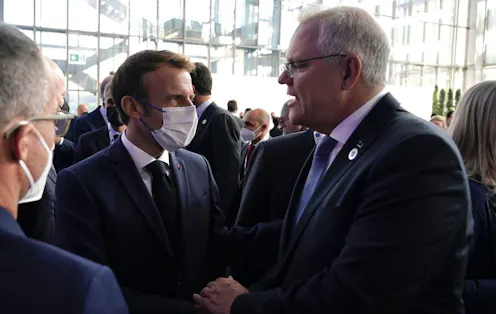
Post Macron and Morrison, what exactly is diplomacy and why is it in decline?

When it comes to the study of international relations and power, Australian scholar Coral Bell was a superstar.
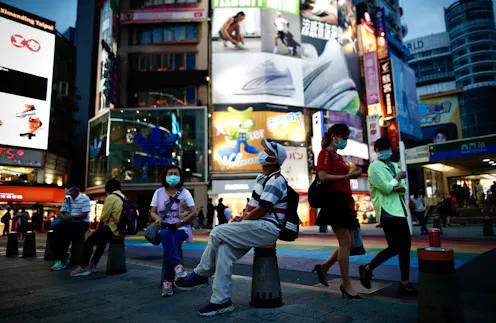
A new survey of Taiwanese and Australian citizens has revealed some surprising results about their views on security and China.

Does it matter where COVID came from? In the ongoing war of words between the US and China, the answer is a resounding ‘yes’.

International students have been admirably persistent in studying online for more than a year. But as other countries open their doors, Australia risks losing them if it fails to show they are wanted.
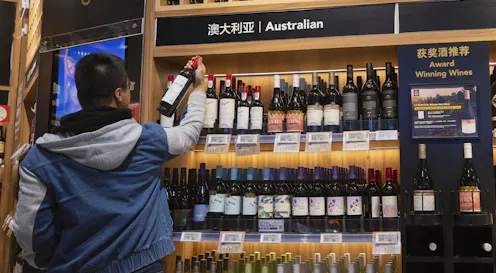
China’s import restrictions hurt Australia, but they also hurt China. In more ways than one.
Contact Melissa for
- General
- Media request
- Speaking request
- Consulting / Advising
- Location: Melbourne
- Website
- X (formerly Twitter): @MConleytyler
- Article Feed
- ORCID
- Joined
